

Okay, let’s set the scene. Imagine you’re at the airport, and suddenly a massive, sleek aircraft rolls up to the tarmac. It’s not your average plane; it’s the latest and greatest from a rival nation, designed with cutting-edge technology and a reputation for being a real game-changer in the skies. Now, here’s the kicker: to counter this single aircraft, four different warplanes are brought into the mix. Sounds a bit extreme, right? But in the world of military aviation, it’s all about having the right tools for the job.
The Challenger: Meet the Enemy
First, let’s talk about this notorious enemy aircraft. It’s often referred to in military circles as a “fifth-generation fighter.” Think of it as the sleek sports car of the skies, boasting stealth capabilities, advanced avionics, and the kind of speed that makes your morning coffee feel like it’s moving in slow motion. Countries invest billions into developing these high-tech marvels, making them incredibly challenging to detect and even harder to outmaneuver.
Now, when one of these bad boys enters the fray, you’d better believe that military strategists are scrambling to come up with a plan. Enter the four warplanes, each uniquely equipped to tackle this aerial behemoth. It’s like assembling the Avengers, but for aviation!
The F-22 Raptor: The Stealthy Predator
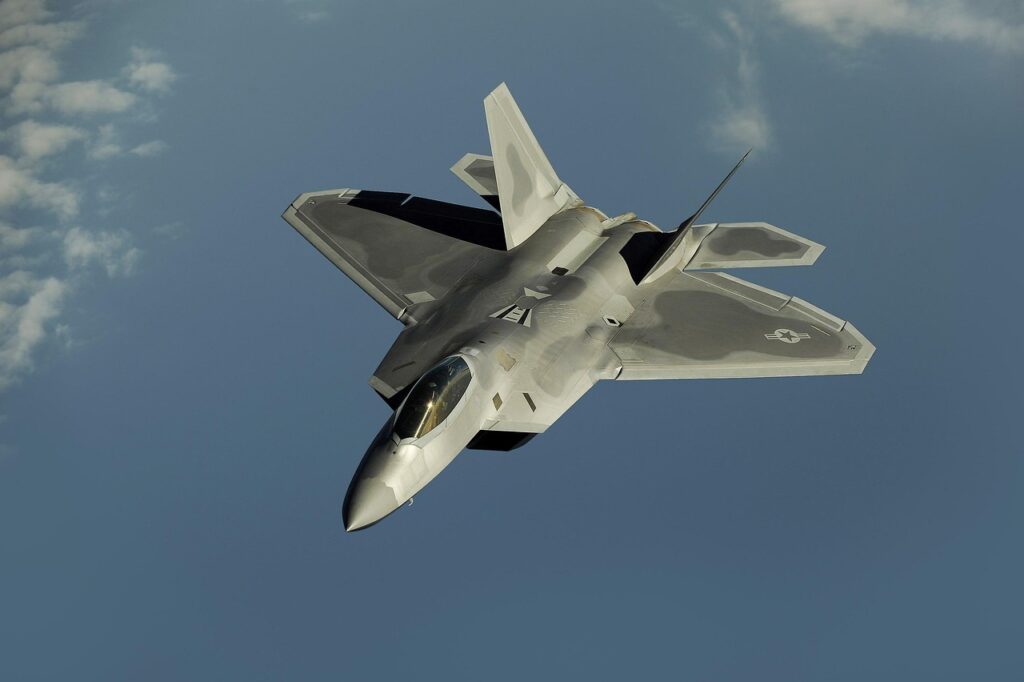
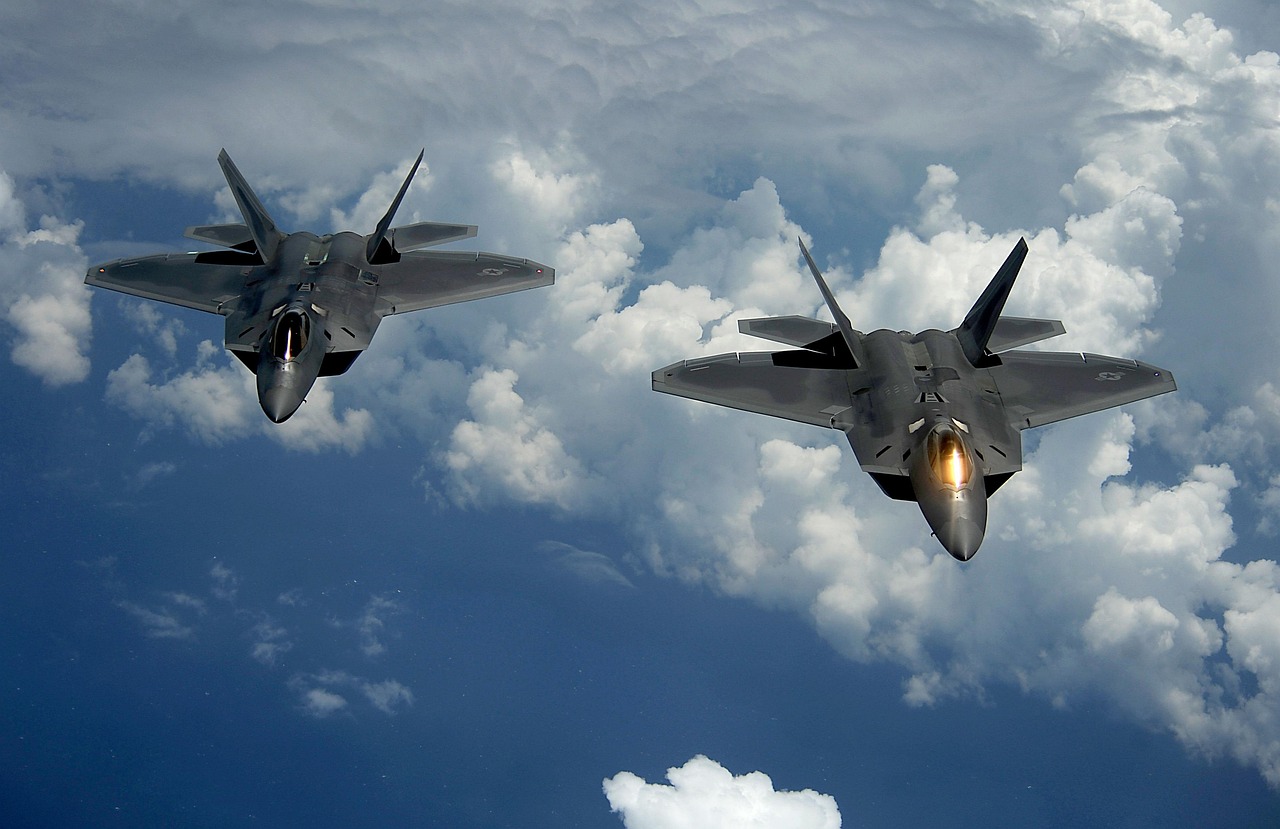
First up, we’ve got the F-22 Raptor. This fighter jet is the poster child of stealth technology. It’s designed to sneak into enemy territory without being seen, like that one friend who always manages to ghost you before dinner. With its supercruise capability, the Raptor can fly at high speeds without using afterburners, which means it can sneak up on the enemy while saving fuel. Talk about eco-friendly warfare!
But it’s not just about stealth; the F-22 is armed to the teeth. It carries air-to-air missiles and has advanced radar systems that make it a formidable opponent. If anyone’s going to take on the enemy aircraft head-on, it’s this sleek predator. Just picture it gliding through the clouds, a silent sentinel ready for action.
The F-35 Lightning II: The Multi-Role Marvel
Next, we have the F-35 Lightning II, which is like the Swiss Army knife of fighter jets. It’s got versatility written all over it. Whether it’s air-to-air combat, ground support, or intelligence gathering, this aircraft can do it all. It even has a vertical takeoff and landing (VTOL) feature, which means it can operate from shorter runways or even aircraft carriers. It’s the ultimate multitasker!
The F-35 also comes with advanced sensors and networking capabilities that allow it to share information with other aircraft and ground units. Imagine having a buddy who always keeps you in the loop, except this buddy can fly. This jet’s ability to operate as part of a larger network makes it an invaluable asset in countering our elusive enemy aircraft.
The Eurofighter Typhoon: The Agile Ace
Now, let’s not forget about the Eurofighter Typhoon, a European powerhouse that’s all about agility and maneuverability. Picture a ballet dancer in the sky—graceful yet powerful. This fighter is designed for high-speed dogfights, with a thrust-vectoring engine that allows it to perform crazy aerial maneuvers. If the enemy aircraft tries to pull a fast one, the Typhoon is ready to twist and turn like a pro.
Plus, the Typhoon is equipped with a mix of weapons, including advanced air-to-air missiles. It’s like bringing a well-rounded player to a sports team—definitely not just a one-trick pony. When it comes to engaging the enemy, you want the Typhoon swooping in with style and precision.
The Su-57: The Russian Contender
Last but certainly not least, we have the Su-57, Russia’s answer to the fifth-generation fighter jet challenge. This aircraft is designed for air superiority and ground attack, and it’s got some serious tricks up its sleeve. With stealth features and supermaneuverability, the Su-57 can evade radar detection and engage enemies from unexpected angles. It’s like playing chess while everyone else is playing checkers.
What sets the Su-57 apart is its combination of speed, agility, and advanced avionics. If you thought the other jets were impressive, the Su-57 takes it up a notch. It’s got that “don’t mess with me” vibe, and you can almost hear it revving its engines as it prepares to take on the competition.
Why Four Jets for One? A Strategic Choice
So, why deploy four different warplanes against a single enemy aircraft? Well, it’s all about strategy and adaptability. Each of these jets brings unique abilities to the table, allowing military forces to tackle any situation that arises. It’s like having a toolbox filled with specialized tools—each designed for a different job. One jet might excel at long-range detection, another at electronic warfare, another at raw firepower, and another at agility and interception. By deploying multiple aircraft with complementary strengths, commanders ensure redundancy, flexibility, and a higher chance of success, even if the situation suddenly changes. In modern aerial combat, versatility is often more decisive than relying on a single, do-it-all aircraft.