

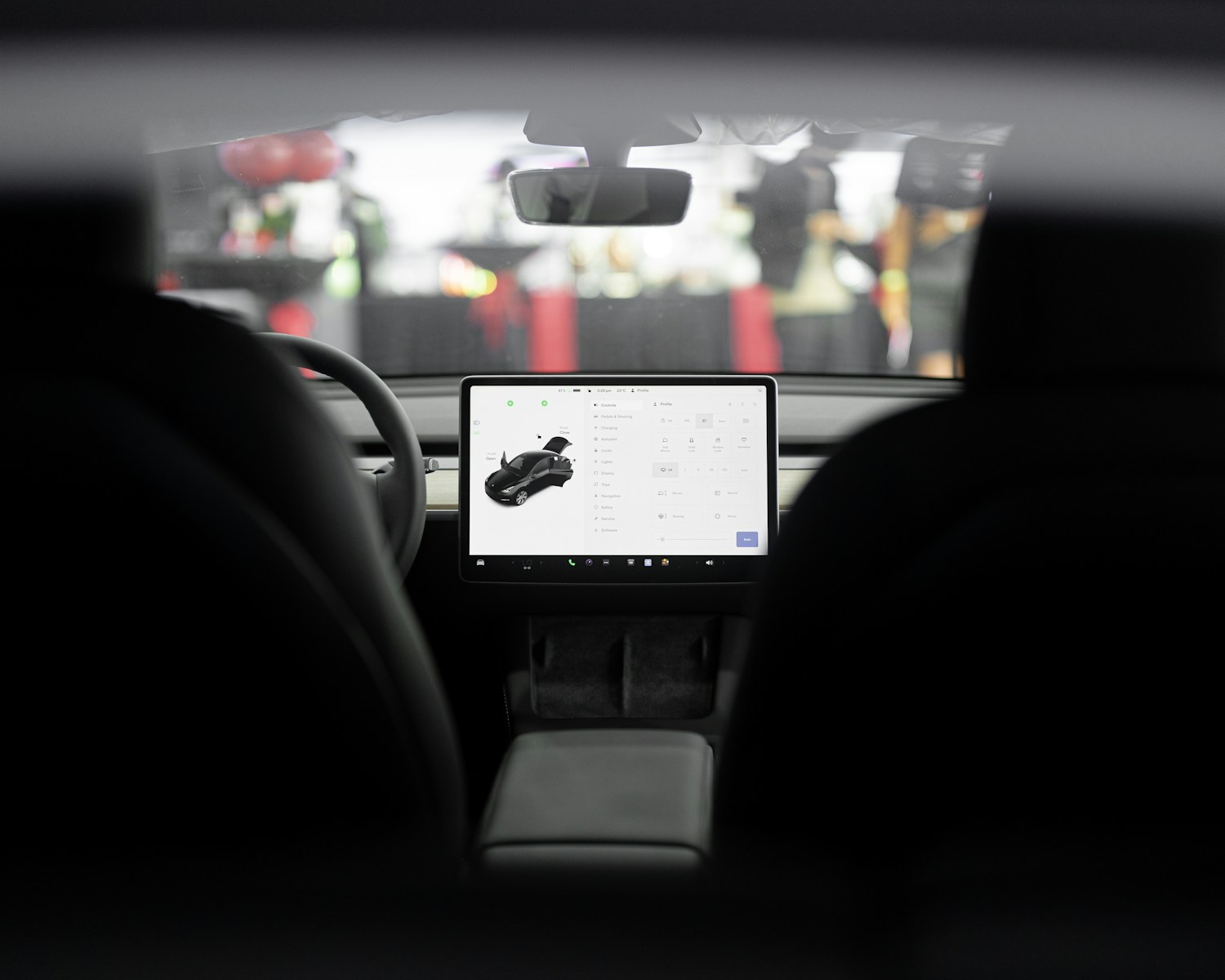
As the automotive industry continues to evolve, artificial intelligence (AI) is set to play a pivotal role in reshaping vehicles by 2026, impacting drivers and manufacturers alike. With advancements in technology, AI will enhance safety, improve driving experience, and optimize vehicle performance. This transformation is crucial not only for the automotive market but also for consumers who are increasingly reliant on tech-integrated vehicles.
1. Enhanced Driver Assistance Systems
By 2026, we can expect significant improvements in Driver Assistance Systems (ADAS) powered by AI. These systems, which currently include features like adaptive cruise control and lane-keeping assistance, will evolve to become more intuitive and responsive. For instance, the 2026 Tesla Model S is projected to incorporate advanced AI algorithms that can predict and react to driver behavior, offering a more seamless driving experience.
According to a report by the Automotive Research Institute, the global market for ADAS is expected to reach $83 billion by 2026, up from $27 billion in 2021. This growth highlights the increasing demand for safety features and the role AI will play in making driving safer and more efficient.
2. Predictive Maintenance
Another significant way AI will enter vehicles by 2026 is through predictive maintenance systems. These systems will analyze real-time data from various vehicle sensors to identify potential issues before they lead to breakdowns. For example, the upcoming 2026 Ford F-150 could utilize AI-driven diagnostics to alert drivers of necessary maintenance, such as oil changes or brake replacements, well in advance.
The predictive maintenance market is projected to grow at a compound annual growth rate of 25% between 2022 and 2026, as manufacturers increasingly recognize the benefits of proactive maintenance. By preventing unexpected failures, AI can save consumers both time and money, making vehicle ownership more convenient.
3. Personalized In-Car Experience
AI will also revolutionize the in-car experience by providing personalized settings and recommendations tailored to individual drivers. By 2026, vehicles will likely feature AI systems that learn from user preferences, adjusting seat positions, climate controls, and even entertainment options automatically. The 2026 Audi A6 is expected to include such functionality, creating a more comfortable and engaging driving environment.
Market research indicates that 75% of consumers are interested in personalized features in their vehicles, highlighting a growing demand for customization. As AI algorithms improve, the ability to create a unique driving experience will become a standard expectation rather than a luxury.
4. Autonomous Driving Capabilities
While fully autonomous vehicles may still be a few years away, significant strides are expected in semi-autonomous driving capabilities by 2026. Companies like Waymo and Cruise are actively developing AI technologies that enable cars to navigate complex environments with minimal human intervention. The 2026 Hyundai Ioniq, for example, is anticipated to offer advanced self-driving features that utilize AI to interpret real-time traffic data and make decisions on the road.
The autonomous vehicle market is projected to be worth $557 billion by 2026, driven by advancements in AI technology. As these capabilities become more reliable, consumers will gain confidence in the safety and efficiency of self-driving cars, potentially transforming urban transportation systems.
Conclusion: The Urgency for Awareness
The integration of artificial intelligence into vehicles by 2026 is not just a technological advancement; it represents a fundamental shift in how we interact with our cars. From enhanced safety features to personalized driving experiences, the implications for consumers and manufacturers are profound. As these changes unfold, it is vital for drivers to stay informed about the evolving landscape of automotive technology.
With the automotive industry rapidly advancing, consumers should begin preparing for the future of driving. Understanding these developments will not only help in making informed purchasing decisions but also ensure that drivers can fully utilize the benefits offered by AI in their vehicles. Stay updated on these changes to be ready for the next generation of cars.