

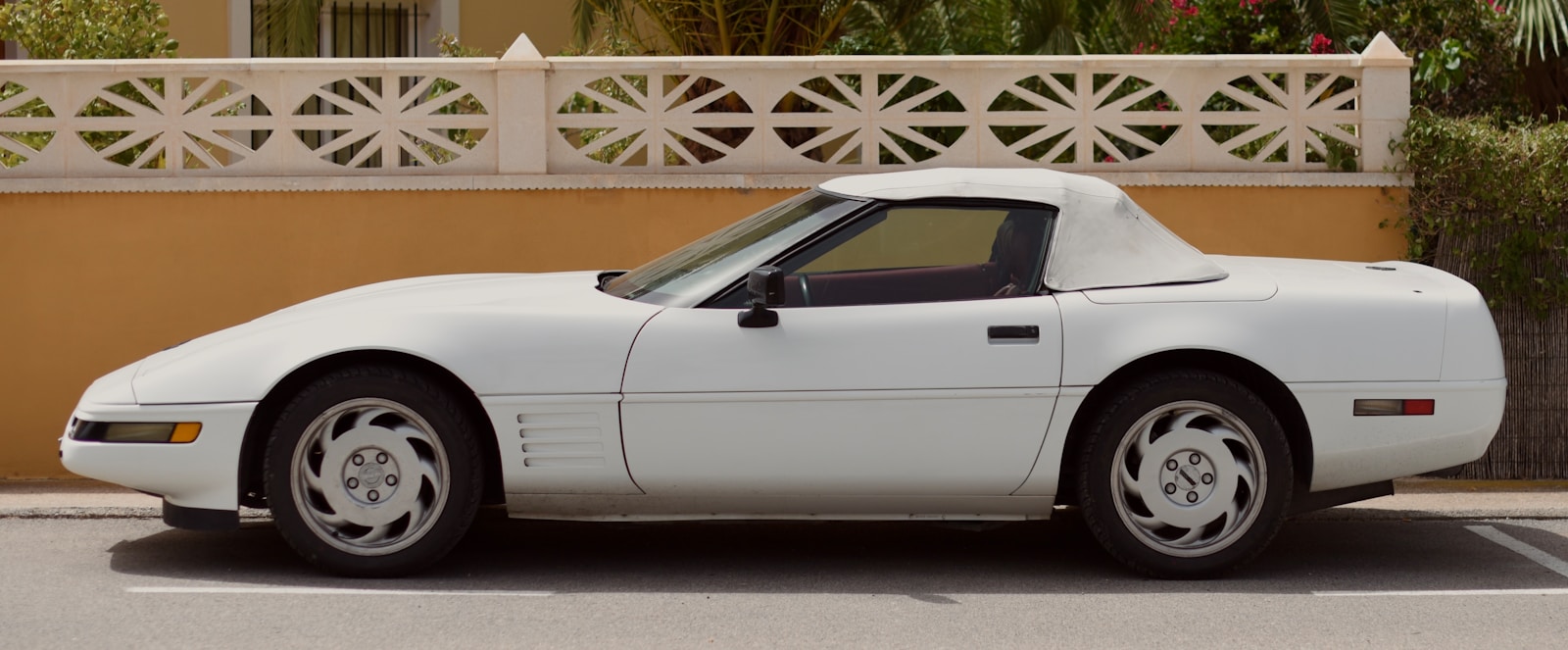
While American automotive design has produced some of the most iconic vehicles in history, not all of these cars have delivered on performance and drivability. Enthusiasts and casual drivers alike have found themselves enamored by stunning designs that ultimately fell short on the road. Here are five American cars that looked better than they drove, highlighting the gap between aesthetics and performance.
1. Chevrolet Corvette C4 (1984-1996)
The Chevrolet Corvette C4 is often praised for its futuristic design that turned heads throughout the late ’80s and early ’90s. However, despite its striking appearance, the C4 struggled with performance issues that disappointed many enthusiasts. The initial 5.7-liter V8 engine offered just 205 horsepower, which was underwhelming when compared to its aggressive styling. Many buyers expected a sports car experience, but were met with a clunky ride and lackluster handling that didn’t match the car’s bold looks.
2. Chrysler PT Cruiser (2000-2010)
With its retro-inspired design, the Chrysler PT Cruiser quickly became a favorite for those who valued aesthetics over performance. Its unique look attracted a diverse range of buyers but was let down by a rather underpowered 2.4-liter inline-four engine, which produced only 150 horsepower. The car’s high center of gravity made it prone to body roll, leading to a driving experience that was less engaging than its stylish exterior suggested. Despite selling over 1.3 million units, many owners reported dissatisfaction with its driving dynamics.
3. Ford Mustang II (1974-1978)
The Ford Mustang II was introduced during an era of fuel crises and tighter emissions regulations, resulting in a significant departure from its muscle car roots. While the design retained some classic Mustang elements, the performance was anything but exhilarating. With a standard 2.3-liter four-cylinder engine producing just 88 horsepower, the Mustang II lacked the power and thrill that enthusiasts expected. Though it was a visually appealing car, many found it underwhelming on the road, leading to a tarnished reputation for the iconic nameplate.
4. Pontiac Aztek (2001-2005)
The Pontiac Aztek is often cited as one of the most polarizing vehicles in automotive history due to its unconventional design. While it aimed to combine the utility of an SUV with the aesthetics of a sporty crossover, the driving experience failed to live up to the expectations set by its unique appearance. The standard 3.4-liter V6 engine produced only 185 horsepower, making it sluggish in acceleration. Furthermore, the interior quality and handling received mixed reviews, leading to a decline in popularity despite its bold look and practical features.
5. Dodge Dart (2013-2016)
The Dodge Dart made a splash with its sleek design and aggressive stance, appealing to a younger demographic. However, the car’s performance did not match its sporty appearance. The base engine, a 2.0-liter four-cylinder, only produced 160 horsepower, while the turbocharged 1.4-liter engine offered a slightly better output but still struggled with responsiveness. Many reviewers noted that the Dart’s handling was less engaging than competitors in the compact segment, resulting in lackluster driving experiences that disappointed many buyers.
Conclusion
These five American cars serve as reminders of the disconnect that can exist between design and performance in the automotive world. While each model presented an eye-catching exterior, they ultimately fell short in delivering a satisfying driving experience. As consumers become increasingly discerning, it’s essential to consider not just the looks but also the performance and reliability of a vehicle. Buyers should conduct thorough research and test drives to ensure they aren’t seduced solely by aesthetics.
For those contemplating a new vehicle, understanding the disparity between looks and performance is crucial. Don’t let a car’s exterior blind you to its driving capabilities—take the time to explore reviews, perform test drives, and make informed choices. The road ahead is filled with options, but ensuring that both style and substance align will lead to a more rewarding driving experience.