

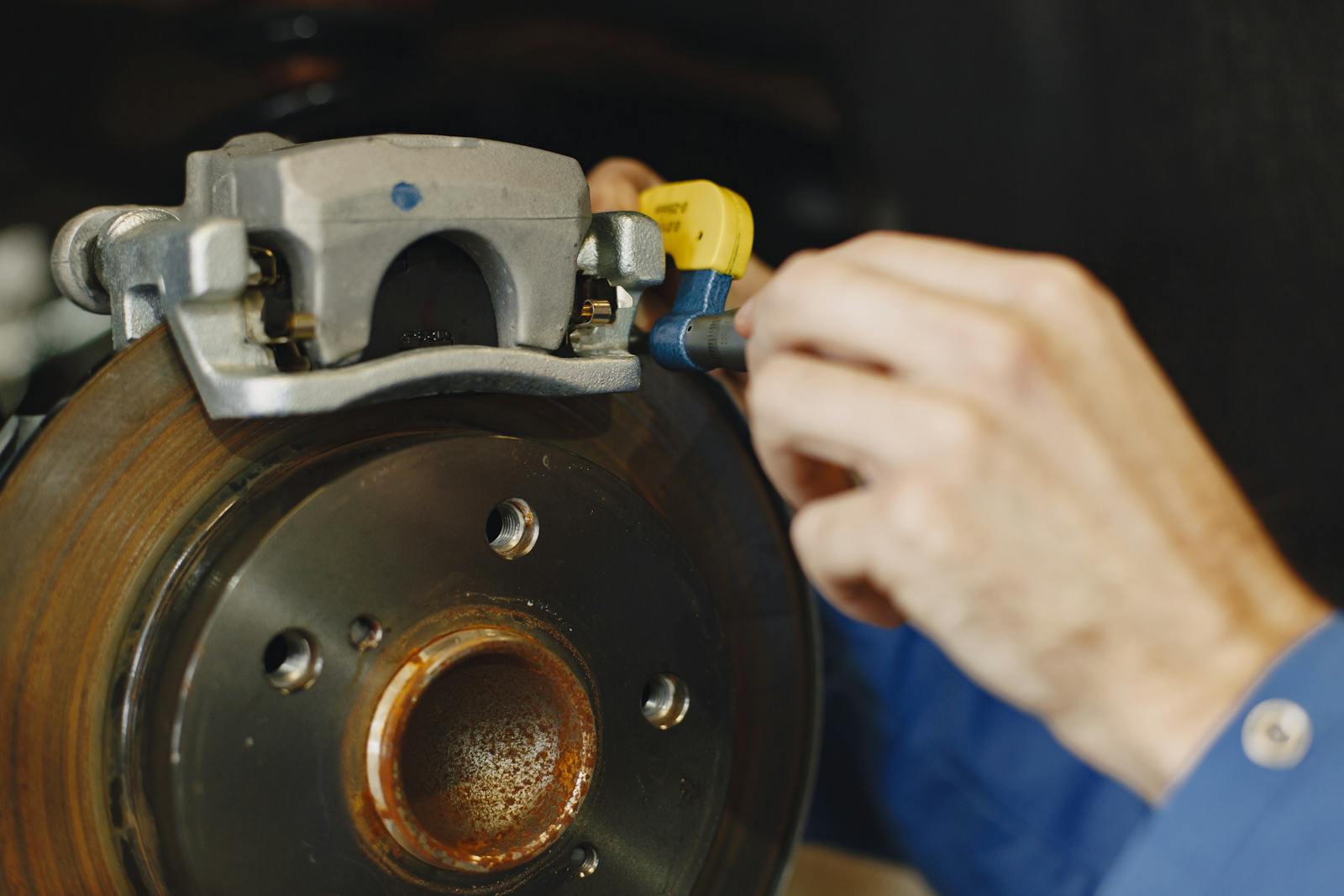
So, you think your car’s brakes are invincible? Well, think again! Even the toughest components can wear out faster than you’d expect, leading to some unexpected surprises—like that heart-stopping moment when you realize you’re not stopping as quickly as you’d like. Mechanics are often the unsung heroes of car maintenance, and they’ve got some insider tips about those brake parts that just don’t last as long as we hope. Let’s chat about the five brake components that might surprise you with their short lifespan.
1. Brake Pads
First up, the classic brake pads. You might think they’re the most straightforward part of your braking system, but they’re also the most commonly replaced. Depending on your driving style and the materials used, brake pads can wear out in as little as 25,000 miles, or they might hang in there for up to 70,000 miles. If you’re the type who loves to ride the brake or frequently makes those “I need to stop NOW!” moments, well, your brake pads might be waving the white flag sooner than later.
And let’s not forget the pesky dust that can accumulate. If you hear squeaking or grinding sounds, it’s not just your car’s way of saying “hello.” It’s time to get those pads checked. Trust me, your car will thank you!
2. Brake Rotors
Next on the list are brake rotors. These bad boys are the unsung champions of your braking system but can wear down faster than you’d think. Usually, rotors can last anywhere from 30,000 to 70,000 miles, but they’re often at the mercy of your driving habits. If you’re doing a lot of stop-and-go driving or heavy braking, don’t be surprised if they start warping or developing grooves sooner than expected.
Mechanics recommend checking your rotors every time you change your brake pads. It’s a good idea to keep an eye out for any signs of damage. Because who wants to be the person trying to stop at a red light and realizing their brakes are about as effective as a wet noodle?
3. Brake Lines
Here’s where it gets a little less obvious: brake lines. Yep, those tubes that carry brake fluid are often overlooked, but they can wear out surprisingly fast. Depending on the material and exposure to elements, brake lines can corrode or develop leaks, especially if you’re driving in areas with lots of salt or moisture. Nobody wants to find out their brake lines are shot during a sudden stop!
It’s a good idea to inspect your brake lines periodically for any bulges, cracks, or signs of rust. If they’re looking worse for wear, it might be time for a replacement. Better safe than sorry, right? You wouldn’t want your brakes to fail when you’re just trying to grab a coffee.
4. Brake Fluid
Now, let’s talk brake fluid. This magical liquid is essential for creating hydraulic pressure, which helps you stop on a dime. But here’s the kicker: brake fluid can absorb moisture over time, leading to decreased performance and even corrosion. It’s not something you probably think about often, but it’s crucial to keep an eye on your brake fluid levels.
Most mechanics suggest changing brake fluid every couple of years. It’s a quick and relatively inexpensive way to keep your braking system in tip-top shape. And hey, if you’re feeling adventurous, you can always check it yourself! Just remember, if your fluid looks brown and murky instead of a nice, clear color, it’s time to get it changed.
5. Brake Shoes
Finally, let’s not forget about brake shoes, especially if you drive a vehicle with drum brakes. These little guys can wear out faster than you’d expect, especially if you’re driving with a heavy load or doing a lot of city driving. They typically last between 30,000 and 50,000 miles, but if you’re not paying attention, you could be in for a rude awakening.
When your brake shoes begin to fail, you might notice a grinding noise or a feeling of your brakes slipping. If that happens, it’s best to get them checked out ASAP. Nobody wants to be the person coasting through an intersection because their brakes decided to take a vacation!
Wrapping It Up
So there you have it! From brake pads to brake shoes, these components can wear out faster than you might think. Regular maintenance and checks can save you from some serious brake drama down the road. Plus, staying on top of your brake health not only keeps you safe but also saves you money in the long run.
Next time you’re at the mechanic, don’t forget to ask about these wear-and-tear culprits. After all, your brakes are what keep you safe on the road, and who wouldn’t want to give them a little extra love? Happy driving!