

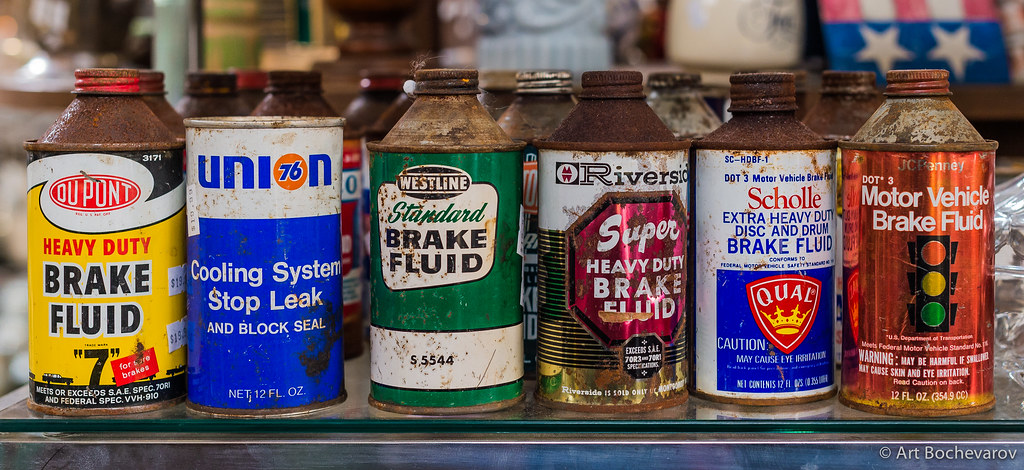
In an era where racing and high-performance vehicles push the limits of engineering, choosing the right brake fluid is crucial. Drivers and racing enthusiasts often find themselves facing brake failure due to fluid boiling under extreme conditions. This article highlights five high-performance brake fluids that can withstand intense heat, ensuring safety and reliability, particularly for those hitting the track in vehicles like the 2020–2022 Chevrolet Corvette and the 2021 Ford Mustang GT.
Understanding Brake Fluid Boiling Points
The boiling point of brake fluid is paramount for vehicle performance, especially in racing scenarios. Standard brake fluids typically have a boiling point of around 400°F (204°C), which can be inadequate when racing or driving aggressively. When brake fluid reaches its boiling point, it vaporizes, leading to brake fade—a potentially dangerous situation that can compromise safety. High-performance brake fluids offer significantly higher boiling points and improved resistance to moisture absorption, making them preferable for demanding conditions.
1. Motul RBF 600
Motul RBF 600 is a racing brake fluid known for its impressive boiling point of 594°F (312°C). This synthetic fluid is designed for motorsport use, providing excellent performance in high-pressure situations. Its low viscosity enhances pedal feel, allowing for precise braking control. The fluid also has a high wet boiling point of 420°F (216°C), making it suitable for both track and street use, especially for those driving vehicles like the 2021 Subaru WRX STI.
2. Castrol SRF
Castrol SRF is another top choice for racers, boasting a dry boiling point of 590°F (310°C) and a wet boiling point of 518°F (270°C). This fluid is engineered with a formula that offers exceptional performance and stability under extreme conditions. Many professional racing teams trust Castrol SRF for its ability to maintain brake performance throughout a race, ensuring that drivers can push their vehicles to the limit without fear of brake failure. It’s an ideal option for high-performance cars like the 2020 Porsche 911 Carrera.
3. AP Racing R4
AP Racing R4 brake fluid features a dry boiling point of 590°F (310°C) and a wet boiling point of 400°F (204°C). This fluid is designed to meet the demands of motorsport applications, providing superior performance in high-heat situations. The unique formulation minimizes vapor lock, ensuring that drivers maintain optimal braking performance even during prolonged high-stress scenarios. Vehicles like the 2022 BMW M3 can greatly benefit from using AP Racing R4 for enhanced brake reliability.
4. Brembo LCF 600 Plus
Brembo LCF 600 Plus is a brake fluid with a dry boiling point of 600°F (316°C) and a wet boiling point of 420°F (216°C). This fluid is formulated to resist moisture absorption and is ideal for racing and high-performance road use. Its high boiling point ensures that drivers maintain consistent brake performance, even during the toughest conditions. Owners of vehicles like the 2021 Audi RS5 can trust Brembo LCF 600 Plus to keep their brakes responsive and reliable.
5. Liqui Moly Street Brake Fluid
Liqui Moly Street Brake Fluid provides a competitive dry boiling point of 500°F (260°C) and a wet boiling point of 365°F (185°C). While it may not reach the extremes of other racing fluids, it offers excellent performance for street and occasional track use. Its formulation is designed to deliver reliable braking performance and stability, making it a great option for vehicles like the 2020 Volkswagen Golf GTI. This fluid is particularly beneficial for drivers looking for a balance between performance and everyday usability.
Choosing the Right Brake Fluid
Selecting the appropriate brake fluid is essential for anyone looking to enhance their vehicle’s performance, particularly under the pressures of racing or spirited driving. When choosing a brake fluid, consider the vehicle’s application, driving style, and the specific demands of the environment. It’s critical to check the manufacturer’s recommendations and ensure compatibility with your vehicle’s braking system.
Regular Maintenance and Fluid Changes
Even the best brake fluids can degrade over time, especially when exposed to moisture and heat. Regular maintenance, including changing brake fluid every 1-2 years, is vital for maintaining optimal performance. Drivers should also monitor the condition of their brake fluid, looking for signs of contamination or moisture uptake, which can lower the boiling point and lead to brake failure.