

Modern cars are packed with equipment that sounds useful on the window sticker but quietly gathers dust once the novelty wears off. From safety backstops to once-cutting-edge tech, several features now sit idle while drivers lean on smartphones, roadside assistance, and personal devices. These five examples show how quickly “must‑have” options can become car features almost no one actually uses.
1) The Spare Tire
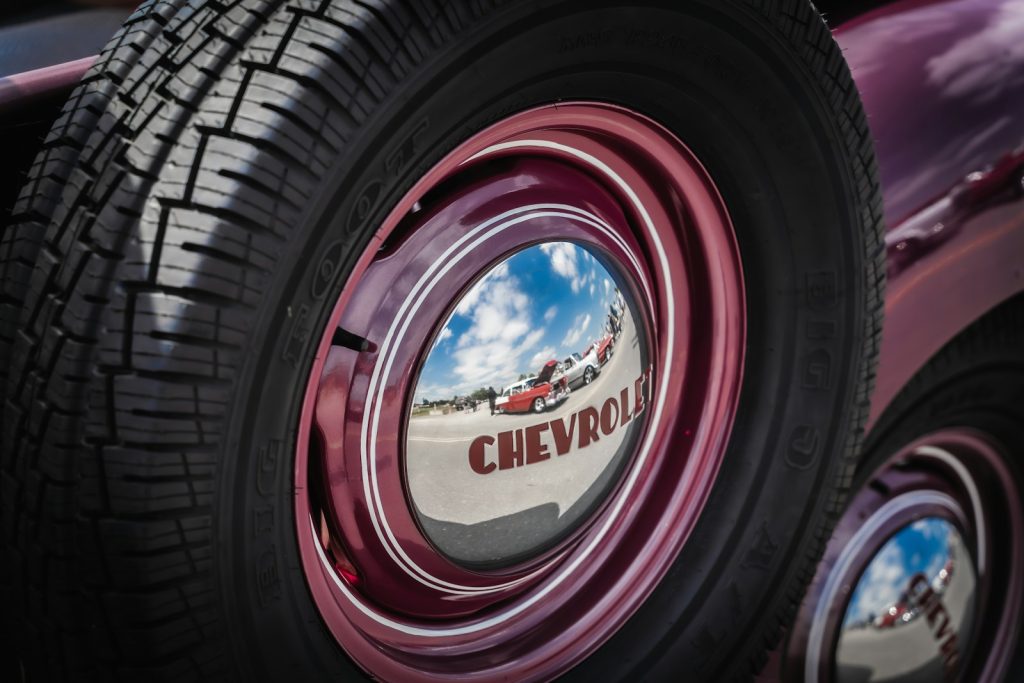
The spare tire is still treated as a basic expectation, yet many owners never touch it, relying instead on roadside assistance or aerosol sealants when trouble strikes. Compact “space-saver” spares are often buried under cargo floors, and deploying them requires a jack, wrench, and enough confidence to work at the roadside. One list of car features no one actually uses notes that drivers increasingly bypass hardware they do not fully understand in favor of a phone call.
At the same time, enthusiasts on forums arguing for a traditional Spare point out that many new vehicles delete the wheel entirely, replacing it with a repair kit that itself may never be opened. The result is a paradox, where buyers say they want the security of a spare but rarely practice using it or check its pressure. For automakers, that underuse becomes a packaging and cost dilemma, especially in small crossovers where every liter of cargo space is marketed hard.
2) The CD Player
The CD player has gone from premium upgrade to dashboard relic as streaming dominates in-car listening. Factory head units that still include a slot often sit untouched while drivers pair phones over Bluetooth or plug in via USB. A rundown of Car Features Almost No One Actually Uses groups legacy media hardware with other fading tech, noting that native apps and smartphone mirroring have displaced discs on daily commutes.
Even when a changer is available, playlists from Spotify or Apple Music are easier to update than burning new CDs, and navigation prompts integrate cleanly with streamed audio. That shift has made the CD mechanism a packaging liability, consuming space that could house storage cubbies or larger touchscreens. For buyers, the presence of a slot now signals an aging infotainment platform more than a luxury, which is why many newer models quietly drop optical drives altogether.
3) Power-Adjustable Pedals
Power-adjustable pedals promise fine-tuned ergonomics by moving the accelerator and brake toward or away from the driver at the touch of a button. In practice, most owners set them once during the first week and never revisit the controls. Lists of little-used convenience features consistently describe adjustable pedals as a “set-and-forget” item that fades into the background after initial experimentation.
Because modern seats already offer extensive fore-aft travel and height adjustment, drivers often achieve a comfortable position without touching the pedal switch. Shared vehicles with multiple regular drivers are the rare exception, yet even there, memory seat presets tend to handle the heavy lifting. For manufacturers, the low engagement rate raises questions about whether the motors, wiring, and dashboard buttons justify their cost when simpler mechanical layouts meet most needs.
4) Rear Entertainment System
The rear entertainment system, with its fold-down screens and DVD players, was once the ultimate family road-trip upgrade. Today, it is activated mainly on long vacations, while daily school runs and errands see the screens folded away. Analyses of family-focused tech point out that children now default to personal tablets and phones, which offer games and streaming apps that built-in systems struggle to match.
Even when parents spring for factory screens in minivans and three-row SUVs, juggling discs or proprietary remotes feels clumsy next to a single shared Netflix account. Independent guides such as Here and similar “pro tips” videos increasingly steer buyers toward USB charging ports and robust Wi‑Fi instead of fixed displays. That shift leaves many ceiling-mounted monitors as expensive, rarely used ornaments that add weight and complexity without delivering daily value.
5) Pontiac GTO Four-Speed Manual Transmission
The Pontiac GTO four-speed manual transmission illustrates how an underchosen option can become a collector’s prize. Reporting on Pontiac muscle car options almost no one ticked notes that performance-oriented gearboxes, including specific four-speed setups, were selected by almost no buyers when new. As a result, surviving cars equipped with these factory extras are now described as “ridiculously rare,” commanding outsized attention at auctions.
Contemporary discussions of the Options on later GTOs, such as a 6-speed manual transmission paired with major standard accessories like power windows, seats, and locks, show how transmission choice has long been a niche priority. Most original customers favored automatics for convenience, leaving only a thin slice of four-speed cars in circulation. For collectors and historians, that low take rate turns an almost unused order-sheet box into a key driver of value and rarity.
More from Wilder Media Group: