

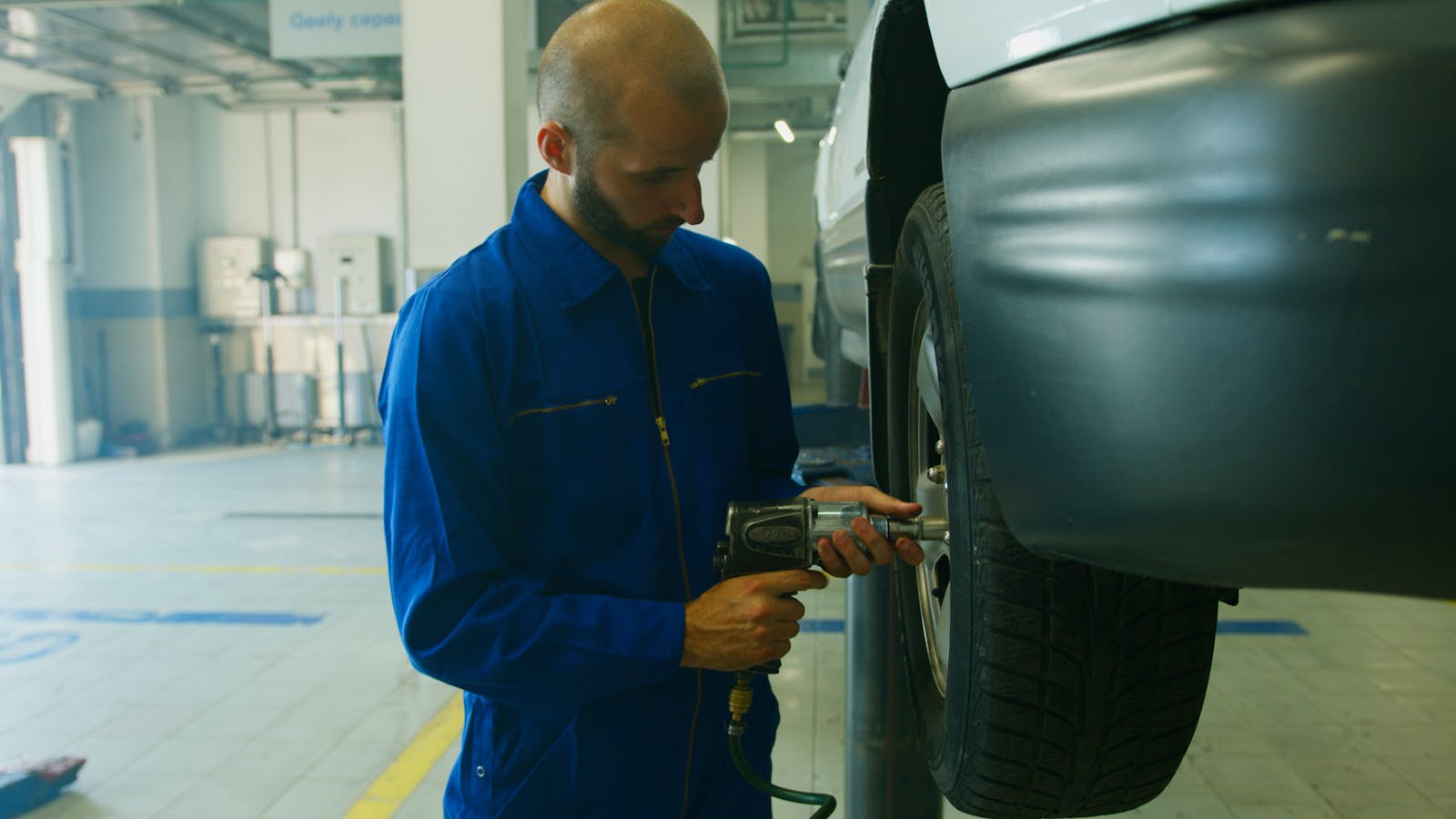
A recent survey of automotive mechanics reveals five popular car modifications that significantly compromise vehicle reliability, affecting thousands of car enthusiasts and everyday drivers alike. While customizing vehicles can enhance performance and aesthetics, these specific modifications often lead to mechanical failures, increased repair costs, and safety concerns. Understanding these pitfalls is crucial for car owners who wish to maintain their vehicles’ longevity and safety on the road.
1. Aftermarket Exhaust Systems
Aftermarket exhaust systems are among the most common modifications made by car owners looking to improve performance or sound. However, mechanics warn that these systems can lead to significant issues. One major concern is the potential for increased back pressure, which can cause engine performance problems and even lead to premature engine wear.
For example, a modified 2020 Honda Civic with an aftermarket exhaust may gain a few horsepower, but it can also create issues with the vehicle’s O2 sensors, leading to poor fuel economy and triggering engine warning lights. Mechanics suggest that any performance gains from such mods often do not outweigh the reliability risks.
2. Lowering Springs and Suspension Modifications
Many enthusiasts lower their vehicles using aftermarket springs or suspension kits to achieve a sportier look and improved handling. However, this modification can severely impact ride quality and the overall comfort of the vehicle. Mechanics highlight that lowering a car often leads to increased wear on suspension components, including shocks and struts.
A 2018 Ford Mustang that has been lowered can suffer from alignment issues and excessive tire wear, leading to costly replacements. Furthermore, a compromised suspension can also affect safety, as it may decrease the vehicle’s stability, particularly during emergency maneuvers.
3. Performance Chips and Tuners
Performance chips and tuners are popular among car enthusiasts who wish to enhance engine performance by altering fuel maps and ignition timing. While they can provide noticeable boosts in horsepower, mechanics caution that these modifications can lead to serious reliability issues. Over-tuning can cause engine knock, overheating, and increased emissions, particularly in modern vehicles equipped with advanced engine management systems.
For instance, a 2021 Chevrolet Silverado equipped with a performance tuner may see a temporary boost in power, but it can also lead to increased stress on engine components, potentially voiding warranties and requiring expensive repairs down the line.
4. Cold Air Intakes
Cold air intakes are often marketed as performance upgrades that can improve engine efficiency by supplying cooler air. However, mechanics argue that these systems can introduce dirt and contaminants into the engine, particularly if not properly designed or maintained. This can lead to accelerated wear on engine internals and ultimately result in costly repairs.
A 2019 Subaru WRX, for example, might experience improved throttle response with a cold air intake, but the risk of introducing debris can offset the benefits. Mechanics emphasize that factory air intake systems are engineered to maintain optimal performance and reliability, making modifications unnecessary for many drivers.
5. Wheel and Tire Upsizing
Upsizing wheels and tires is a common modification aimed at enhancing a vehicle’s appearance and performance. However, larger wheels can lead to a host of reliability issues, including compromised ride quality, increased road noise, and potential clearance problems. Mechanics point out that fitting larger tires can also strain the vehicle’s transmission and braking system, leading to premature wear.
For example, a 2020 Jeep Wrangler fitted with oversized tires may look rugged and aggressive, but the modification can affect its handling and fuel efficiency, and it may also lead to overheating of the braking system during off-road use. These factors can result in significant repair costs and decreased vehicle reliability.
Conclusion: Prioritize Reliability Over Aesthetics
While car modifications can enhance performance and aesthetics, they often come with hidden costs that affect reliability and safety. Mechanics consistently warn against popular modifications like aftermarket exhaust systems, lowering springs, performance chips, cold air intakes, and wheel upsizing due to their potential to cause significant mechanical problems. Car owners should carefully consider the implications of these modifications and prioritize the long-term reliability of their vehicles.
Before making any modifications, consult with a trusted mechanic to gain insights into how specific changes may impact your vehicle’s performance and reliability. Stay informed and make responsible choices to keep your vehicle running smoothly and safely on the road.