

The automotive industry in Detroit once stood as a symbol of American ingenuity and manufacturing prowess, with iconic cars that helped shape the landscape of American culture. The legacy of these vehicles continues to impact not only the economy but also the identity of the region. This article explores five cars that defined the glory days of Detroit, highlighting their significance and contribution to the motor city.
1. Ford Model T (1908-1927)
The Ford Model T revolutionized the automobile industry by introducing assembly line production, which made cars affordable for the average American. With over 15 million units sold, it remains the best-selling car of all time. The Model T’s affordability transformed the U.S. economy and changed the way people traveled, paving the way for suburban expansion and the culture of car ownership.
2. Chevrolet Corvette (1953-Present)
Introduced in 1953, the Chevrolet Corvette quickly became an emblem of American sports cars. Known for its sleek design and powerful V8 engine, the Corvette has had several iterations, with the 2020 model boasting a 495-horsepower engine and a top speed of 194 mph. This vehicle not only showcases Detroit’s engineering capabilities but also represents the American spirit of freedom and performance.
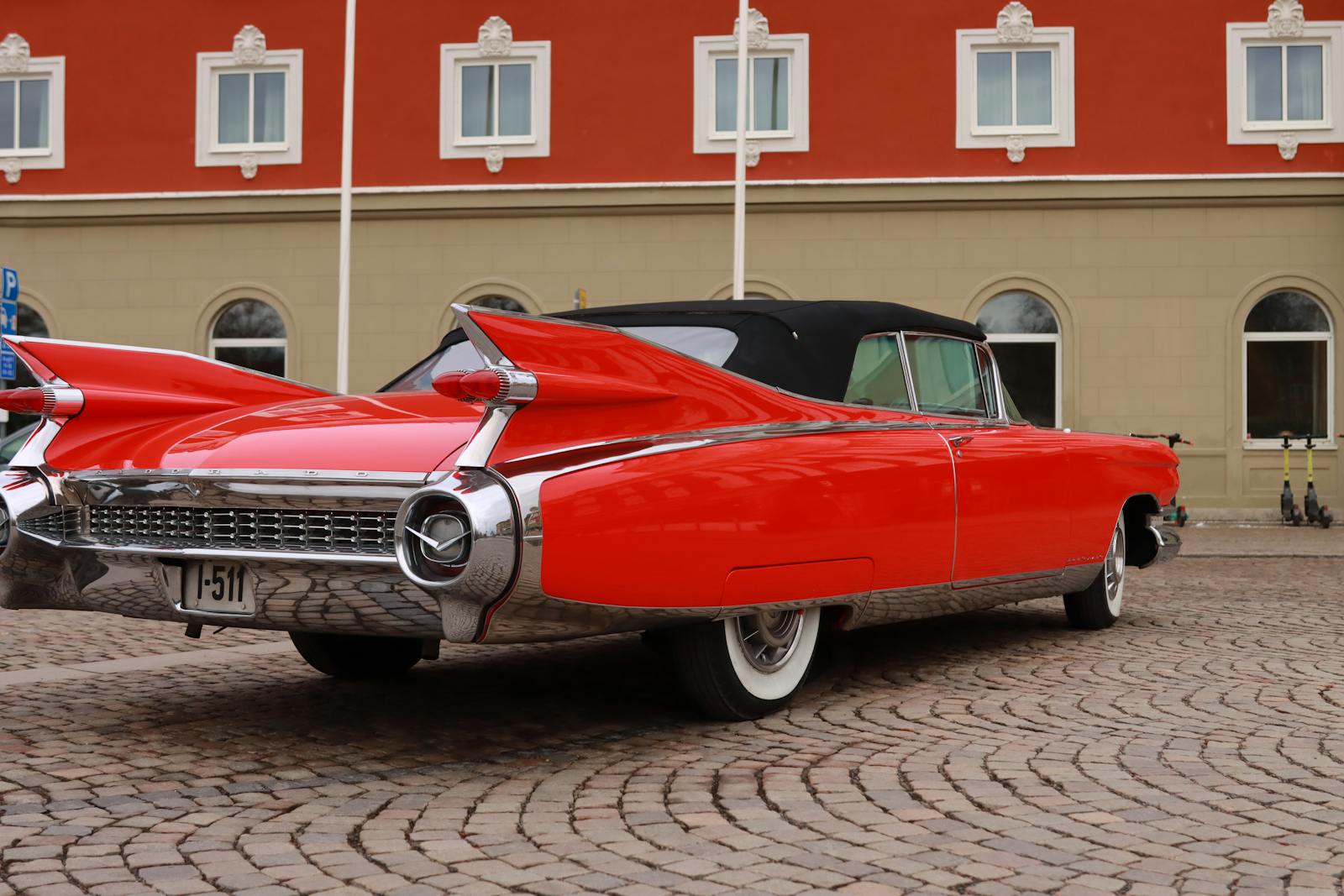
3. Cadillac Eldorado (1953-2002)
The Cadillac Eldorado epitomized luxury and elegance in American automobiles from its launch in 1953 until its discontinuation in 2002. The 1970 model, in particular, became notorious for its size and opulence, featuring a 500-cubic-inch V8 engine. With a history of innovative features such as front-wheel drive, the Eldorado has long been a status symbol, reflecting the aspirations of Detroit’s affluent consumers.
4. Ford F-Series (1948-Present)
The Ford F-Series has been the best-selling truck in America for 44 consecutive years, with over 40 million units sold since its inception. The 2021 Ford F-150, for instance, features advanced technologies like Pro Power Onboard, which turns the truck into a mobile generator. This model has not only contributed significantly to Ford’s bottom line but also to the livelihoods of countless workers in Detroit’s manufacturing sector.
5. Dodge Charger (1966-Present)
Launched in 1966, the Dodge Charger quickly became a symbol of muscle car culture in America. The 1970 model, particularly known for its aggressive styling and powerful engines, captured the imagination of car enthusiasts and was featured in numerous films and television shows. Today, the modern Charger continues the legacy, combining classic muscle car elements with contemporary technology, further entrenching Detroit’s influence in the automotive world.
The Impact of These Cars on Detroit’s Economy
The cars listed above have not only defined an era in automotive history but also played a vital role in Detroit’s economy. At its peak in the mid-20th century, the automotive industry accounted for nearly 30% of the U.S. manufacturing output. The innovations and production practices established by these iconic vehicles have set standards that continue to influence car manufacturing worldwide.
Challenges and the Future of Detroit’s Automotive Industry
While the glory days of Detroit’s automotive industry are often romanticized, the sector faces significant challenges today. With the rise of electric vehicles (EVs) and changing consumer preferences, traditional automakers are under pressure to adapt. Companies like Ford and General Motors are investing billions in EV technology, aiming to remain competitive in a rapidly evolving market.
The Legacy Continues
The vehicles that defined the glory days of Detroit remain a source of pride for the city and its inhabitants. They represent a time of innovation, resilience, and the American dream. As the automotive landscape shifts towards sustainability, the legacy of these iconic cars will likely inspire future generations of engineers and manufacturers.
Call to Action
Understanding the historical significance of these vehicles underscores the importance of supporting Detroit’s automotive industry as it navigates through transitions toward electric and autonomous vehicles. Consider visiting local automotive museums or participating in community discussions about the future of the industry. Your engagement is essential in preserving the legacy of Detroit’s automotive greatness.