
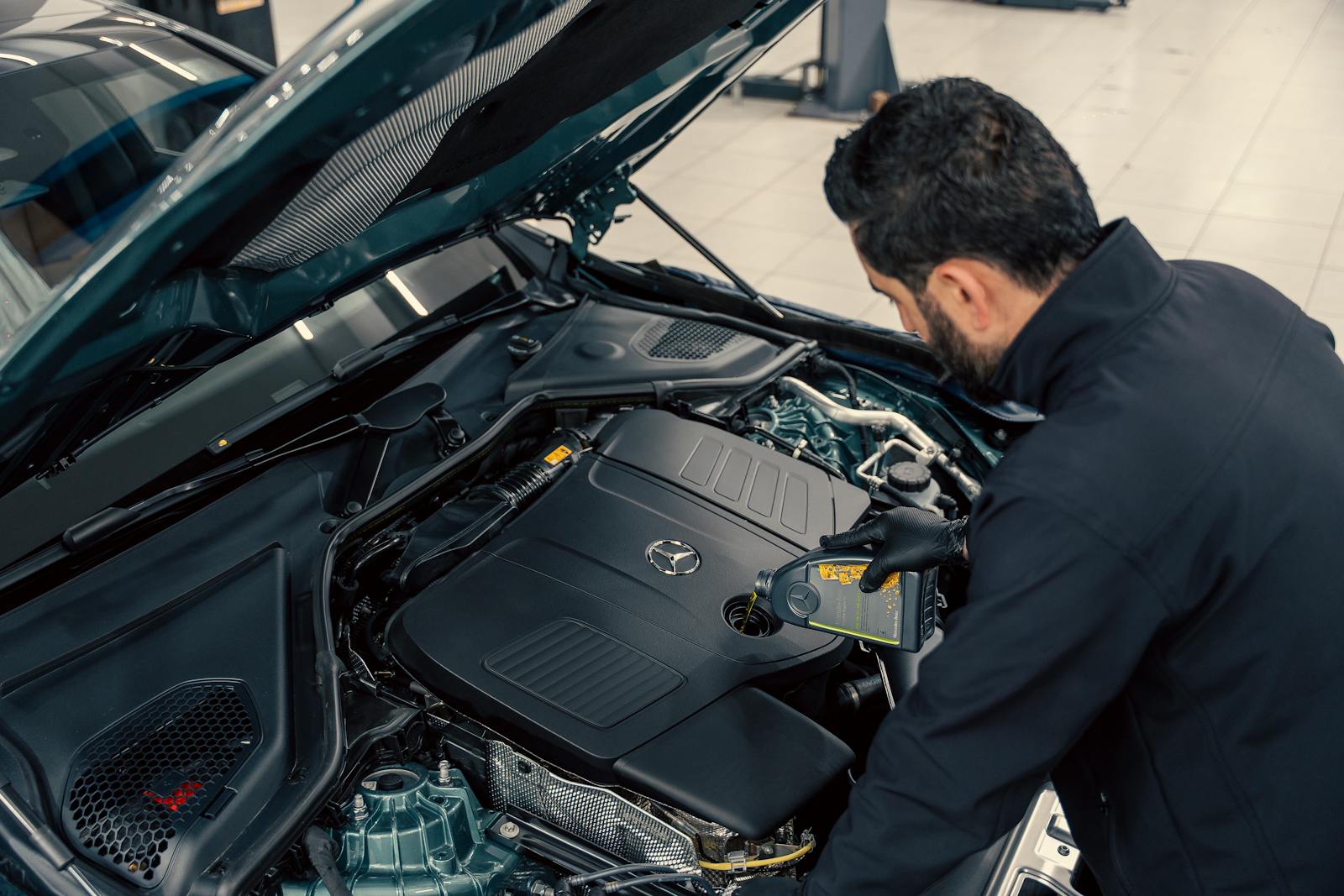

A used car can look flawless in a dealer’s lot lighting and still carry thousands of dollars in hidden problems. According to RepairPal, the average major engine repair runs between $3,000 and $7,000, and transmission replacements regularly land in the same range. Those numbers can wipe out every dollar a buyer thought they saved by skipping new.
The trouble is that the worst problems rarely announce themselves during a 15-minute test drive. They hide behind fresh oil, new floor mats and a missing service binder. The five categories below cover the issues that catch used-car buyers off guard most often and cost the most to fix, along with specific steps to spot them before you sign anything.
1. Engine Trouble That Only Shows Up Later
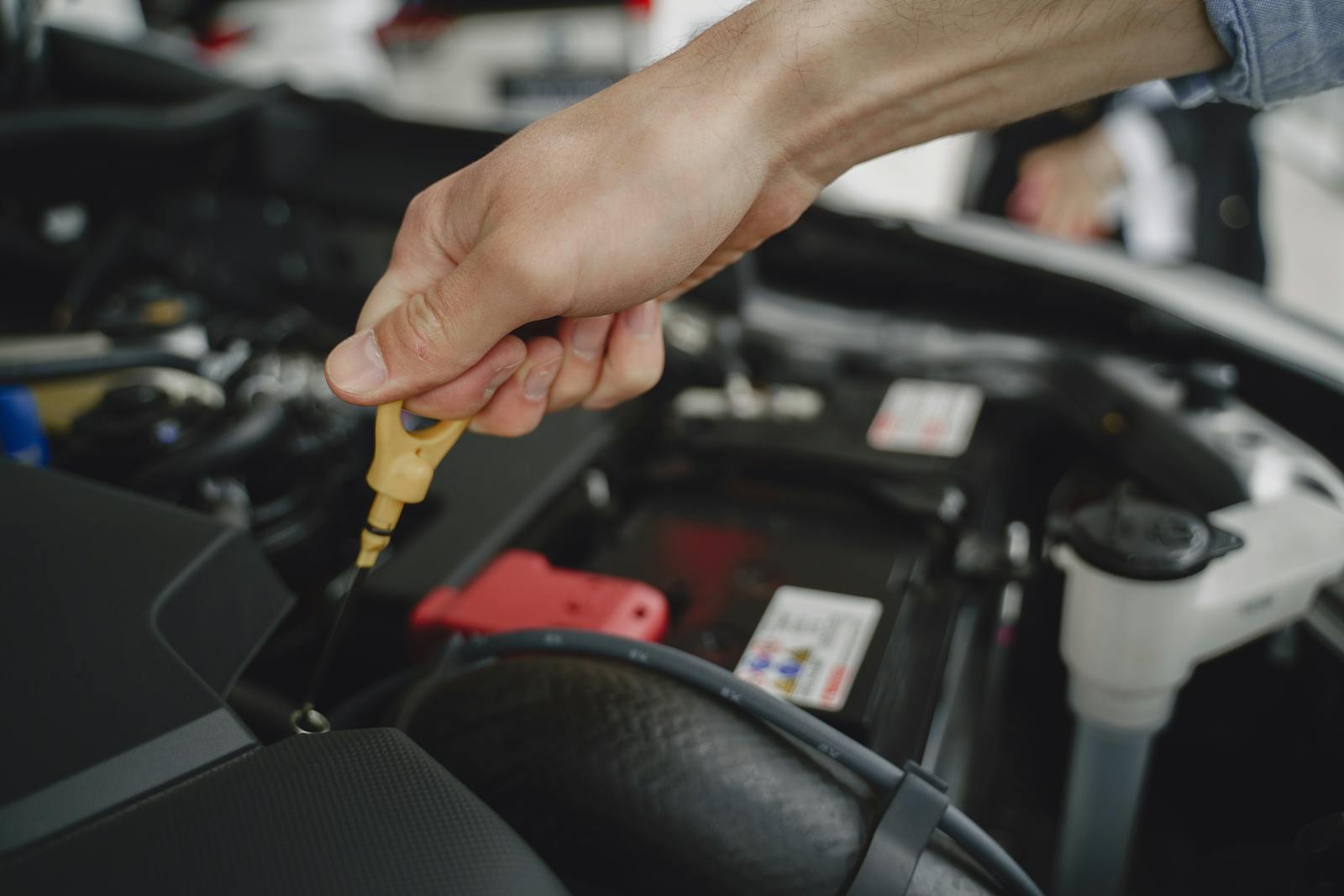
Misfires, oil leaks and overheating top the list of inherited engine problems, and sellers have a long playbook for masking them. A thick oil additive can quiet a knock for a weekend. A fresh top-off can hide a coolant leak for the length of a showing. By the time the buyer notices the temperature gauge climbing, the return window is closed.
Start under the hood with the engine cold, before the seller has had a chance to warm it up. Pull the oil cap and the dipstick: milky residue suggests coolant mixing with oil, a classic sign of a blown head gasket. Metal flakes or shavings point to internal bearing wear. Both conditions can lead to repairs that Consumer Reports places among the costliest a vehicle owner can face.
Next, listen. A cold start is the most revealing moment in any test drive. Knocking, ticking or rough idle that smooths out after a minute often indicates valve train wear or hydraulic lifter issues that will worsen over time. AAA recommends combining a long test drive (at least 30 minutes, mixing city and highway) with a professional pre-purchase inspection, which typically costs $100 to $200 at an independent shop.
Finally, pull a vehicle history report through Carfax or AutoCheck. Look for gaps in service records, salvage or rebuilt titles, and any reported engine work. A clean report does not guarantee a clean engine, but a dirty report is reason enough to walk away.
2. Transmission and Drivetrain Wear
Transmission failure is the repair most likely to total a used car financially. Depending on the vehicle, a full replacement runs $3,000 to $6,000 or more, according to RepairPal’s estimator. And unlike an engine knock, early transmission problems can be almost invisible on a short, low-speed test drive.
Slipping between gears, delayed engagement when shifting from park to drive, and a shudder during acceleration are the warning signs. The problem is that many of them only surface at highway speed, under load, or during a cold start. A seller who warms the car up before you arrive may be doing you a favor or hiding a two-second delay between park and drive that signals worn clutch packs.
During your test drive, cycle through every gear. On an automatic, pay attention to shifts between second and third and during passing acceleration at 50 to 60 mph. On a manual, check for grinding, a slipping clutch (engine RPMs rise without matching acceleration) and difficulty getting into reverse. For all-wheel-drive models, find a gravel lot or a steep incline and confirm the system actually engages; a Consumer Reports inspection guide notes that AWD faults are among the easiest to miss on pavement.
Ask the shop doing your pre-purchase inspection to scan for stored and pending transmission fault codes and to check the transmission fluid. Dark, burnt-smelling fluid in a vehicle with fewer than 80,000 miles is a red flag that the transmission has been running hot.
3. Hidden Water Damage and Flood History
After major flooding events, thousands of water-damaged vehicles re-enter the used market with cleaned interiors and, in some cases, laundered titles. The National Insurance Crime Bureau (NICB) offers a free VIN check that flags flood and salvage titles, and the National Motor Vehicle Title Information System (NMVTIS) tracks title brands across state lines, closing a loophole that title washers exploit by re-registering cars in states with looser disclosure rules.
Water damage is uniquely destructive because it attacks wiring harnesses, airbag modules, ABS sensors and seat-mounted side-impact sensors simultaneously. Corrosion can take months to cause failures, meaning a flood car may drive perfectly on the day of sale and then develop cascading electrical faults weeks later. Progressive Insurance warns that large stains on carpet or upholstery, brand-new upholstery in an otherwise aged interior, and musty odors under floor mats are all indicators of prior water exposure.
Go beyond the cabin. Check the spare tire well in the trunk for silt, rust or waterline marks. Inspect the seat rail bolts and under-dash brackets for corrosion that does not match the vehicle’s age or reported history. If the car was registered in a region that experienced significant flooding (the vehicle history report will show registration locations), treat that as a prompt for deeper scrutiny, not proof of damage, but reason to look harder.
If anything feels inconsistent between the seller’s story and the physical evidence, walk away. Flood damage is progressive, difficult to fully remediate, and almost never worth the discount.
4. Suspension, Brakes and Tires That Hide Costly Repairs
Buyers tend to focus on the engine and transmission and treat the undercarriage as an afterthought. That is a mistake. Replacing four tires, a set of brake rotors and pads, two front struts and a pair of control arm bushings on a midsize sedan can easily exceed $2,500 in parts and labor, and on SUVs or European models the number climbs fast.
Tires tell a story if you know how to read them. Uneven wear across the tread suggests alignment problems, which often trace back to worn suspension components. Cupping or scalloping along the tire’s edge points to failing shocks or struts. And any tire manufactured more than six years ago (check the four-digit DOT date code on the sidewall) should be replaced regardless of remaining tread, per NHTSA guidance on tire aging.
During the test drive, listen for clunks or rattles over bumps, which often indicate worn sway bar links or ball joints. A pull to one side under braking suggests uneven rotor wear or a sticking caliper. Brake pedal pulsation at highway speed is a near-certain sign of warped rotors.
These are wear items, not necessarily deal-breakers, but they are legitimate negotiating tools. If the inspection reveals $1,500 in needed brake and suspension work, that number should come off the asking price or the seller should complete the repairs before closing.
5. Missing Paperwork and Masked Vehicle Histories
A car without documentation is a car without accountability. Missing service records, a blank owner’s manual pouch and vague answers about maintenance history should raise the same alarm as a mechanical defect, because they often predict one.
Consumer Reports advises asking about mileage, accident history and number of previous owners before you even travel to see the vehicle. If the seller cannot or will not answer those questions over the phone, the trip is not worth your time.
A clean title is necessary but not sufficient. Run the VIN through Carfax, AutoCheck and the free NICB VINCheck. Look for title brands (salvage, rebuilt, flood), odometer discrepancies, and registration in multiple states over a short period, a pattern common in title washing. Cross-reference the reported mileage against the service history: a car that was serviced at 60,000 miles in 2022 and is now listed at 58,000 miles has a rolled odometer.
Buyers shopping at auctions face even steeper odds. Government surplus and insurance auction platforms often sell vehicles as-is with no opportunity for a pre-sale inspection, which means bidders are gambling on photos and a VIN check alone. For most buyers, the savings at auction do not justify the risk unless they have mechanical expertise or a trusted shop willing to take on an unknown vehicle.
One more consideration: legal protections vary sharply depending on where and how you buy. Dealer sales in most states carry implied warranty obligations, but private-party sales are almost universally “as-is.” State lemon laws primarily cover new vehicles; used-car coverage, where it exists, is limited and varies by state. The FTC’s Used Car Rule requires dealers to display a Buyers Guide on every used vehicle, disclosing warranty terms and the percentage of repair costs the dealer will cover. Read it before you negotiate, not after.
The Bottom Line
The best protection against a bad used car is not luck. It is process. Pull the vehicle history before you visit. Ask hard questions over the phone. Insist on a cold start. Drive the car for at least 30 minutes across varied conditions. And pay the $100 to $200 for an independent pre-purchase inspection, which remains the single highest-return investment in any used-car transaction.
Every problem on this list is detectable before purchase if the buyer slows down enough to look. The sellers who pressure you to skip those steps are the ones most likely to be hiding something.
More from Wilder Media Group: