

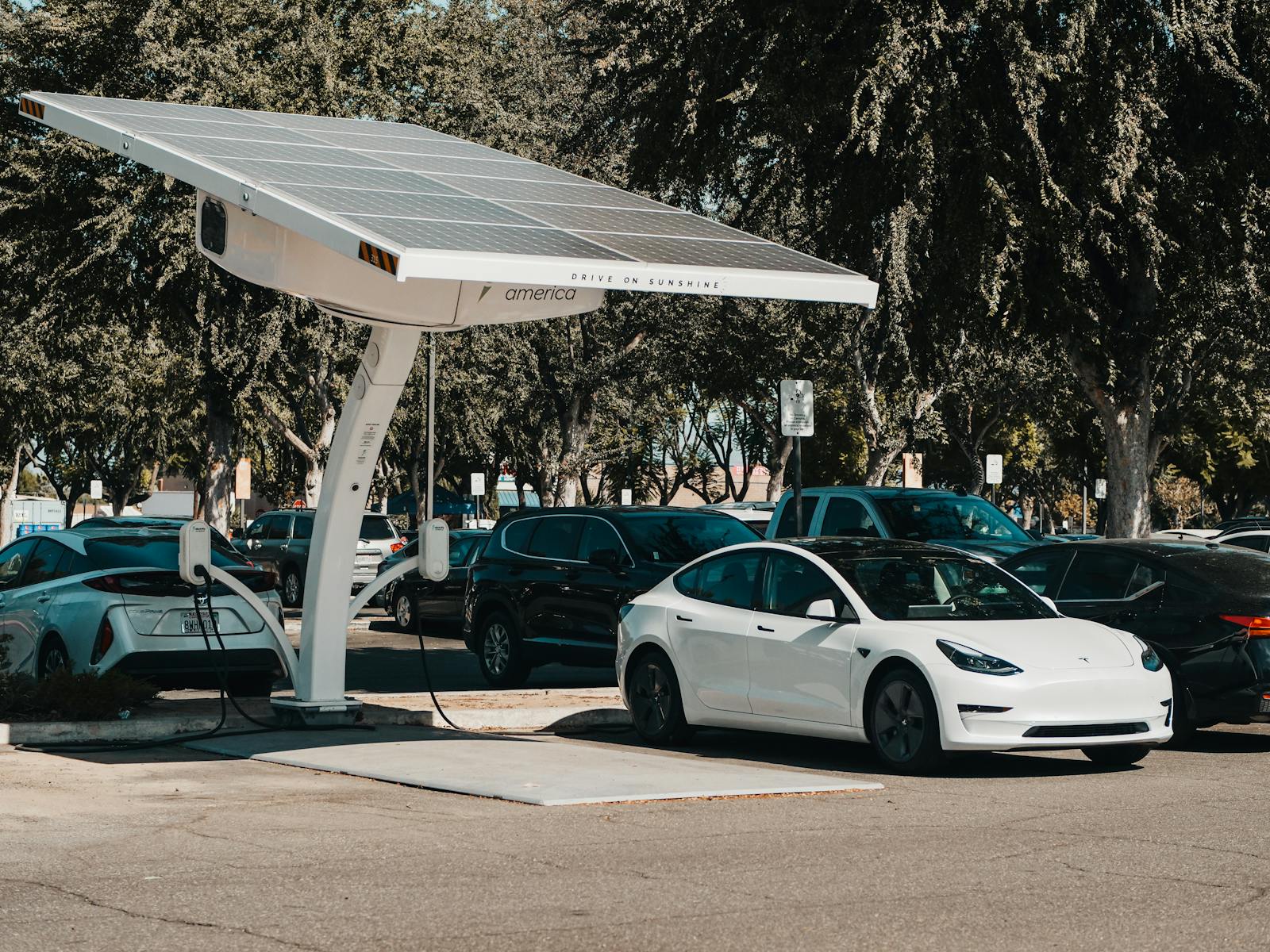
Recent reports indicate that several electric vehicle (EV) models may face significant reliability issues once they surpass 50,000 miles, raising concerns among owners and potential buyers. As electric cars gain popularity, understanding which models could experience breakdowns is crucial for consumers investing in these vehicles. This information matters because it impacts vehicle longevity, maintenance costs, and ultimately, consumer trust in the growing EV market.
1. Tesla Model S (2012-2020)
The Tesla Model S has been a trailblazer in the electric vehicle market since its introduction. However, several users have reported problems with the car’s battery management system and electrical components after reaching the 50,000-mile mark. While Tesla’s road assistance is robust, the potential for costly repairs can deter long-term ownership. It’s essential for prospective buyers to consider these factors, especially given that some repairs can exceed $5,000.
2. Chevrolet Bolt EV (2017-2022)
The Chevrolet Bolt EV has gained a reputation for its affordability and range. Nonetheless, various reports have surfaced regarding battery-related issues, particularly a risk of battery fires that led to a recall of 142,000 units in 2021. Though the company has addressed some of these issues, owners have still experienced performance drops and other electrical problems as their vehicles approach the 50,000-mile threshold. Given that the average cost for unexpected repairs can reach around $1,200, this model may not be as reliable as initially thought.
3. Nissan Leaf (2011-2022)
The Nissan Leaf has been one of the best-selling electric vehicles worldwide. However, users have reported degradation in battery performance after approximately 50,000 miles, with some experiencing a noticeable decrease in range. Additionally, the Leaf’s older models have been linked to various electronic malfunctions, which can result in costly repairs that can reach up to $2,500. This potential for breakdowns may lead consumers to question the long-term value of this popular EV.
4. BMW i3 (2014-2021)
The BMW i3 is known for its distinctive design and innovative materials. However, it has garnered attention for reliability issues, particularly in its electrical systems and battery life. Owners have reported that the vehicle may exhibit electrical failures as it approaches the 50,000-mile mark, leading to expensive repairs, often exceeding $3,000. Given the i3’s premium price point, potential buyers should weigh these concerns against the vehicle’s unique features.
5. Ford Mustang Mach-E (2021-Present)
The Ford Mustang Mach-E has quickly become a favorite among electric vehicle enthusiasts, thanks to its performance and iconic branding. However, early reports indicate that some owners have faced software-related issues that can lead to vehicle malfunctions as they near 50,000 miles. Problems ranging from touchscreen failures to battery management software bugs have been noted, with repair costs that could reach $1,500. As this model gains traction in the market, it is critical for owners to stay vigilant about potential issues.
The Importance of Thorough Research
As the electric vehicle market continues to expand, consumers must conduct thorough research before making a purchase. Understanding potential breakdown risks is vital for ensuring long-term satisfaction and minimizing unexpected costs. While many EVs promise low maintenance and a clean driving experience, the reality can sometimes differ, especially as these vehicles age.
Conclusion: Be Informed and Cautious
As electric cars become an increasingly common choice for consumers, knowing which models may experience reliability issues after 50,000 miles is essential. The five models discussed—Tesla Model S, Chevrolet Bolt EV, Nissan Leaf, BMW i3, and Ford Mustang Mach-E—highlight the importance of informed decision-making in the EV market. As a buyer, be sure to weigh the pros and cons of each model, considering both performance and potential repair costs.
Before investing in an electric vehicle, consult with current owners, read reviews, and consider warranty options. Stay informed about recalls and service bulletins for the models you’re interested in to ensure that your investment is sound. Don’t let a lack of information lead to costly surprises down the road; your next vehicle purchase could depend on it.