

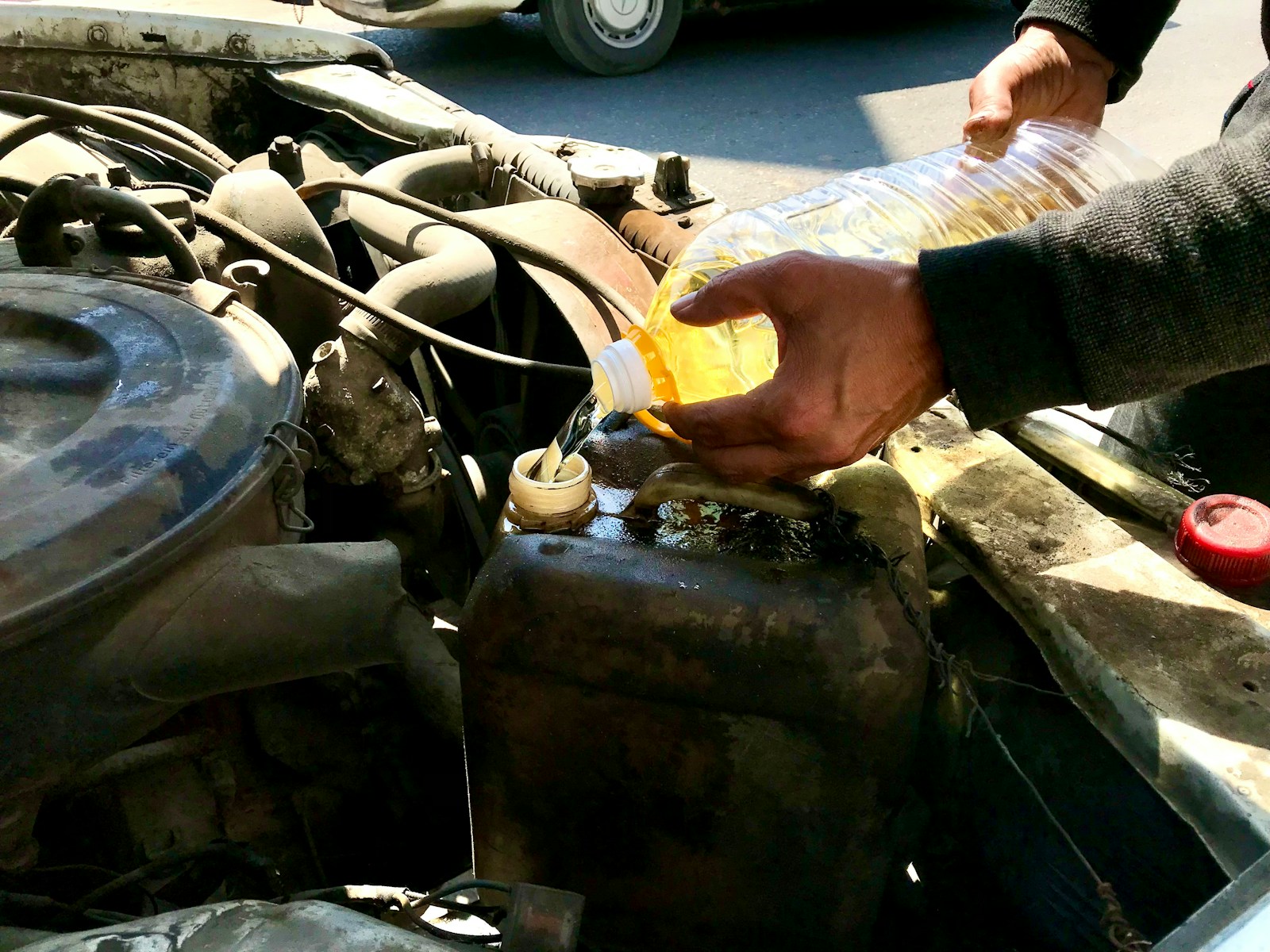
So, you’ve taken your car in for a little TLC, maybe you’re hearing some strange noises or feeling that not-so-smooth ride. And then, the mechanic starts suggesting a bunch of treatments that make you raise an eyebrow. You’re not alone! Certain engine treatments can be a bit like red flags at a bullfight—screaming for your attention. Here’s a friendly rundown of five engine treatments that should make you think twice before saying yes.
1. Engine Flushes
Let’s start with engine flushes. The concept might sound appealing—who doesn’t want their engine to be squeaky clean? But here’s the kicker: mechanics often warn that these treatments can do more harm than good. Why? Well, if your engine has a lot of sludge built up, an aggressive flush can dislodge that gunk and send it to places it shouldn’t be. This can result in blockages or even catastrophic engine failure. So, unless your car’s been living under a rock for the last decade, you might want to skip this one.
2. Fuel System Cleaner Additives
Now, let’s talk about fuel system cleaners. Sure, they promise to improve performance and restore lost power. But mechanics will often tell you that if your engine truly needs a miracle worker, it’s better to address the root problem instead of relying on a quick fix in a bottle. If your car is sputtering like it’s auditioning for a role in a horror movie, it could be a sign of deeper issues—fuel injectors might be clogged or there’s a problem in the fuel system itself. Don’t let those flashy ads fool you; sometimes, you just need to roll up your sleeves and get to the real cause.
3. Oil Additives
Ah, oil additives—the “magic potions” of the automotive world. They’re marketed as a way to improve lubrication, reduce wear, and even boost your engine’s performance. However, mechanics often raise an eyebrow at these products. Why? Because if your engine is in good shape, you really shouldn’t need them. If you find yourself reaching for that bottle, it might be time to consider whether your engine is actually healthy or if it’s giving you those telltale signs that something’s off. Remember, if it’s not broken, why fix it with questionable additives?
4. Overly Aggressive Engine Treatments
If you’ve ever had a mechanic suggest an overhaul that sounds like it’s meant for a race car, it’s time to hit the brakes. Treatments like “performance chips” or “high-octane fuel” can sometimes be more than your standard commuter car needs. They promise better power and efficiency, but they can also lead to damage if your engine isn’t designed to handle them. Think of it like putting a sports car engine in a family minivan—sure, it sounds exciting, but it’s likely to end in disaster. Always consult your owner’s manual and stick with what’s recommended for your ride.
5. “Miracle” Treatments
Last but definitely not least, let’s discuss those so-called “miracle treatments.” You know the ones—ads that promise to fix everything from engine knocking to emissions problems with just one application. If it sounds too good to be true, it probably is. Mechanics often say that while some products can provide temporary relief, they’re not substitutes for real repairs. If your engine’s got issues, you’ll usually need more than a magical elixir. It’s like trying to cover up a hole in your roof with duct tape; it might hold for a bit, but eventually, reality’s going to catch up with you.
In Conclusion
Car maintenance can feel overwhelming, especially with all the options out there. But understanding what’s really beneficial and what’s just a catchy sales pitch can save you time, money, and a whole lot of headaches. When in doubt, trust your instincts and don’t hesitate to get a second opinion. Your car deserves the best, and so do you! And remember, there’s no shame in asking questions or saying no to treatments that give you pause. After all, you wouldn’t let just anyone perform surgery on you, right? Your car deserves the same level of care.