

The most expensive repair bills rarely start with a dramatic failure. They start with habits so routine that drivers never think twice: a hard launch from a stoplight, an oil change pushed back a few thousand miles, a fuel gauge hovering on empty for the third time this month. Mechanics across the country trace the same handful of behaviors to the bulk of preventable engine, transmission and electrical work they perform each year.
Here are five of the most common patterns, why they cause so much damage, and what it takes to break them before they break your car.
1. Hard acceleration, late braking and gear abuse
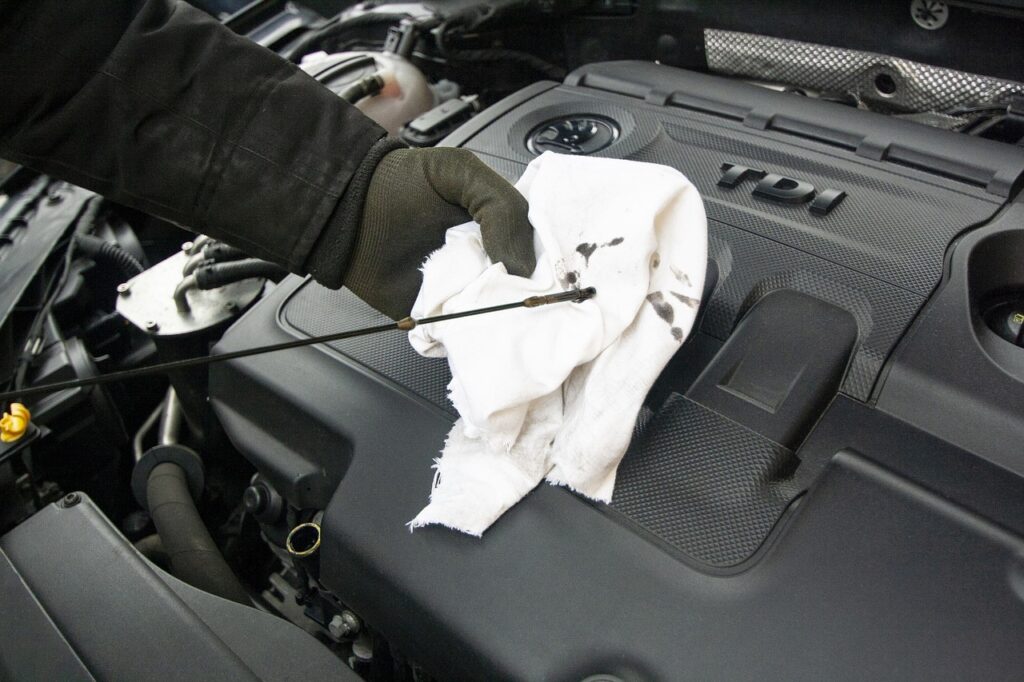
Flooring the throttle from every green light and braking hard at the last second might feel harmless, but the cumulative toll is real. Aggressive acceleration dumps excess fuel into the cylinders and spikes combustion temperatures, accelerating wear on piston rings, valve seats and exhaust components. Repeated hard stops, meanwhile, generate enough heat to warp brake rotors and glaze pads well ahead of their expected service life. Christian Brothers Automotive lists hard braking and aggressive acceleration among the top habits that shorten a vehicle’s lifespan.
The transmission absorbs much of this punishment, too. Rapid launches and abrupt downshifts generate heat inside the gearbox, and heat is the number-one killer of automatic transmission clutch packs. Mr. Transmission warns that these driving patterns can cut transmission life significantly, especially in vehicles engineered for smooth, progressive shifts rather than repeated high-load launches. A 2020 Toyota RAV4 or a 2022 Honda CR-V, for example, uses a CVT or conventional automatic tuned for fuel economy, not drag-strip duty.
A subtler offender: shifting from reverse to drive while the car is still rolling backward. That mid-roll shift forces the transmission’s internal components to absorb the vehicle’s momentum, a job that belongs to the brakes. Over thousands of repetitions, this can damage the parking pawl and other internals, leading to repairs that typically run $1,500 to $3,000 at an independent shop.
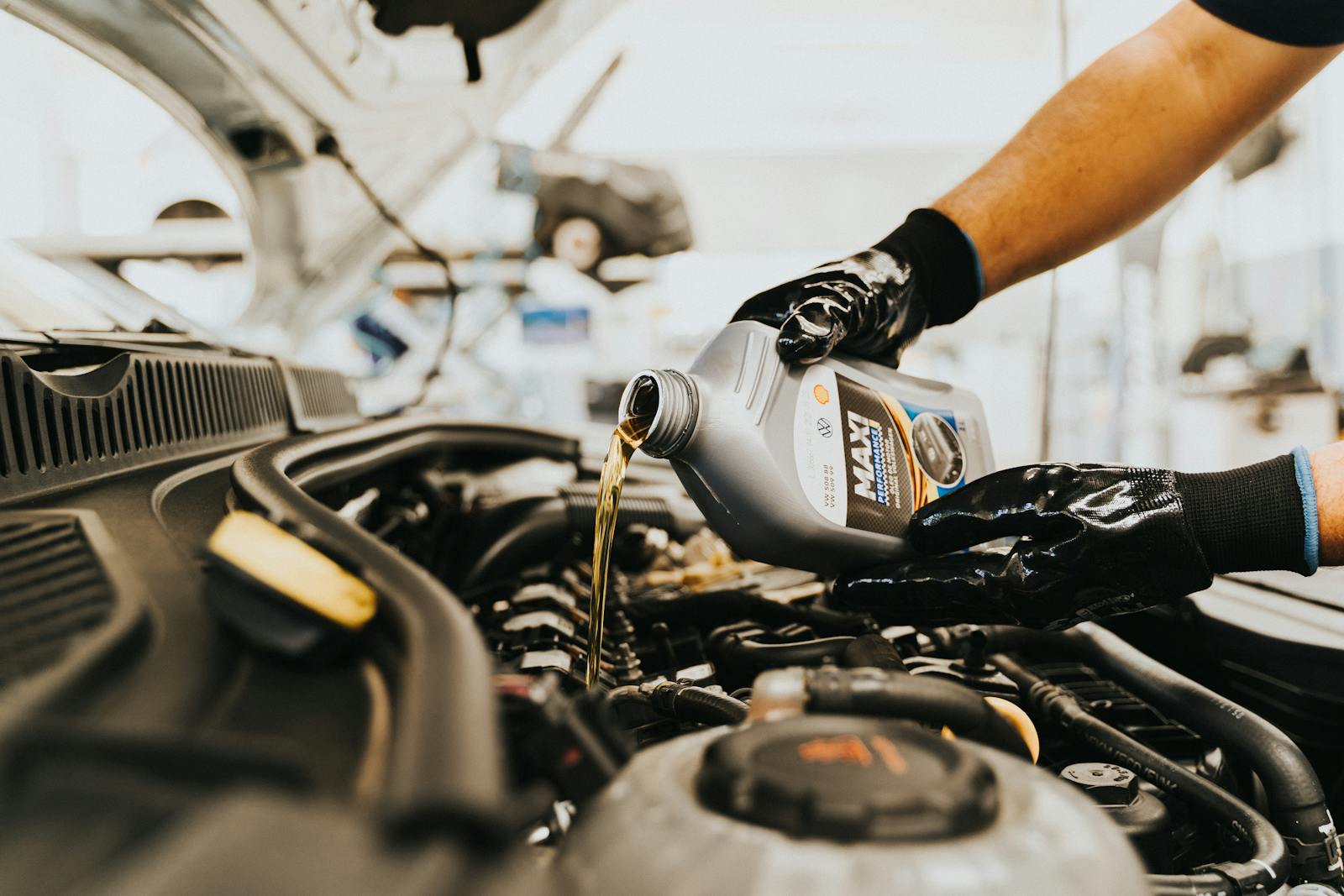
2. Neglecting oil and fluid changes
Engine oil does more than lubricate. It cleans, cools and protects metal surfaces spinning thousands of times per minute. But oil degrades whether the car is driven hard or barely driven at all. ENEOS technical guidance notes that heat, moisture and chemical breakdown all reduce oil’s protective qualities over time, and that once those qualities are gone, bearings, camshafts and turbochargers begin to suffer irreversible wear.
Turbocharged engines are especially vulnerable. In a car like a Volkswagen Golf GTI or a Ford Bronco Sport with the 1.5-liter EcoBoost, the turbocharger relies on a steady flow of clean oil for both lubrication and cooling. Stretching oil changes past the manufacturer’s recommended interval, typically 5,000 to 7,500 miles for most modern turbocharged engines, can leave carbon deposits on the turbo shaft. A turbo replacement often costs $2,000 or more, dwarfing the price of routine oil changes.
Other fluids follow the same pattern. Chahel Auto warns that driving on low or burnt transmission fluid can cause overheating and internal failure. Brake fluid absorbs moisture over time, which lowers its boiling point and can corrode brake lines from the inside. Power steering fluid in older hydraulic systems degrades similarly. Most owner’s manuals specify intervals for all of these, yet many drivers only check engine oil, if they check anything at all.
3. Quietly draining the battery and electrical system
Every modern vehicle depends on its battery for far more than starting the engine. Infotainment screens, heated seats, dash cameras, USB charging ports and smartphone mirroring through Apple CarPlay or Android Auto all draw power. Darrick’s Preferred Auto explains that the battery powers critical systems before the alternator takes over, and that treating it like an unlimited power source while the engine is off accelerates chemical degradation inside the cells.
Temperature extremes compound the problem. McCluskey Chevrolet notes that prolonged exposure to very hot or very cold conditions, common for vehicles parked outdoors year-round, can dramatically reduce battery capacity. Short trips are another quiet killer: if the engine only runs for five or ten minutes at a time, the alternator never fully recharges the battery after each start. Over weeks, the charge level drops until the battery can no longer crank the engine reliably.
Early warning signs include a slow or clicking engine crank and noticeably dim headlights at idle. Pickup Truck Talk identifies these as common indicators that the battery or charging system is deteriorating. Ignoring them and continuing to run heavy accessories on a weakening battery can overwork the alternator, turning a $150 battery replacement into a $600-plus alternator job.
4. Ignoring warning lights and driving on fumes
Modern vehicles are packed with sensors designed to flag problems early, from oxygen sensor faults to low coolant levels. Yet a surprising number of drivers treat a glowing check engine light as background noise. The cost of that indifference adds up fast: a misfiring cylinder that triggers a $100 diagnostic today can destroy a catalytic converter worth $1,000 or more if left unchecked for months. Preventive maintenance guidance from Pickup Truck Talk stresses that catching electrical and sensor issues early extends the life of alternators, starters and wiring harnesses.
Fuel habits are another blind spot. OHS Body Shop notes that driving on fumes is surprisingly common. According to a 2023 AAA survey, roughly one in three U.S. drivers admits to regularly letting the fuel gauge dip to empty or below. That habit forces the electric fuel pump, which sits inside the tank and uses gasoline as a coolant, to run hotter than designed. Over time, the pump can overheat and fail, and sediment that settles at the bottom of the tank gets pulled into fuel filters and injectors, compounding the damage.
Mechanics see the same story repeatedly: minor vibrations, slight hesitations on acceleration, or a faint whine from the fuel tank that a driver dismisses for months. By the time the car finally stalls or throws a hard fault, the repair bill has multiplied several times over.
5. Water, potholes and repeated physical stress
Not every threat comes from under the hood. The roads themselves can quietly destroy suspension, wheels and electronics. Christian Brothers Automotive lists driving through deep water as a major and often underestimated risk. Water that reaches the bottom of the doors can infiltrate wheel bearings, differential seals and electrical connectors. If it enters the engine’s air intake, the result is hydrolock: the incompressible water stops the pistons mid-stroke, bending connecting rods and potentially destroying the engine in a single event.
Potholes, even shallow ones hidden under puddles, can knock wheels out of alignment or crack alloy rims on impact. Misalignment causes uneven tire wear and puts extra load on tie rods, ball joints and control arm bushings. Drivers who regularly hop curbs to park or cut corners in tight lots accelerate the same kind of wear. Over 50,000 to 80,000 miles of city driving, these small impacts add up to suspension repairs that can easily exceed $1,000.
One more overlooked habit: skipping the parking brake on hills. Relying solely on the transmission’s parking pawl to hold a 4,500-pound SUV on an incline puts concentrated stress on a small metal tab inside the gearbox. Mr. Transmission flags this as a common source of slow, preventable drivetrain damage. Using the parking brake takes two seconds and distributes the load away from the transmission entirely.
How to break the habits before they break the car
None of these fixes require special tools or mechanical knowledge. They require awareness and a small amount of discipline:
- Smooth out your inputs. Accelerate and brake progressively. Leave enough following distance that panic stops become rare.
- Follow the maintenance schedule in your owner’s manual. Do not guess at oil change intervals or skip transmission fluid services. If you drive in conditions the manual classifies as “severe” (frequent short trips, extreme heat, towing), use the shorter service intervals.
- Keep the fuel tank above a quarter full. It protects the fuel pump and reduces the chance of pulling sediment into the fuel system.
- Respond to warning lights promptly. A diagnostic scan at most auto parts stores is free. Knowing what triggered the light lets you make an informed decision instead of gambling.
- Use the parking brake every time you park on a slope. It takes two seconds and saves the transmission from absorbing forces it was not designed to handle.
- Avoid deep water and watch for potholes. If you cannot see the bottom of a puddle, go around it.
As of April 2026, the average cost of a major engine repair in the U.S. ranges from $3,000 to $7,000, according to AAA and RepairPal estimates. A transmission rebuild typically falls between $2,500 and $5,000. Nearly all of the habits described above cost nothing to fix. The math is simple: a few changes in daily routine can save thousands of dollars and years of reliable service from a vehicle that was built to last far longer than most drivers let it.
More from Wilder Media Group: