

In a recent analysis of military aircraft, pilots have identified five fighter jets whose cockpits they describe as “perfectly designed,” emphasizing their impact on operational efficiency and safety. These findings are significant as they highlight the importance of cockpit design in enhancing pilot performance and mission success. As military forces worldwide continue to invest in advanced technology, the design and ergonomics of fighter jet cockpits remain crucial components in combat readiness.
1. Lockheed Martin F-35 Lightning II
The Lockheed Martin F-35 Lightning II, introduced in 2015, has garnered praise for its state-of-the-art cockpit design. Pilots have noted that its large touchscreen displays and intuitive interface allow for quick access to critical information without overwhelming the user. The cockpit features a 360-degree view, which enhances situational awareness, crucial in combat scenarios. The F-35’s design represents a significant leap forward in integrating technology with pilot needs, making it a favorite among operators.
2. Boeing F/A-18 Super Hornet
First entering service in 1999, the Boeing F/A-18 Super Hornet is renowned for its robust and user-friendly cockpit. Pilots appreciate the cockpit’s layout, which emphasizes ease of access to controls and displays. The Super Hornet’s Multi-Functional Displays (MFDs) provide pilots with real-time data and tactical information, facilitating rapid decision-making during missions. With its proven track record in various combat operations, the Super Hornet remains a vital asset for the U.S. Navy and allied forces.
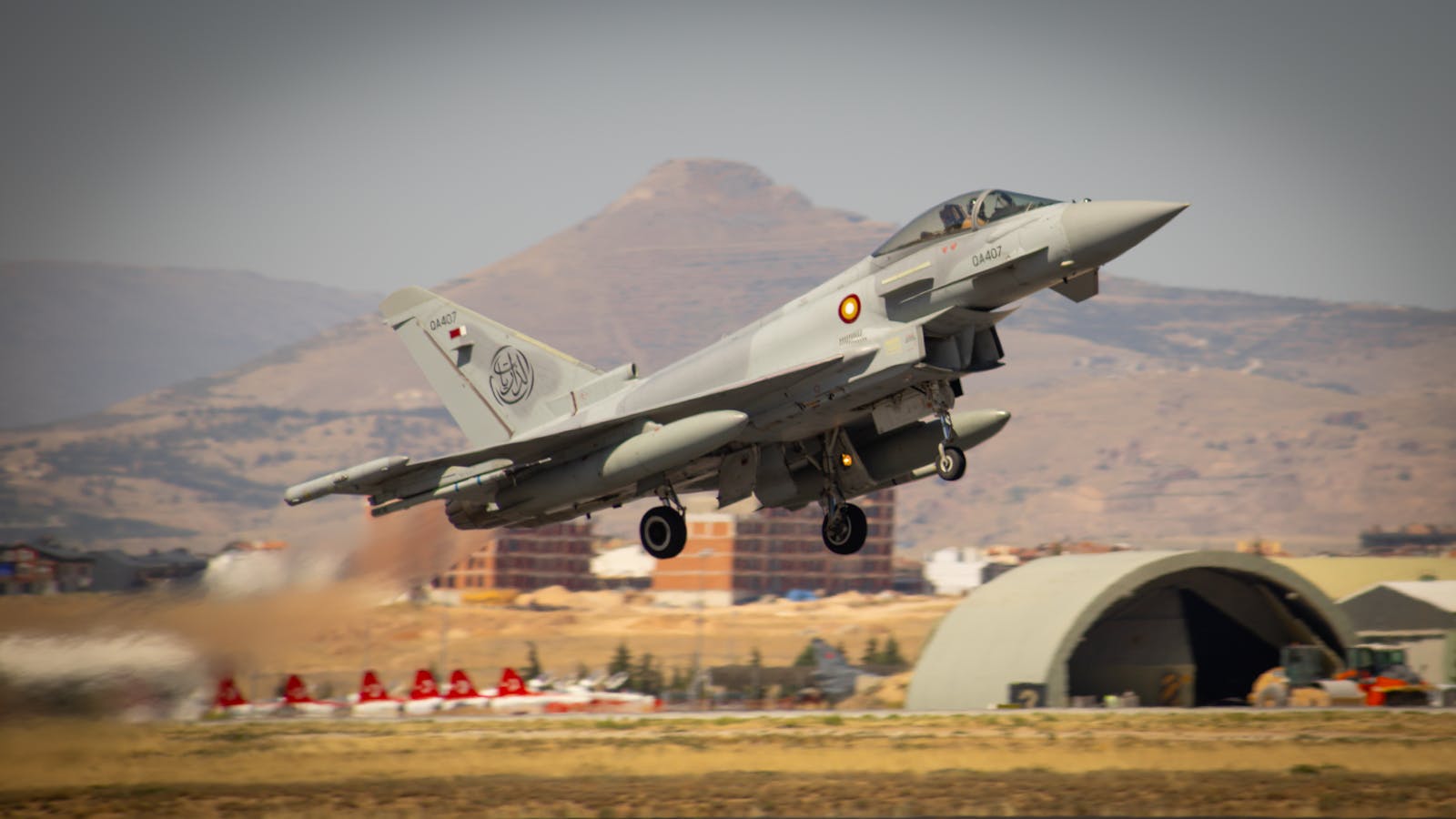
3. Eurofighter Typhoon
The Eurofighter Typhoon, operational since 2003, has been praised for its innovative cockpit design that aligns with pilot ergonomics. The aircraft features a hands-on throttle and stick (HOTAS) control system that allows pilots to manage systems and weapons without removing their hands from the controls. This design minimizes pilot workload and maximizes efficiency, particularly in high-stress situations. The Typhoon’s cockpit configuration has been a critical factor in its effectiveness during air operations across Europe.
4. Dassault Rafale
The Dassault Rafale, which has been in service since 2001, is another aircraft noted for its user-centric cockpit design. Pilots have highlighted the aircraft’s advanced avionics and multifunction displays that enhance operational capabilities. The cockpit’s layout promotes logical workflow, enabling pilots to operate complex systems efficiently. The Rafale’s cockpit design plays a vital role in its versatility, allowing it to perform air-to-air and air-to-ground missions with ease.
5. Saab JAS 39 Gripen
The Saab JAS 39 Gripen, introduced in the late 1990s, features a cockpit that is both compact and highly functional. Pilots have praised the Gripen for its simple yet effective design, which includes a heads-up display (HUD) and easy-to-read instruments. The cockpit allows for quick adjustments and provides essential information at a glance, which is crucial during fast-paced engagements. The Gripen’s ergonomic design reflects Saab’s commitment to enhancing pilot performance and mission effectiveness.
The Importance of Cockpit Design in Modern Aviation
As military aviation technology continues to advance, the cockpit remains a focal point for innovation. The design of pilot interfaces directly influences operational effectiveness, safety, and the ability to adapt to rapidly changing combat environments. Each of the five aircraft highlighted above has set benchmarks in cockpit design, combining advanced technology with user-friendly features that cater to the demands of modern warfare.
Conclusion: A Call to Action
With the complexities of modern aerial combat, the design of fighter jet cockpits will only become more critical in ensuring mission success and pilot safety. Military and defense organizations must prioritize investing in research and development to continue improving cockpit ergonomics and functionality. As nations around the globe look to enhance their air forces, the lessons learned from these five exemplary fighter jets should guide future designs. Stay informed and advocate for advancements in military aviation that prioritize pilot needs and operational readiness.