

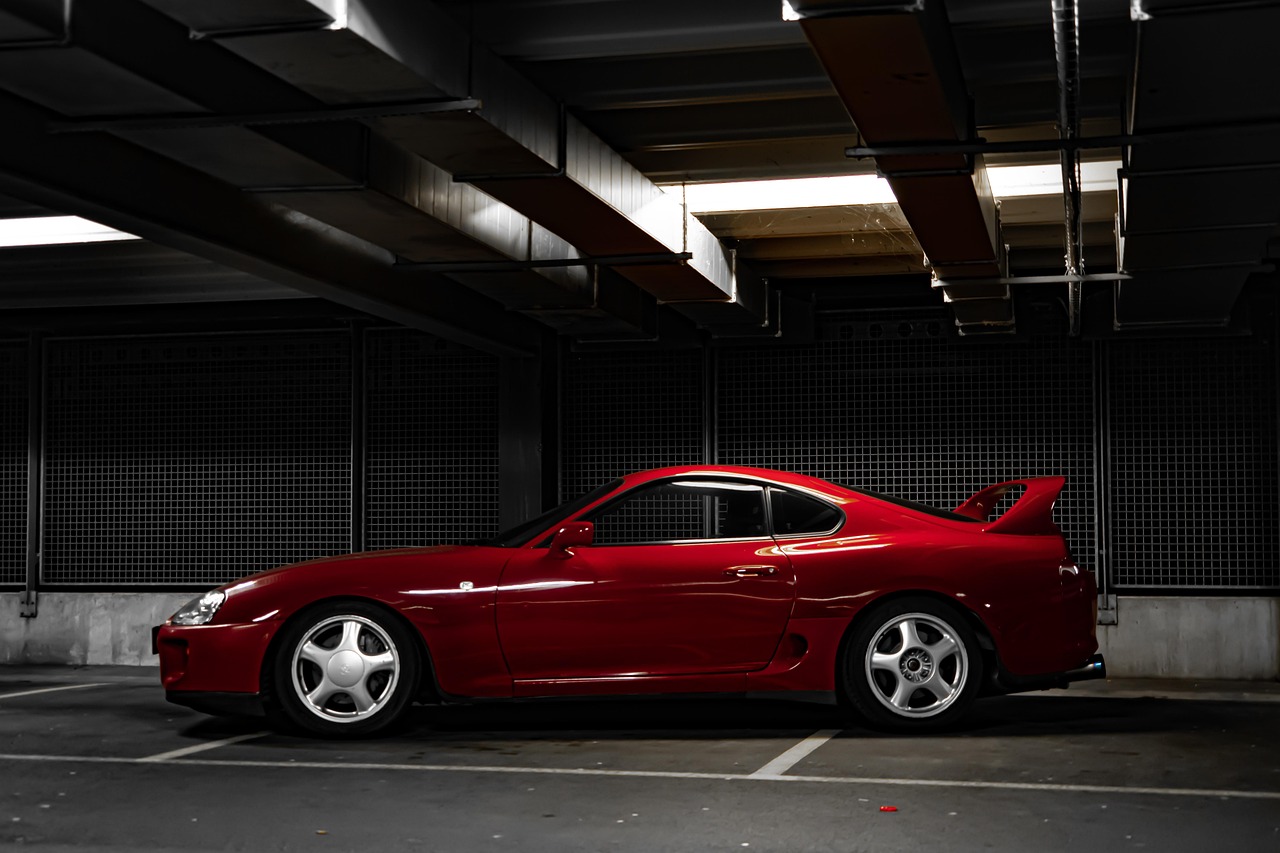
Over the past few years, several automotive brands have resurrected models that once faded from public memory, proving that nostalgia can be a powerful marketing tool. These comebacks not only rekindle consumer interest but also impact the automotive market significantly, leading to increased sales and brand loyalty. Here are five forgotten cars that have made notable returns in the automotive landscape.
1. Ford Bronco (2021)
The Ford Bronco, originally produced from 1966 to 1996, became an iconic vehicle, particularly for off-road enthusiasts. Its revival in 2021 was met with overwhelming enthusiasm, with over 190,000 reservations made prior to its release. The new model features modern technology while maintaining the rugged aesthetic that made it famous, including an advanced four-wheel-drive system and a removable roof.
This comeback is significant—not only for Ford but also for the off-road vehicle market, which has seen a resurgence in popularity. The 2021 Bronco quickly became a competitor to the Jeep Wrangler, capturing 12% of the segment’s market in its first year. Enthusiasts and casual drivers alike have embraced the Bronco, demonstrating that a well-timed return can invigorate a brand.
2. Chevrolet Blazer (2019)
The Chevrolet Blazer made its official return to the market in 2019 after a nearly two-decade hiatus. Originally known as a rugged SUV, the new model is a midsize crossover designed to appeal to a broader audience. In its first year, the Blazer sold approximately 60,000 units, significantly boosting Chevrolet’s SUV lineup.
This modern iteration combines sporty design with advanced technology, including a suite of driver-assistance features. By revitalizing the Blazer, Chevrolet has capitalized on the growing SUV trend, which saw a 48% increase in sales from 2010 to 2020, making it a timely comeback in a highly competitive market.
3. Volkswagen ID. Buzz (2022)
The Volkswagen ID. Buzz, a modern electric reinterpretation of the classic VW Microbus, was officially launched in 2022, marking a significant return for a beloved model that originally debuted in the 1950s. The ID. Buzz aims to blend nostalgia with sustainability, as it is part of Volkswagen’s broader strategy to transition to electric vehicles. In its first year, the ID. Buzz garnered over 10,000 pre-orders in Europe alone, signaling strong consumer interest.
This comeback is particularly relevant as the automotive industry shifts toward electric solutions. The ID. Buzz features a spacious interior and cutting-edge technology, appealing to environmentally conscious consumers while evoking memories of the original Microbus’s iconic status in pop culture.
4. Toyota Supra (2019)
The Toyota Supra returned to the market in 2019 after a 17-year absence, much to the delight of sports car enthusiasts. The new model was developed in collaboration with BMW, featuring a 3.0-liter turbocharged inline-six engine capable of producing 335 horsepower. In its first year, the Supra sold nearly 6,000 units, a promising figure for a niche sports car.
This revival has reinvigorated Toyota’s performance brand, which had been in decline. With features like an adaptive suspension and rear-wheel drive, the new Supra competes directly with other performance vehicles, showing that a well-executed comeback can stimulate sales and reignite brand passion.
5. Ford Maverick (2022)
The Ford Maverick made waves upon its return in 2022 as a compact pickup truck, a segment that had been largely overlooked by consumers. The Maverick’s base model starts at an affordable $19,995, making it an attractive option for budget-conscious buyers. In its first year, Ford reported over 100,000 reservations, indicating strong demand for the vehicle.
This comeback is crucial as it targets a younger demographic seeking practicality without sacrificing style. The Maverick offers a hybrid powertrain as standard, appealing to environmentally conscious consumers and aligning with current market trends toward fuel efficiency. Its success underscores the importance of innovation in reviving classic models.
Conclusion
The resurgence of these five vehicles demonstrates the power of nostalgia and the effectiveness of strategic marketing. Each model’s comeback has not only revitalized their respective brands but also tapped into current consumer trends, such as the growing demand for SUVs and electric vehicles. As the automotive industry continues to evolve, these comebacks highlight the importance of adapting to market needs while honoring legacy.