


When it comes to squeezing every last drop of gas from your tank, the world of fuel additives can feel like a treasure trove of possibilities. You’ve probably seen the flashy commercials and eye-catching claims, promising miraculous improvements in mileage. The idea of adding a little magic potion to your fuel and watching your gas gauge stretch further is tempting, isn’t it? But let’s chat about five of these additives that promise the moon but rarely deliver on their lofty promises.
1. Fuel Line Cleaners
Fuel line cleaners are marketed as the solution to all your engine’s woes. They claim to dissolve carbon deposits and clean out your fuel injectors, which sounds pretty great, right? But here’s the kicker: many of these products don’t actually do a whole lot to improve your mileage. Sure, they might help maintain your engine over time, but don’t expect a miraculous boost in efficiency. Think of it like cleaning your kitchen—nice to do, but it won’t magically reduce your grocery bill.
2. Octane Boosters
Octane boosters promise to give your engine a little pep in its step, claiming they can help high-performance cars run smoother and more efficiently. But unless you’re driving a race car that requires premium fuel, you might just be throwing your money down the drain. Most regular engines don’t need that extra octane, and adding these boosters won’t necessarily lead to better mileage. Plus, many of them come with a price tag that could make your wallet weep.
3. Fuel Economy Enhancers
Now, here’s a fun one: fuel economy enhancers. These products tout themselves as potions that can magically improve your miles per gallon. You might even see claims that they can add 10% or more to your fuel efficiency. But here’s the reality check—most independent tests find that the gains are negligible, if they exist at all. It’s kind of like expecting a motivational poster to actually make you run a marathon. Nice in theory, but not so much in practice.
4. Diesel Fuel Additives
If you’re driving a diesel, you might be tempted by various additives that promise to improve fuel combustion and overall efficiency. While some additives can reduce emissions and help with fuel stability, the idea that they’ll significantly improve your mileage is often overstated. Diesel engines are already pretty efficient, and adding a chemical cocktail isn’t going to magically transform your vehicle into a gas-sipping superhero. It’s more like adding extra seasoning to a dish that’s already perfectly seasoned—overkill!
5. Engine Oil Additives
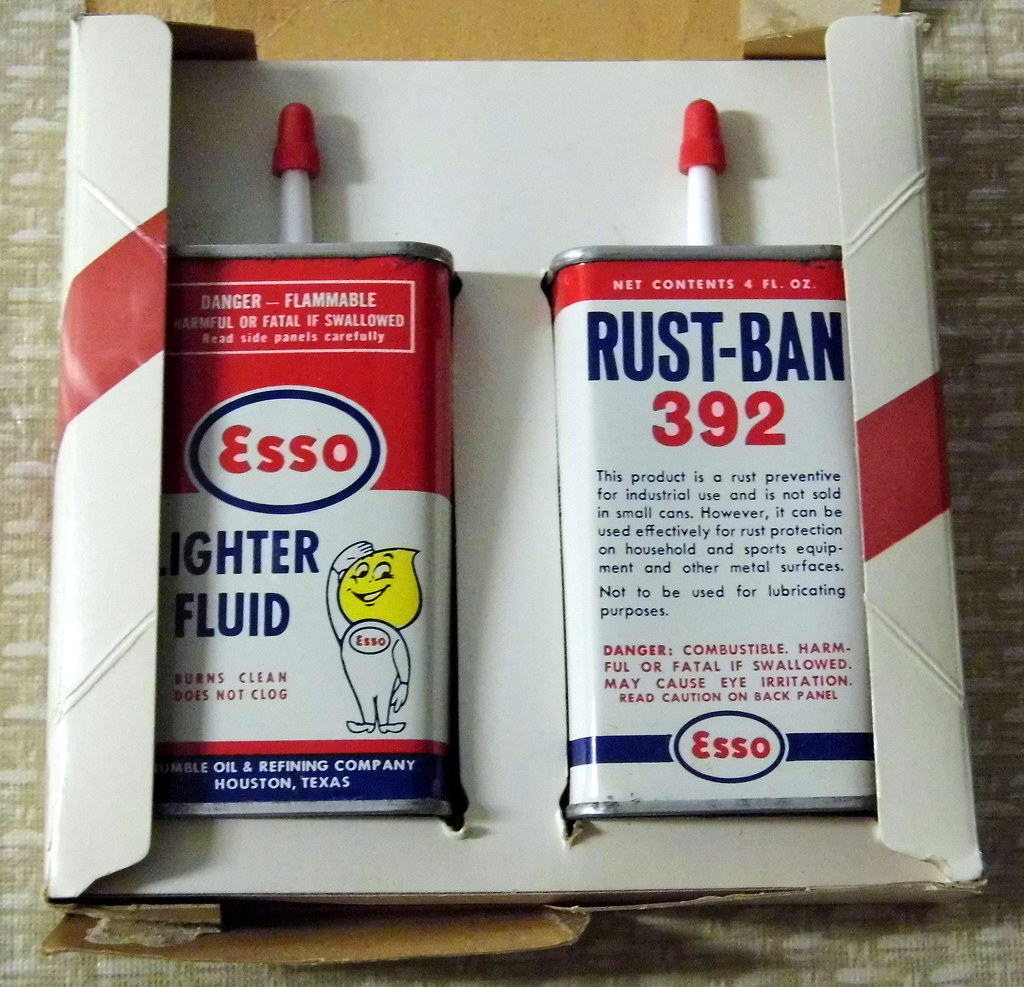
Finally, let’s talk about engine oil additives—those magic potions that claim to reduce friction and improve fuel economy. While a good oil can help your engine run smoother, slapping on an additive isn’t a replacement for regular maintenance. Many of these products promise the world but don’t live up to the hype when it comes to mileage improvements. It’s a bit like applying a fancy face cream and expecting to wake up with a Hollywood glow; it’s just not that simple.
Why Do We Fall for These Additives?
So, why do we keep falling for these additives? Well, it’s human nature to look for quick fixes. We want to believe that there’s an easy way to save money at the pump and squeeze more miles out of our cars. And who can blame us? With gas prices soaring and budgets tightening, the allure of a simple solution is hard to resist. It’s just a shame that, more often than not, these products don’t deliver on their promises.
The Bottom Line
If you’re looking to improve your fuel efficiency, you might be better off focusing on tried-and-true methods. Regular maintenance, keeping your tires properly inflated, and driving habits play a much bigger role in mileage than any magic potion you can pour into your tank. So, before you reach for that shiny bottle of fuel additive, take a moment to consider if it’s really worth it. Spoiler alert: often, it’s not.
In the end, while the thought of fuel additives can be enticing, let’s not forget that sometimes, the simplest solutions are the most effective. So, next time you’re in the auto parts aisle, remember: your wallet—and your car—might thank you for skipping the hype.
More from Steel Horse Rides: