

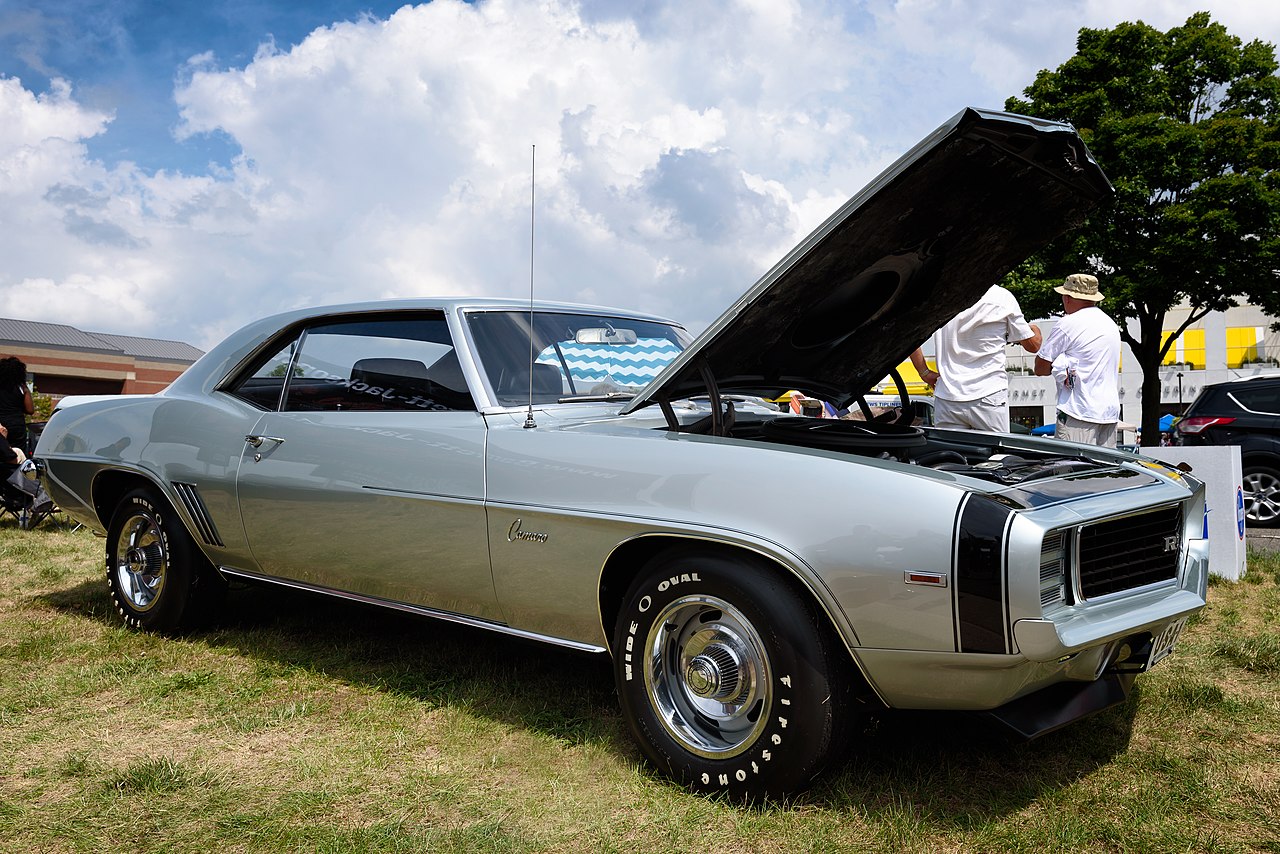
The 1970s marked a transformative era in the automotive world, with several iconic vehicles dominating the roads and influencing car culture. From muscle cars to compact models, these vehicles not only reflected the changing tastes of consumers but also adapted to the challenges of fuel crises and shifting regulations. Here’s a look at five cars that left an indelible mark on the automotive landscape during this dynamic decade.
1. Ford Mustang (1971-1973)
The Ford Mustang, originally introduced in 1964, continued to make waves into the early ’70s. By 1971, the Mustang had undergone a significant redesign, featuring a more aggressive stance and larger dimensions. This model was part of a broader shift in American muscle cars, as it now offered a range of engines, including a powerful 351 cubic inch V8 that produced 240 horsepower. The Mustang’s combination of style and performance helped solidify its status as a cultural icon.
2. Chevrolet Camaro (1970-1973)
Competing directly with the Mustang was the Chevrolet Camaro, which was first introduced in 1966. The second generation, launched in 1970, featured a sleeker design and improved handling. With its range of powerful engines, including the 350 V8 that delivered up to 250 horsepower, the Camaro quickly became a favorite among performance enthusiasts. By 1973, Chevrolet had sold over 1 million Camaros, showcasing its popularity in the muscle car market.
3. Volkswagen Beetle (1970-1979)
The Volkswagen Beetle, though originally launched in the 1930s, continued to be a best-seller throughout the ’70s. Its unique design and reliable performance appealed to a broad audience, making it a staple on American roads. By 1972, the Beetle became the best-selling car in history, surpassing the Ford Model T with over 15 million units produced. Its affordability and practicality made it an essential vehicle for families and young drivers alike.
4. Datsun 240Z (1970-1973)
The Datsun 240Z, introduced in 1970, represented a significant shift in the sports car market. With its sleek design and lightweight body, the 240Z offered a thrilling driving experience at a competitive price point. Equipped with a 2.4-liter inline-six engine producing 151 horsepower, it quickly gained popularity among sports car enthusiasts. By the end of its production run in 1973, Datsun had sold over 150,000 units, establishing the Z-series as a lasting symbol of Japanese engineering.
5. AMC Gremlin (1970-1978)
The AMC Gremlin was one of the first American compact cars, introduced in 1970 to cater to the growing demand for smaller, fuel-efficient vehicles. Its unconventional design, characterized by a short hatchback body, made it stand out in the crowded automotive market. With a starting price of around $1,900, the Gremlin appealed to budget-conscious buyers during the oil crisis of the mid-’70s. By the time it was discontinued in 1978, over 670,000 Gremlins had been sold, demonstrating its impact on American car culture.
The Impact of the ’70s Automotive Revolution
The 1970s were a pivotal decade for the automotive industry, marked by significant changes in consumer preferences and regulatory environments. Rising fuel prices, spurred by the 1973 oil crisis, forced manufacturers to innovate and adapt their vehicles to meet new demands for efficiency and sustainability. The cars from this era not only defined personal transportation for millions but also set the stage for future automotive advancements.
As the automotive industry continues to evolve, the legacy of these iconic cars remains relevant today. Collectors and enthusiasts seek out models from the ’70s, not only for their historical significance but also for their unique styling and performance characteristics. The nostalgia for this era fuels a vibrant classic car market, where vehicles like the Ford Mustang and Chevrolet Camaro continue to capture the imagination of new generations.
Why It Matters Today
Understanding the impact of these iconic cars from the ’70s is essential for anyone interested in automotive history, culture, or economics. These vehicles shaped consumer behavior and influenced design trends that are still evident in modern cars. As the industry moves toward electric and hybrid technologies, the innovations and experiences from the ’70s serve as a foundation for the future of transportation.
Car enthusiasts, collectors, and anyone with an appreciation for automotive history should