
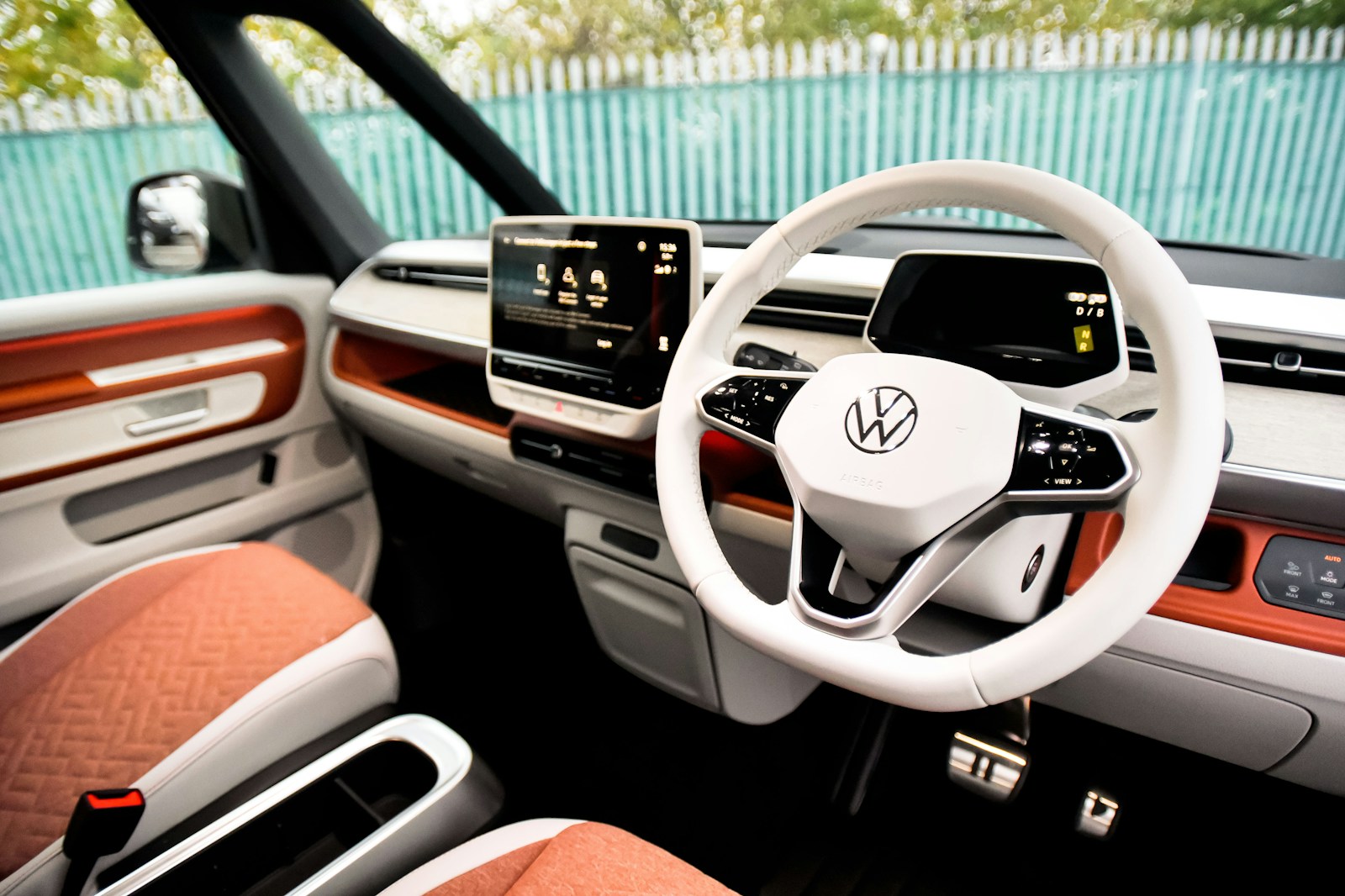

In March 2026, a new Volkswagen Golf rolls off the lot with something its predecessor lacked: physical buttons for the climate controls. Volkswagen added them back after years of owner complaints about the previous generation’s all-touch interface. It is not the only automaker reversing course. Hyundai, Porsche and others have quietly restored knobs and switches to cabins that had gone fully digital, and Euro NCAP now penalizes vehicles that force drivers to use a touchscreen for basic functions like adjusting temperature or the windshield wipers.
The retreat is an admission that the industry overshot. Across owner surveys, safety research and regulatory action on three continents, a consistent picture has emerged: certain technologies that were sold as upgrades have made everyday driving more distracting, more frustrating or both. Five categories draw the most complaints.
1. Infotainment Screens That Bury Basic Controls
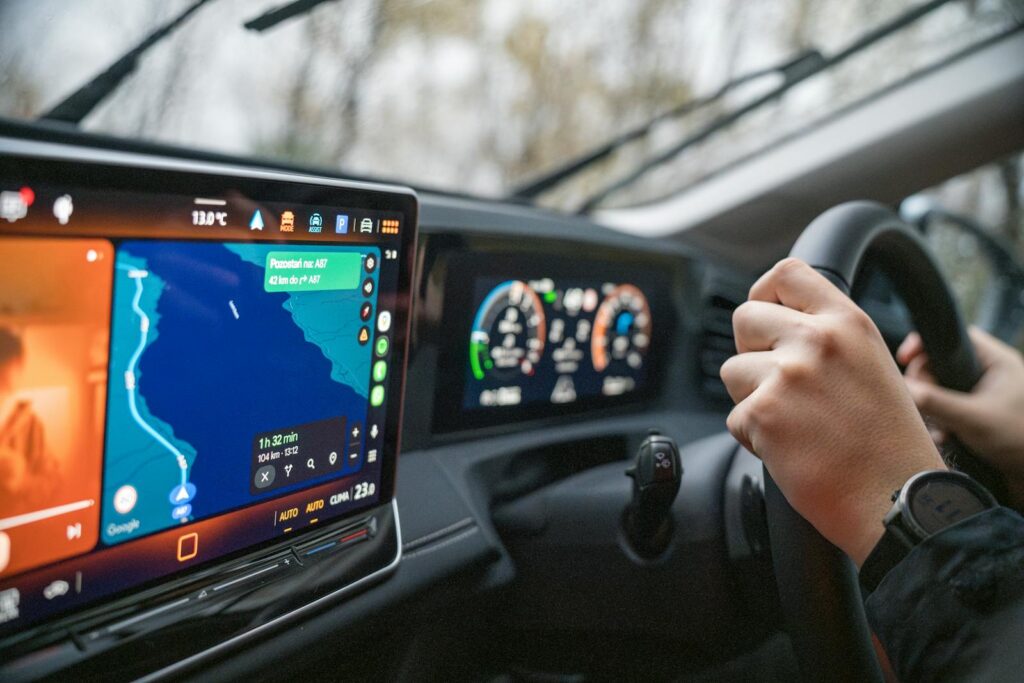
Touchscreens have replaced rows of knobs and buttons in nearly every segment, from subcompact hatchbacks to six-figure SUVs. The trade-off is real. A 2017 study by the AAA Foundation for Traffic Safety and the University of Utah tested 30 infotainment systems and found that many demanded dangerously high levels of visual and cognitive attention, particularly for multi-step tasks like programming navigation or adjusting climate settings. Glances away from the road lasting more than two seconds were common, and the researchers linked those glances to elevated crash risk.
That foundational research has only grown more relevant as automakers have pushed further into screen-only cabins. Tesla eliminated its last remaining stalk controls in the 2024 Model S and Model X refresh, routing turn signals and gear selection through the touchscreen or steering-wheel buttons. Owners of Volkswagen’s eighth-generation Golf flooded forums with complaints about haptic-touch climate sliders that were nearly impossible to use without looking down. The backlash was loud enough that Euro NCAP, the European vehicle safety body, updated its rating protocol: starting in 2026, cars that require a touchscreen to operate turn signals, hazard lights or windshield wipers will lose points, a change that effectively pressures every automaker selling in Europe to keep those functions on physical controls.
A Tempcover survey of UK motorists found that air conditioning controls topped the list of most irritating in-car tech, with 42 percent of respondents naming them. The technology itself is not the issue. The problem is that software menus have replaced tactile controls for tasks drivers perform dozens of times per trip, at exactly the moments when their eyes should be on the road.
2. High-Tech Door Handles That Complicate a Simple Task
Flush and retractable door handles have spread from Tesla and Range Rover to mainstream models from Ford, Hyundai and others. The aerodynamic benefit is measurable but modest, typically a few tenths of a drag coefficient point. The usability cost is less modest.
A Wall Street Journal report on driver frustrations with high-tech cars noted that door handles “used to be simple” and are now another piece of technology that can fail, particularly in freezing weather when ice prevents the small motors from presenting the handle. First responders have also raised concerns: in a crash, a bystander trying to open a door with an unfamiliar electronic release may lose critical seconds.
China moved first on regulation. Under national standard GB 44495-2024, which took effect in January 2026, all passenger vehicles sold in China must include a mechanical exterior door-release mechanism. The rule effectively bans the most extreme flush designs and forces automakers like Tesla and NIO to re-engineer handles for that market. It is a rare case of a styling trend running into a hard legal wall, driven by the concern that a basic safety function had become too clever for its own good.
3. Driver Assistance That Feels More Like Nagging
Advanced driver-assistance systems (ADAS) have a strong safety case. The Insurance Institute for Highway Safety has found that forward-collision warning with automatic emergency braking reduces rear-end crashes by roughly 50 percent. Lane-departure warning cuts relevant crashes by about 11 percent. These are meaningful numbers, and no serious critic argues the technology should disappear.
The complaint is about calibration. A This is Money survey of British motorists found that the engine stop-start function, lane-keeping nudges and automatic speed-limit alerts were among the most disliked features in new cars, with many drivers saying the systems activate at the wrong moments. Lane-keep assist, in particular, draws complaints about “ping-ponging” between lane markings on narrow roads and delivering sharp steering corrections that feel more alarming than the drift they are correcting.
Jalopnik reporting on features that make modern cars worse highlighted how some automatic lane-change and lane-centering systems cut in too aggressively, leading owners to label them “lane nannies” and disable them within days of purchase. The pattern creates a paradox: if drivers reflexively switch off assistance systems because the everyday experience is irritating, the safety benefit evaporates. Automakers that tune these systems for real-world comfort, not just test-track performance, stand to keep more drivers using them.
4. Tiny Shifters and Complex Start-Up Sequences
The traditional PRNDL lever is disappearing. In its place: rotary dials (Jaguar, some Chrysler models), toggle switches (GMC), column-mounted stubs (Mercedes-Benz) and, in Tesla’s case, a touchscreen swipe. The goal is to free up console space, but the result often trades muscle memory for momentary confusion.
A Forbes review of the 2018 GMC Terrain noted that the Reverse and Drive toggles were identical in shape and feel, forcing drivers to look down to confirm their selection. A MotorTrend test of the Maserati Levante S Q4 described shifting between Drive and Reverse as “an exercise in frustration,” with testers overshooting the intended gear because the selector lacked distinct detents.
These are not isolated quirks. NHTSA investigated Fiat Chrysler’s rotary shifter in the 2014-2015 Jeep Grand Cherokee after dozens of rollaway incidents, including one that killed actor Anton Yelchin in 2016. The investigation contributed to a recall of more than 1.1 million vehicles. The lesson was clear: when a gear selector does not give the driver unambiguous feedback, the consequences can be fatal.
Start-up sequences have grown more complex, too. Many new vehicles require the driver to press the brake, push a start button, wait for screens to boot, dismiss a series of legal and system-status pop-ups, and only then select a gear. For drivers who switch between vehicles regularly, or who rent cars while traveling, each unfamiliar ritual adds a few seconds of distraction in a parking lot or, worse, at a busy intersection.
5. A Constant Stream of Alerts, Beeps and Warnings
A modern car can monitor blind spots, lane position, following distance, speed limits, driver eye movement, tire pressure, seat-belt status and more, simultaneously. Each system has its own chime, icon or pop-up. Taken individually, every alert is defensible. Taken together, they can create a cockpit that feels like it is scolding the driver nonstop.
The Tempcover survey found that speed-limit notifications (15 percent of respondents) and parking sensors ranked among the most irritating technologies, even though both are designed to prevent collisions. The European Union’s Intelligent Speed Assistance mandate, which requires all new cars sold in the EU to include a speed-limit warning system, has amplified the issue: drivers in markets where the rule applies report frequent false readings from camera-based sign recognition, particularly in construction zones or on roads where posted limits change often.
The risk is what safety researchers call “alert fatigue.” When drivers are bombarded with low-priority warnings, they learn to dismiss or ignore them quickly, which means they may also dismiss the rare high-priority alert that signals a genuine emergency. The AAA Foundation’s distraction research supports this concern: any interface element that pulls a driver’s eyes from the road for more than two seconds increases crash risk, whether that element is a navigation input or a warning the driver is trying to swipe away.
Some automakers are beginning to address the problem. BMW and Mercedes-Benz now allow drivers to customize which alerts appear and at what thresholds. Volvo groups warnings by severity, suppressing minor notifications at highway speed. These are steps in the right direction, but the default experience in most new cars remains noisy.
Why Drivers Feel Cars Have Become Too Complicated
The thread connecting all five complaints is the same: automakers optimized for the showroom, not the commute. A giant touchscreen photographs well for a press release. Flush door handles look striking on a design-studio turntable. A long feature list justifies a higher sticker price. But none of that matters much to a driver who just wants to turn up the heat without taking their eyes off a highway merge.
The encouraging sign is that the correction is already underway. Euro NCAP’s 2026 protocol, China’s door-handle regulation, Volkswagen’s return to physical buttons and the growing willingness of owners to publicly rank their frustrations are all applying pressure in the same direction. The automakers that listen, building technology that stays out of the way until it is genuinely needed, will earn the loyalty of drivers who have had enough of fighting their own cars.
More from Wilder Media Group: