

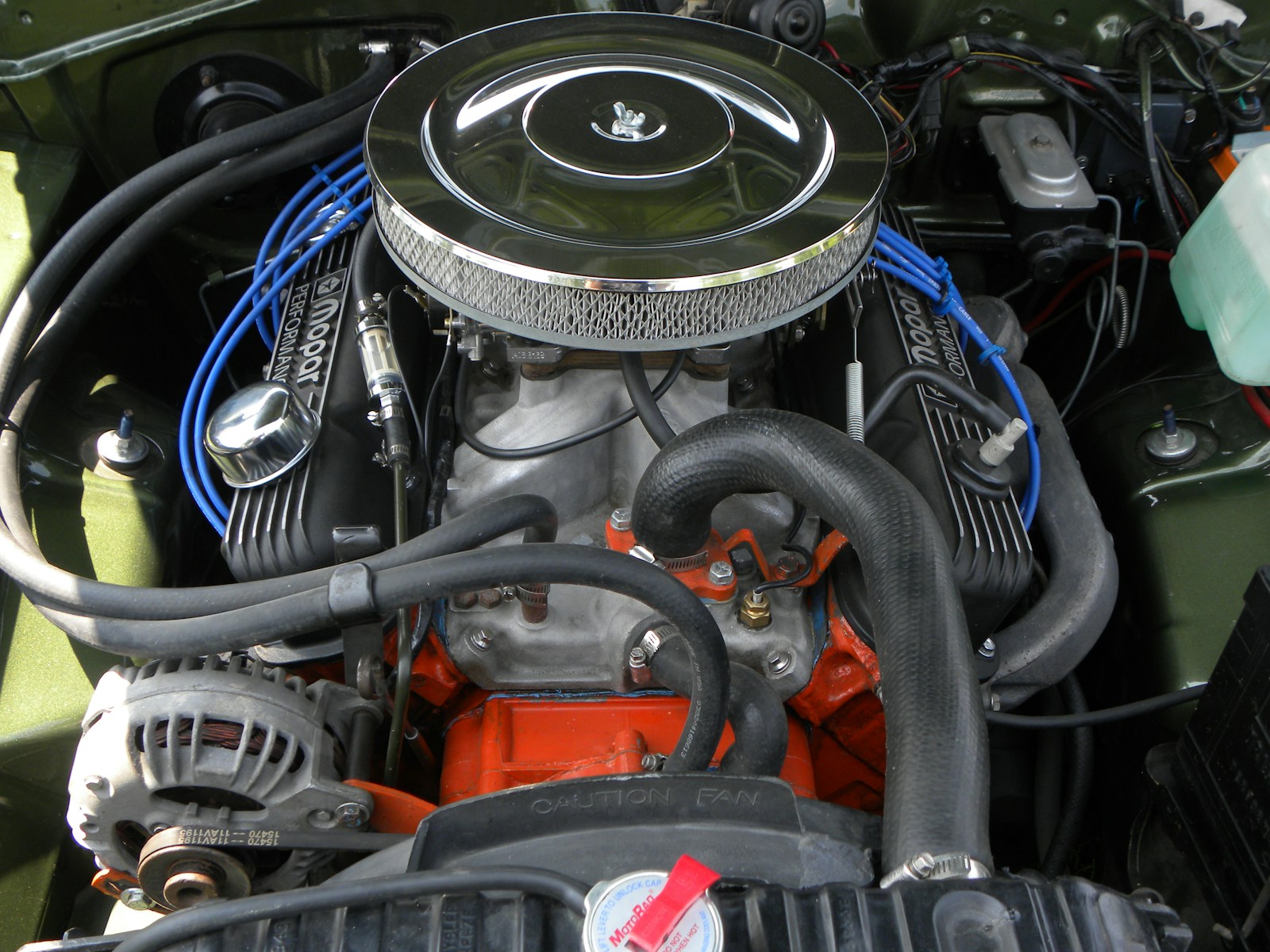
Car enthusiasts and everyday drivers alike often depend on reliable engines for performance and longevity. However, some car engines have gained notoriety for their poor design and reliability issues, affecting countless drivers and impacting automotive reputations. This article details five of the all-time worst car engines, highlighting their shortcomings and the consequences of these engineering failures.
1. Ford 6.0L Power Stroke Diesel (2003–2007)
The Ford 6.0L Power Stroke Diesel engine, used in the Super Duty trucks from 2003 to 2007, is infamous among truck owners. This engine was plagued by a series of problems, including head gasket failures, oil cooler malfunctions, and injector issues. The result was a significant number of warranty claims and repairs, costing owners thousands of dollars, with some estimates suggesting that repairs could exceed $10,000.
Many owners reported that they had to deal with frequent breakdowns and performance issues, leading to a tarnished reputation for Ford’s diesel engines. The 6.0L Power Stroke remains a cautionary tale for those considering purchasing a used Super Duty truck from this era.
2. Chevrolet 5.7L V8 (1990–1997)
Chevrolet’s 5.7L V8, commonly referred to as the “LT1,” was introduced in the early ’90s and initially gained popularity for its performance. However, this engine soon became notorious for its problems with oil consumption and premature failures. Many vehicles, including the 1992–1996 Chevrolet Corvette and various models of the Camaro, experienced issues, with an average of 15% of owners reporting significant engine troubles within the first few years of ownership.
The engine’s design flaws, particularly in the coolant passages, led to overheating and engine failure, prompting numerous recalls. The issues tarnished the reputation of Chevrolet’s performance engines for years, as many owners faced high repair costs and reliability concerns.
3. Volkswagen 2.0L Turbo (2006–2015)
The Volkswagen 2.0L Turbo engine, particularly in the 2006–2015 Audi A3 and VW GTI, has been labeled as one of the worst in the automaker’s history. While marketed for its efficiency and performance, this engine is infamous for its oil sludge problems, which can lead to catastrophic engine failure if not addressed promptly. Reports indicate that approximately 20% of owners experienced severe engine issues, often requiring costly repairs or full replacements.
The engine’s design made it susceptible to oil degradation, especially in vehicles driven under severe conditions. This has led to significant dissatisfaction among owners and has contributed to a diminished trust in Volkswagen’s engineering practices, especially concerning their turbocharged engines.
4. Chrysler 2.7L V6 (1998–2007)
The Chrysler 2.7L V6 engine, found in vehicles such as the Dodge Intrepid and Chrysler 300M, is notorious for its high failure rate. Many owners reported engine problems due to oil sludge buildup, which often resulted in complete engine failure. Industry estimates indicate that nearly 30% of these engines faced significant issues, leading to costly repairs averaging around $3,000 to $5,000.
The 2.7L V6 was designed with a timing chain that was prone to stretching and failure, exacerbating the engine’s reliability issues. As a result, Chrysler faced numerous class-action lawsuits from disgruntled owners, further damaging the brand’s reputation during this period.
5. Nissan 3.5L V6 (2002–2006)
Nissan’s 3.5L V6 engine, particularly in models like the Altima and Maxima from 2002 to 2006, has a mixed reputation, but many owners have flagged it as problematic. Common issues include excessive oil consumption and timing chain failures, with some reports indicating that up to 25% of owners experienced significant engine problems. The average repair cost for affected vehicles can range between $2,500 and $4,000.
While the engine was praised for its performance, the reliability issues overshadowed its capabilities. These problems prompted Nissan to extend warranties for affected models, but the damage to consumer trust was already significant, leading many to reconsider their loyalty to the brand.
Conclusion: Beware of These Engines
As automotive technology continues to evolve, understanding the history of problematic engines can help consumers make informed choices when purchasing vehicles. Owners of cars featuring these engines should be aware of the potential issues and costs associated with maintenance and repairs.