

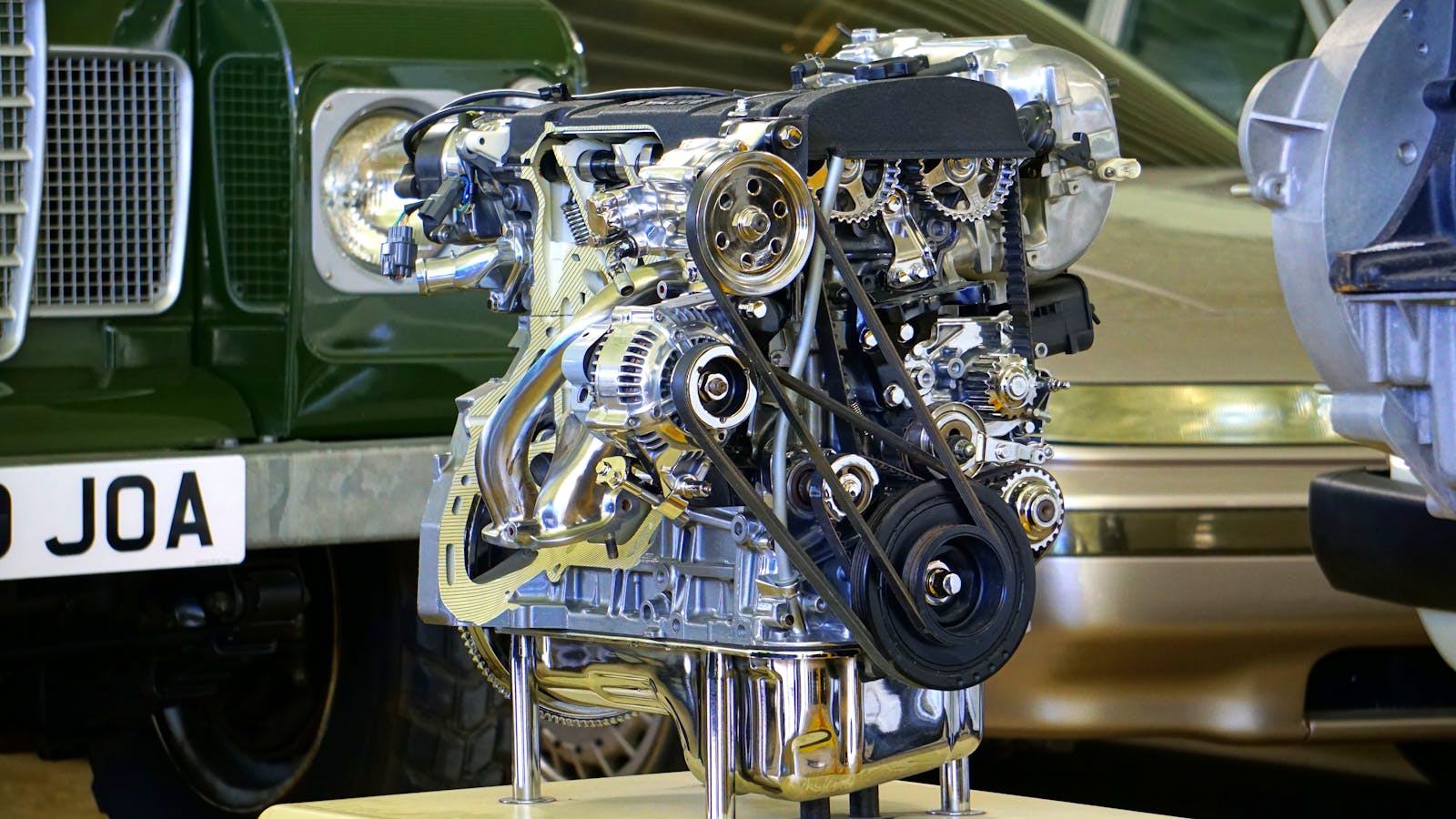
Automotive history is littered with engines that have gained notoriety for their poor performance, reliability issues, and overall design flaws. These problematic engines have not only disappointed drivers but have also cost manufacturers millions in warranty claims and recalls. Understanding the pitfalls of these engines can help potential car buyers make informed decisions when choosing their next vehicle.
1. Ford’s 6.0L Power Stroke Diesel (2003–2007)
The Ford 6.0L Power Stroke Diesel engine, used in models such as the F-250 and F-350 Super Duty trucks from 2003 to 2007, has a reputation for being one of the worst diesel engines ever made. This engine was plagued with issues, including head gasket failures and fuel injector problems, leading to significant engine failures. Ford had to spend an estimated $1 billion on warranty repairs and recalls, leaving many owners frustrated with their investment.
2. General Motors’ 5.3L V8 (2007–2014)
While many drivers initially praised the 5.3L V8 engine for its power and fuel efficiency, its reliability quickly came into question. Found in popular models like the Chevrolet Silverado and GMC Sierra, the 5.3L engine suffered from excessive oil consumption and a known issue with the Active Fuel Management system, which could lead to engine knocking and premature wear. As of 2021, General Motors faced numerous lawsuits related to this engine, highlighting the ongoing impact of its design flaws.
3. Chrysler’s 2.7L V6 (1998–2007)
The Chrysler 2.7L V6 engine, used in vehicles like the Dodge Intrepid and Chrysler 300M, is infamous for its catastrophic engine failures. This engine was designed with a timing chain that could stretch over time, leading to severe damage. Reports indicated that many owners experienced engine failures within 100,000 miles, resulting in repair costs exceeding $4,000 in some cases. The 2.7L V6’s legacy serves as a cautionary tale for those considering used Chrysler models from this era.
4. Volkswagen’s 2.0L TDI (2009–2014)
Volkswagen’s 2.0L TDI engine became infamous due to the emissions scandal that erupted in 2015, revealing that the company had intentionally manipulated emissions tests. While the engine was marketed for its impressive fuel economy, it was later discovered to have performance issues and reliability concerns, particularly with the diesel particulate filter. The fallout from the scandal led to an estimated $30 billion in fines and settlements for Volkswagen, significantly affecting their reputation and sales worldwide.
5. Nissan’s 2.5L Inline-4 (2007–2012)
The Nissan 2.5L inline-four engine, found in models like the Altima and Sentra, is another engine that has faced scrutiny for reliability issues. Many owners reported excessive oil consumption and engine knocking, leading to significant repair costs. Nissan eventually acknowledged the problem, offering extended warranties for affected vehicles, but the damage was done, with many customers losing faith in the brand. The 2.5L’s performance in the market has led to a decline in used car values for models equipped with this engine.
Conclusion
The engines listed above have left a lasting impact on both drivers and manufacturers, illustrating the importance of choosing vehicles with reliable powertrains. As automotive technology continues to evolve, buyers must remain vigilant and conduct thorough research before making a purchase. Understanding which engines have historically underperformed can help avoid costly repairs and disappointment down the road. If you are in the market for a new or used vehicle, be sure to check reviews and reliability ratings to ensure you don’t end up with one of these notorious engines.
For car buyers, knowledge is power. Stay informed and make your next vehicle decision wisely to avoid being caught in the pitfalls of poorly designed engines.