
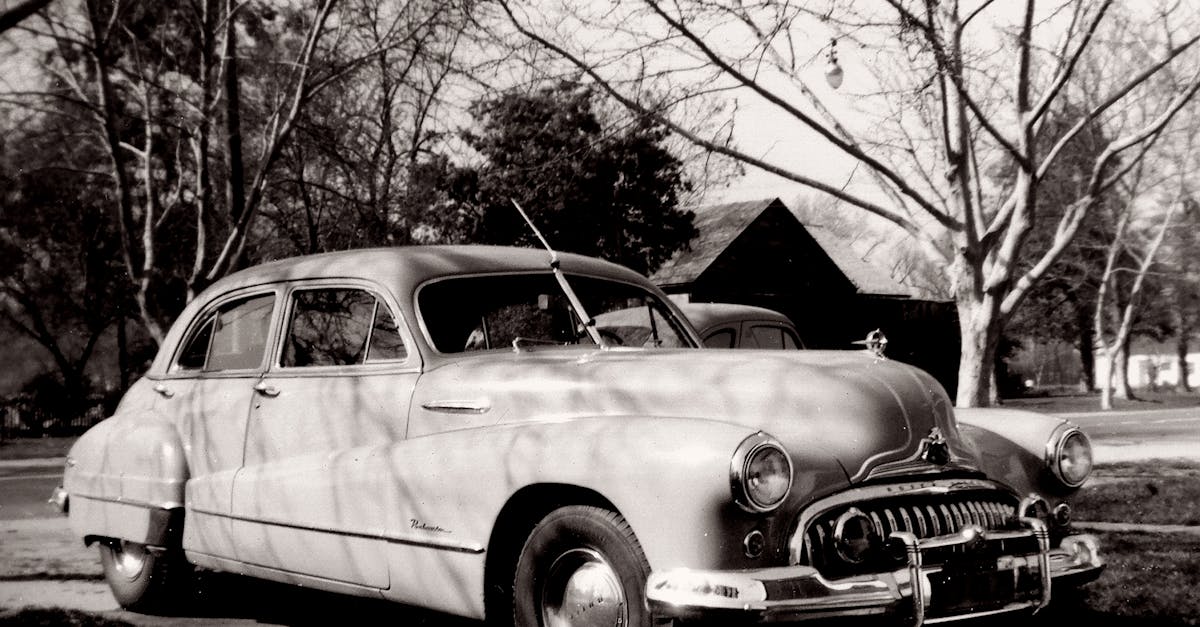

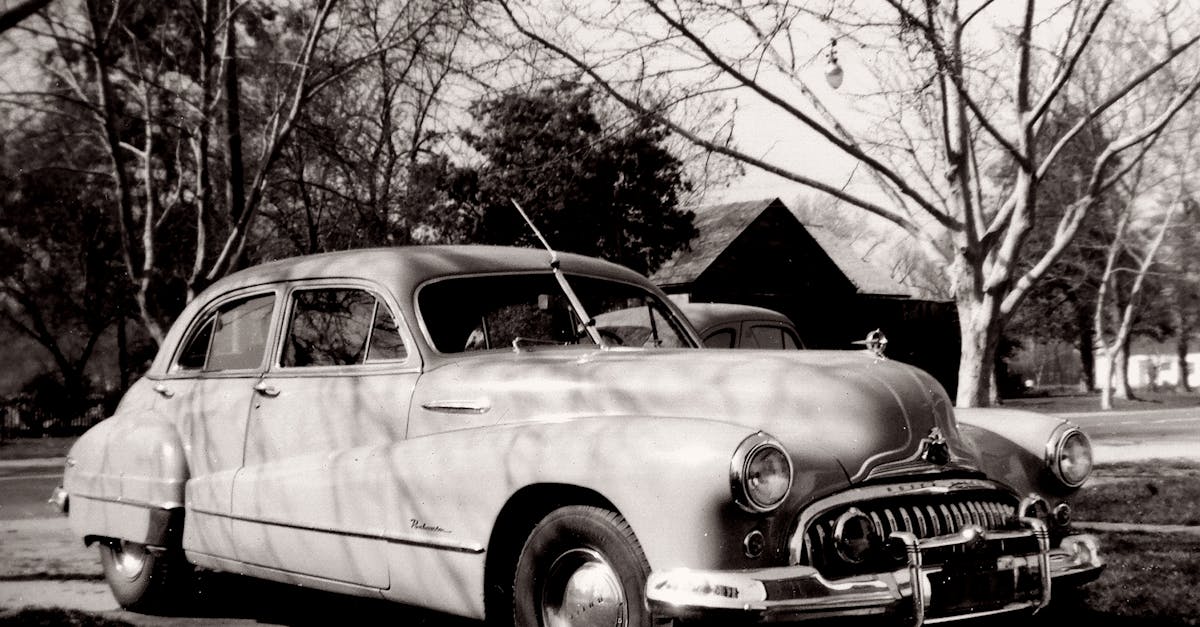
The automotive industry has seen its fair share of innovative designs, but the Boomer era (roughly the mid-1940s to early 1970s) also produced vehicles that are now considered some of the worst in history. These missteps not only impacted manufacturers but also left lasting impressions on consumers, affecting brand loyalty and resale values. Below, we explore five notable examples of poorly designed cars from this period, highlighting their design flaws and the lessons learned from these automotive blunders.
1. Ford Edsel (1958-1960)
The Ford Edsel is widely regarded as one of the biggest flops in automotive history. Launched with great fanfare, the Edsel was designed to capture the hearts of American consumers, but it ultimately fell flat. Many criticized its controversial “horse collar” grille and awkward proportions, which did not resonate with buyers. Ford produced over 100,000 Edsels before discontinuing it in 1960, resulting in substantial financial losses estimated at $350 million, a staggering amount for that era.
2. Chevrolet Corvair (1960-1969)
The Chevrolet Corvair, particularly the 1960 model, is often remembered for its unique design and rear-engine layout. However, it also earned notoriety due to safety concerns highlighted by Ralph Nader’s book “Unsafe at Any Speed.” The Corvair was criticized for its tendency to oversteer and roll over, prompting a significant decline in sales. With only 1.8 million units sold over its production run, the Corvair serves as a cautionary tale about prioritizing style over safety.
3. AMC Pacer (1975-1980)
The AMC Pacer was marketed as a compact car with a spacious interior, but its distinctive “fishbowl” design quickly became a target for ridicule. The large glass area and wide body were intended to offer a modern aesthetic, but they resulted in poor aerodynamics and fuel efficiency. The Pacer, which sold around 280,000 units during its production, is often remembered more for its quirky appearance than for any practical advantages. Its design has since become emblematic of the excesses of the 1970s automotive era.
4. Chrysler Cordoba (1975-1983)
The Chrysler Cordoba was introduced as a luxury coupe but is often remembered for its questionable design choices, particularly its faux-wood paneling and plush interior. While it was marketed with the tagline “the car with the rich Corinthian leather,” many found the design to be gaudy and outdated. The Cordoba sold over 150,000 units in its first year but quickly lost appeal, illustrating the pitfalls of prioritizing style over substance in car design.
5. Volkswagen Type 181 (The Thing) (1969-1983)
The Volkswagen Type 181, commonly known as “The Thing,” was intended as a utilitarian vehicle for military and civilian use. Its boxy shape and lack of refinement drew mixed reactions from consumers. While some appreciated its ruggedness, others criticized it as being impractical and uncomfortable for everyday driving. Only around 90,000 units were sold in the U.S. during its run, making it a rare sight today but also a reminder of the challenges faced by manufacturers attempting to blend functionality with design.
Conclusion
While the Boomer era produced some iconic vehicles, it also yielded several designs that have been widely criticized and ultimately failed to meet consumer expectations. From the ill-fated Ford Edsel to the unconventional AMC Pacer, these vehicles highlight the importance of balancing aesthetics with functionality and safety. As automotive technology continues to evolve, it is crucial for manufacturers to learn from these historical missteps to avoid repeating the same mistakes.
Stay informed about the latest automotive trends and designs that are shaping the future of driving. Don’t miss out on updates that could help you make informed decisions about your next vehicle purchase.