


Picture this: you’re cruising along, the sun’s shining, and suddenly, those familiar flashing lights pop up in your rearview mirror. Your heart races, and you pull over, but do you know what rights you have during that traffic stop? Spoiler alert: it’s more than just “please don’t give me a ticket.” Most folks don’t realize they have specific rights that can make a big difference in those tense moments. Let’s break down five essential rights every driver should know.
You Have the Right to Remain Silent
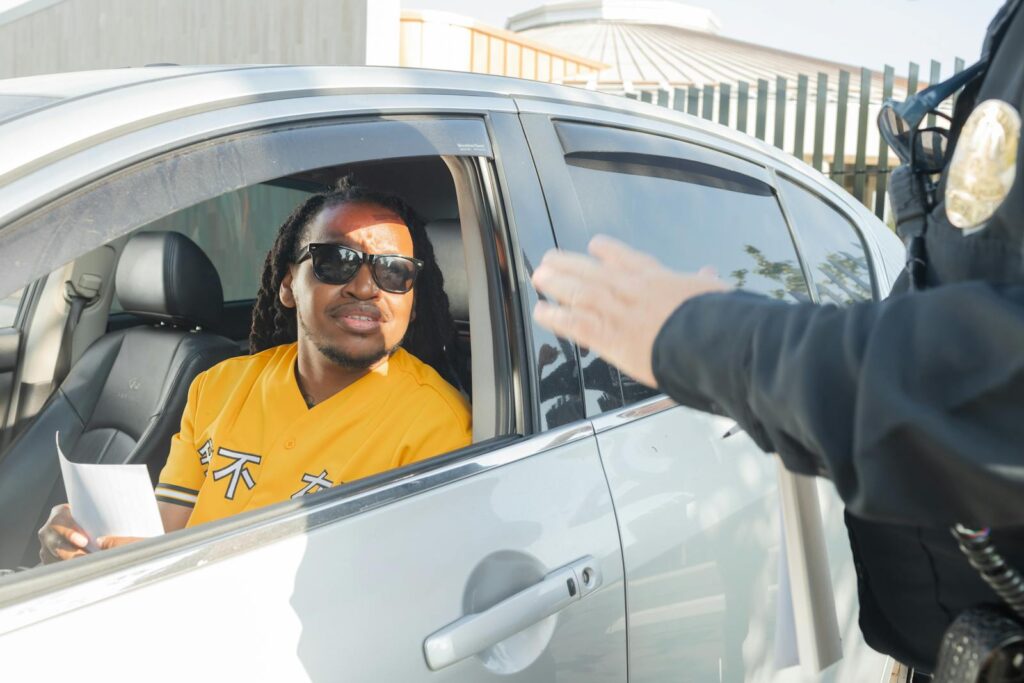
First things first: you have the right to remain silent. Yep, you heard me right! Just like in the movies, you don’t have to answer every question the officer throws your way. If you’re feeling nervous or unsure, it’s completely okay to say, “I’d prefer not to answer any questions without a lawyer present.” Just remember, while you can stay silent, it’s best to communicate respectfully. So, no rolling your eyes or crossing your arms — we don’t want to escalate things, do we?
You Can Ask if You’re Free to Go
Ever felt like you were stuck in a never-ending conversation? You’re not alone! During a traffic stop, you’ve got the right to ask, “Am I free to go?” If the officer says yes, you can politely leave. If they say no, then it’s likely you’re being detained, and it’s important to know why. Just keep in mind, if they’re not letting you go, there’s probably a reason, so stay calm and collected. No need to audition for a reality show, right?
You Have the Right to Record the Interaction
In this age of smartphones, you can totally document your traffic stop. You have the right to record the encounter, whether it’s video or audio. Just give the officer a heads-up that you’re recording — it’s a simple courtesy that can go a long way. Plus, having a record can be super helpful if things take a turn. Who knows, you might even catch a viral moment. “Traffic Stop Gone Wrong” could be the next big hit on social media!
You Can Refuse a Search (Under Certain Conditions)
Here’s where it gets a bit tricky, but stick with me. You generally have the right to refuse a search of your vehicle unless the officer has probable cause, consent, or a warrant. If they ask to search your car, it’s perfectly fine to say, “I don’t consent to a search.” Just remember, if they have a legitimate reason to search (like seeing something suspicious), it’s game over for that right. Think of it as a friendly negotiation — “I’d rather not, but let’s see how this plays out.”
You Have the Right to a Ticket Instead of Arrest
Last but not least, let’s chat about tickets versus arrests. Believe it or not, if you’re pulled over for something minor, like a speeding ticket, you have the right to be issued a ticket instead of being arrested. Most officers prefer to give tickets for these minor offenses because it’s quicker and easier for everyone involved. If you feel like the officer is being a bit too harsh, it’s totally reasonable to ask, “Is there a chance I can just receive a ticket instead of being arrested?” Just keep your tone friendly and polite — after all, they’re human too!
Wrapping It Up
So there you have it! Knowing your rights during a traffic stop can help ease the tension and keep things civil. It’s all about staying calm, respectful, and informed. Sure, nobody loves getting pulled over, but understanding your rights can make the experience a little less daunting. And hey, the next time those flashing lights appear in your rearview, you’ll be ready to handle it like a pro. Just remember, whether it’s a ticket or a warning, it’s all part of the ride — and sometimes, it makes for a great story later on!
More from Wilder Media Group: