

The allure of sports cars has captivated generations, but for Baby Boomers, certain models epitomized the freedom and glamour of the post-war era. From the sleek lines to the roaring engines, these vehicles turned everyday drives into cinematic experiences. This article explores five iconic sports cars that not only defined the automotive landscape but also made Boomers feel like stars on the silver screen.
1. Ford Mustang (1964–1966)
Launched in 1964, the Ford Mustang revolutionized the automotive market and became a symbol of American muscle. With its powerful V8 engine options and customizable features, the Mustang attracted a youthful demographic seeking style and performance. By 1966, Ford had sold over 600,000 units, cementing its status as a cultural icon. Many Boomers recall the thrill of driving a Mustang, often associating it with the adventurous spirit of the 1960s.
2. Chevrolet Corvette (1963–1967)
The Chevrolet Corvette is synonymous with American sports cars, particularly the second-generation model released in 1963. Known as the “Sting Ray,” this version introduced a sleek design and advanced engineering that appealed to Baby Boomers. With a top speed exceeding 150 mph and a 0-60 mph time of just 5.4 seconds, it was designed for performance enthusiasts. The Corvette’s appearance in movies like “Route 66” and “The Graduate” further solidified its status as a symbol of wealth and sophistication.
3. Porsche 911 (1964–1989)
First introduced in 1964, the Porsche 911 quickly became a benchmark for sports cars worldwide. Its distinctive design and rear-engine layout set it apart from competitors. The 911 has seen continuous evolution, but Boomers fondly recall the classic models from the 1960s and 1970s, which offered both speed and elegance. By 1989, over 200,000 units had been sold, making it one of the best-selling sports cars of all time. The Porsche 911 not only appealed to driving enthusiasts but also served as a status symbol among affluent Boomers.
4. Jaguar E-Type (1961–1975)
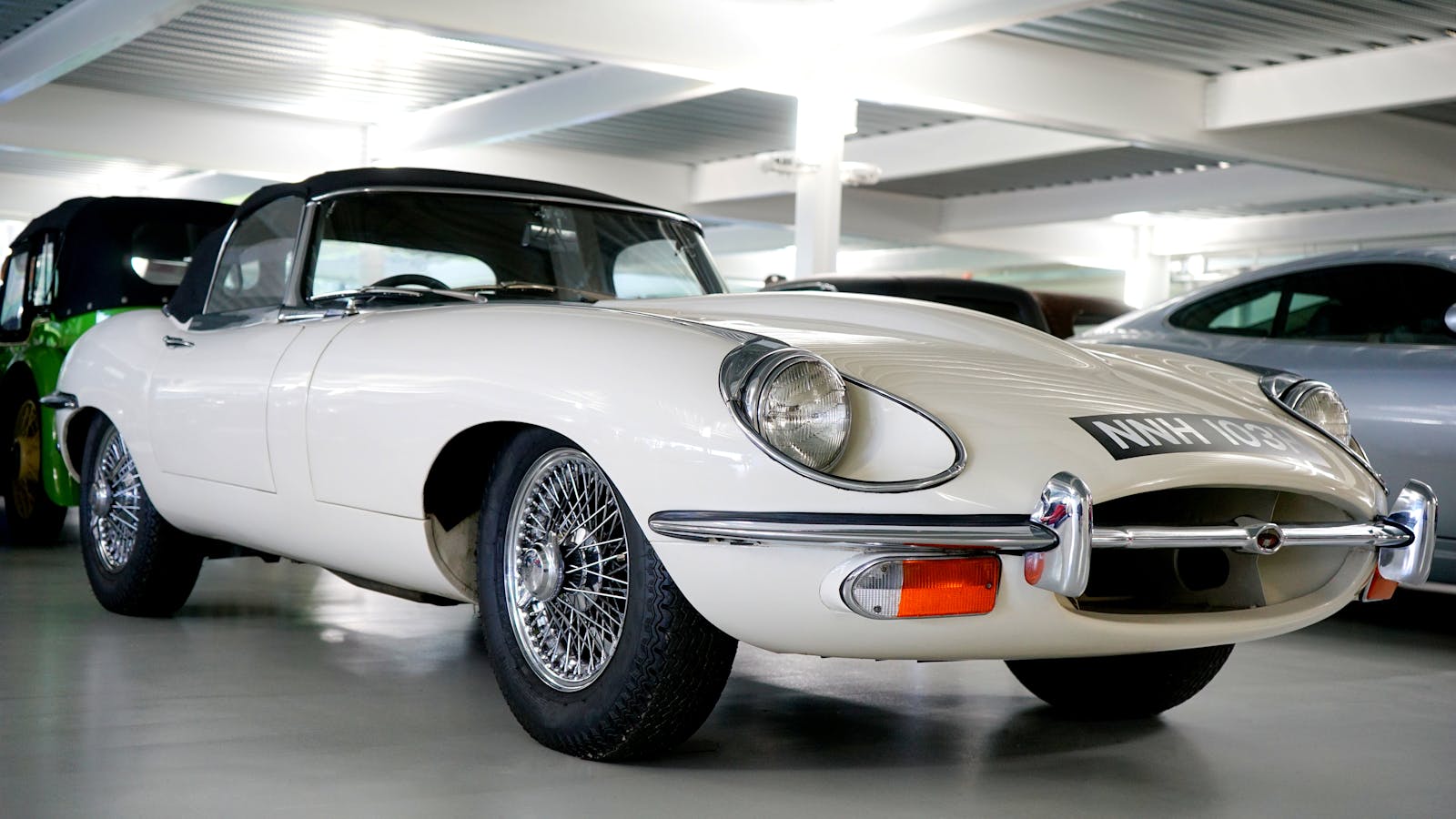
The Jaguar E-Type debuted in 1961 and was hailed as one of the most beautiful cars ever made. With a top speed of 150 mph and an iconic design, the E-Type was a favorite among celebrities and high-profile figures. Notably, it was featured in the classic film “Austin Powers: International Man of Mystery,” which further solidified its status in popular culture. With approximately 70,000 units produced during its run, the E-Type remains a dream car for many Boomers who long for the elegance and style of the 1960s.
5. Datsun 240Z (1969–1978)
The Datsun 240Z emerged in 1969 as a more accessible sports car that appealed to a wider audience. With a blend of performance, affordability, and reliability, it quickly gained popularity among Baby Boomers looking for an exhilarating driving experience without breaking the bank. The 240Z featured a 151-horsepower engine, allowing it to go from 0 to 60 mph in just 8 seconds. Over its production run, Datsun sold over 150,000 units, making it a beloved choice for those yearning for the thrill of sports cars without the hefty price tag.
Legacy and Impact
The sports cars of the Baby Boomer era did more than offer speed and style; they represented a cultural shift toward personal freedom and self-expression. For many, owning these vehicles was akin to stepping into a movie star’s shoes, embodying a lifestyle filled with excitement and luxury. The societal changes of the 1960s and 1970s, including the rise of youth culture and the expansion of the middle class, contributed to the popularity of these cars.
As Baby Boomers age, the nostalgia for these iconic sports cars remains robust. Car shows, classic car clubs, and vintage car auctions continue to thrive, allowing enthusiasts to relive the golden age of automotive design. Many Boomers are now investing in these vehicles as classic collectibles, further adding to their allure and market value.
Conclusion
The sports cars that defined the Baby Boomer generation are more than mere vehicles; they are symbols of an era marked by innovation, freedom, and style. From the Ford Mustang to the Datsun 240Z, these cars made millions feel like movie stars, and their legacy continues