

Several sports cars have generated significant excitement with their impressive specifications and performance metrics, only to leave enthusiasts disappointed once they hit the road. These vehicles, touted for their speed, handling, and cutting-edge technology, often underperform compared to their impressive numbers. This trend affects consumers who invest in these vehicles expecting high performance and enjoyment, only to find that real-world results fall short of expectations.
1. Ferrari F430 (2005–2009)
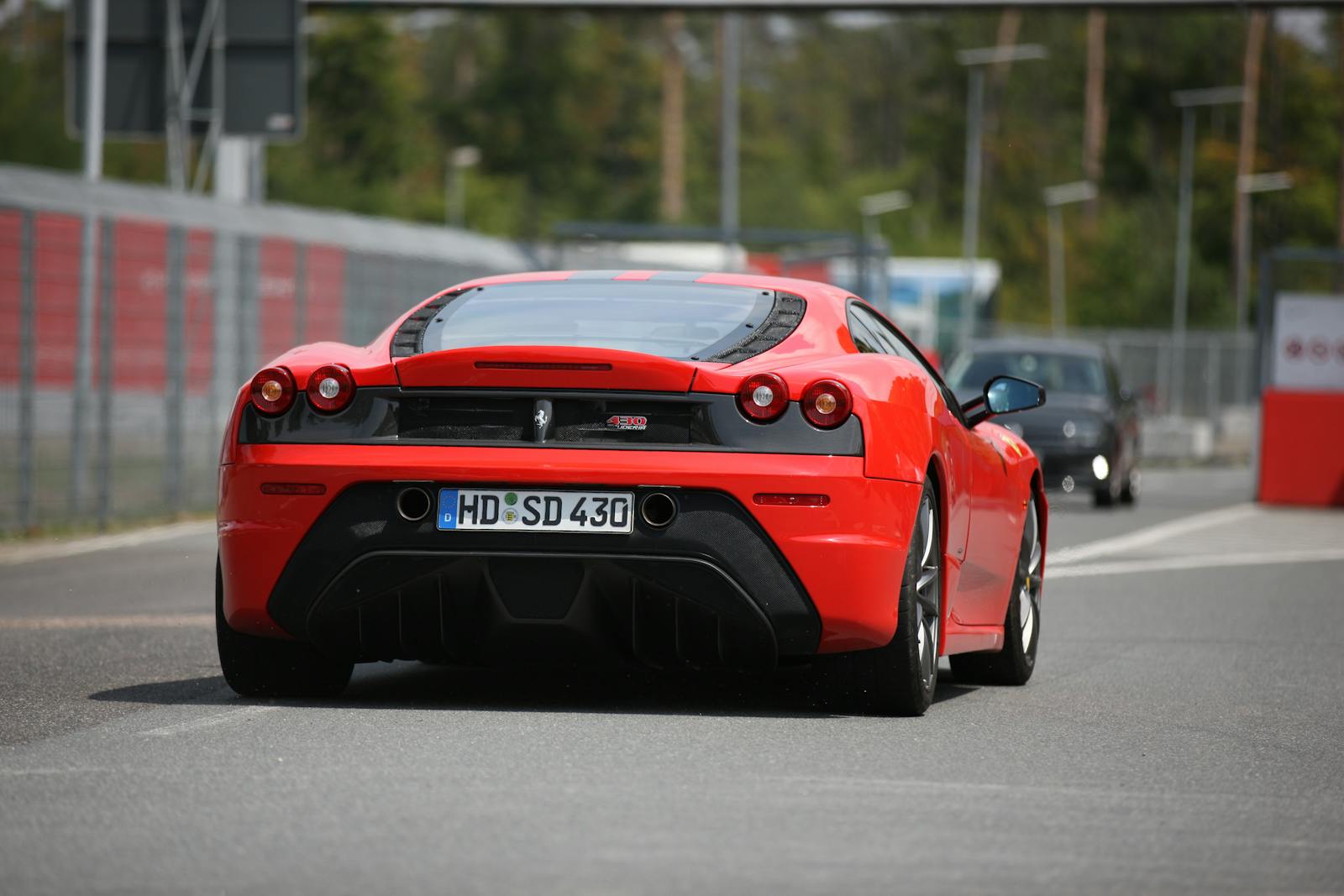
The Ferrari F430 is often hailed as one of the iconic models of the Italian brand, boasting a 4.3-liter V8 engine capable of delivering 503 horsepower. On paper, the car’s 0-60 mph time of 3.6 seconds and a top speed of approximately 196 mph position it as a high-performance vehicle. However, many drivers report that the F430’s handling can feel less refined than expected, especially in everyday driving conditions, making it a challenging car to appreciate fully outside of a racetrack.
2. BMW M3 E92 (2007–2013)
The BMW M3 E92, with its 4.0-liter V8 engine producing 414 horsepower, appears to be a performance powerhouse. Its specifications suggest a thrilling driving experience, with a 0-60 mph time of just 4.1 seconds. Yet, numerous reviews point out that the car’s driving dynamics do not always align with its sporty intentions. Owners frequently cite issues with throttle response and a less engaging steering feel, which diminish the excitement promised by its impressive stats.
3. Chevrolet Corvette C7 (2014–2019)
The Chevrolet Corvette C7 is often celebrated for its affordability and stunning performance metrics, including a 0-60 mph time of 3.8 seconds and a top speed of 190 mph, powered by a 6.2-liter V8 engine that generates 455 horsepower. However, many drivers have expressed disappointment with the car’s build quality and interior ergonomics. Reports of subpar materials and fit-and-finish issues have overshadowed its performance capabilities, leading to the realization that not all sports cars can deliver both speed and comfort.
4. Nissan 370Z (2009–2020)
The Nissan 370Z has been a favorite among enthusiasts due to its sleek design and a 3.7-liter V6 engine that produces 332 horsepower. With a 0-60 mph time of around 5.0 seconds, the car’s performance figures are commendable on paper. However, the 370Z has faced criticism for its aging technology and interior design, which feel dated compared to competitors. As newer models continuously enter the market with advanced features, the 370Z struggles to maintain its appeal beyond its performance specs.
5. Ford Mustang GT (2015–2023)
The Ford Mustang GT, equipped with a 5.0-liter V8 engine generating 450 horsepower, boasts impressive numbers, including a 0-60 mph time of approximately 4.2 seconds. On paper, it promises an exhilarating driving experience that captures the essence of American muscle. However, many drivers have noted that the Mustang’s handling can be less precise than expected, particularly in high-speed cornering situations. These shortcomings can lead to a disconnect between the anticipated and actual driving experience.
Conclusion
While these sports cars are often celebrated for their impressive specifications, they exemplify the gap that can exist between performance metrics and actual driving experiences. Consumers looking to invest in high-performance vehicles should consider these discrepancies to avoid potential disappointment. Before making a purchase, it’s crucial to conduct thorough research, read reviews, and, if possible, take a test drive to ensure the vehicle meets personal expectations.
As the automotive market continues to evolve, consumers should stay informed about which models deliver on their promises. It’s essential to balance performance specifications with real-world feedback to make the most informed purchasing decision. Don’t let flashy numbers fool you—do your homework before investing in your next sports car.