


A brake pad that squeals for two weeks before a driver books an appointment. A faint hum from the front wheel that gets written off as road noise. A flooded intersection crossed at speed because the water “didn’t look that deep.” None of these moments feel like emergencies, and that is exactly why they end up costing so much.
According to AAA’s annual driving cost analysis, the average American spends more than $1,000 a year on vehicle maintenance and repairs alone. Much of that spending is reactive, triggered by problems that could have been caught earlier or avoided entirely. The habits below are among the most common and most quietly destructive.
1. Components That Fail Without Warning
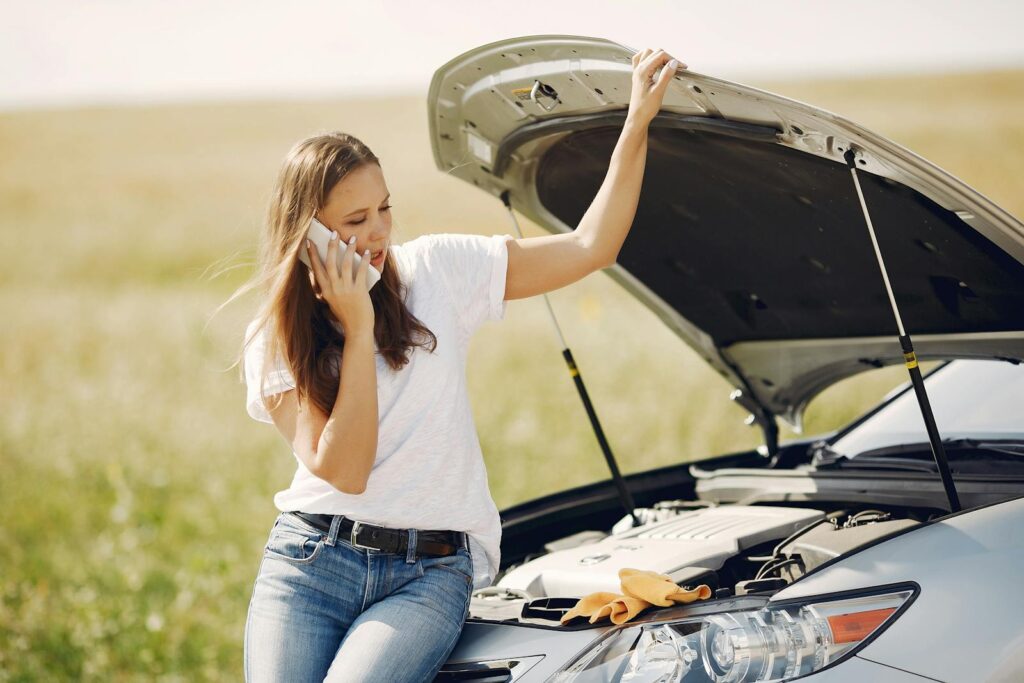
Not every failing part announces itself with a dashboard light. Fuel pumps, wheel bearings, engine mounts, and electronic control modules can all deteriorate gradually, producing symptoms so subtle that most drivers miss them.
A weakening fuel pump, for example, may cause nothing more than an occasional hard start or a brief hesitation when merging onto a highway. By the time the engine stalls outright, the repair often includes a tow and several hours of labor because the pump sits inside the fuel tank on most modern vehicles. The National Highway Traffic Safety Administration (NHTSA) tracks component-related complaints and recalls, and fuel system issues consistently rank among the most reported problems.
Wheel bearings follow a similar pattern. The early symptom is a low hum that changes pitch with vehicle speed, easy to confuse with tire noise. Left alone, a failed bearing can damage the hub assembly and, in extreme cases, cause a wheel to seize. According to RepairPal, replacing a single wheel bearing typically runs between $300 and $700, but the bill climbs fast if the hub or brake components are damaged in the process.
The best defense is a simple one: pay attention to any new noise, vibration, or change in how the car starts or drives, and mention it to a technician at the next service visit. Catching a worn part before it fails completely is almost always cheaper than dealing with the collateral damage.
2. Potholes and Speed Bumps at Full Speed
Potholes are not just annoying. They are impact events. When a tire drops into a pothole at 30 mph or more, the force can bend an alloy wheel, pinch a sidewall hard enough to cause a bubble or blowout, and knock the suspension out of alignment in a single hit.
AAA has estimated that U.S. drivers pay roughly $3 billion a year in pothole-related vehicle repairs, with the average individual claim running around $300. That figure covers the straightforward cases. When a bent wheel goes unnoticed, the resulting vibration stresses tie rods, ball joints, and bushings over weeks and months, compounding the original damage.
Speed bumps create a similar risk when taken too fast. The abrupt compression can blow out a shock absorber, crack a plastic underbody shield, or damage exhaust hangers. Drivers who commute through urban areas with poor road surfaces should budget for more frequent alignment checks, roughly every 6,000 to 10,000 miles, rather than waiting for the standard annual interval.
The fix costs nothing: slow down. Letting the suspension absorb the impact gradually is the difference between a minor jolt and a repair bill.
3. Transmission Damage From Careless Shifting
Shifting from drive to reverse (or vice versa) while the car is still rolling, even at walking speed, forces the transmission to absorb momentum that should be handled by the brakes. Over time, this wears clutch packs and internal bands far faster than normal use.
The RAC, one of the UK’s largest motoring organizations, warns that aggressive engine braking and high-speed downshifts also accelerate drivetrain wear, particularly in vehicles that are towing or carrying heavy loads. In automatic transmissions, these habits overheat the fluid, which breaks down its lubricating and cooling properties and leads to hard shifts or slipping.
Transmission replacement is one of the most expensive repairs a driver can face. According to industry repair estimates, rebuilding or replacing an automatic transmission typically costs between $3,000 and $6,000, depending on the vehicle. For older cars, that figure can exceed the vehicle’s resale value, turning a fixable problem into a total loss.
The rules are simple: come to a full stop before shifting between drive and reverse, use the brake pedal rather than the gearbox to manage speed on descents, and never exceed the towing capacity listed in the owner’s manual. For manual transmission drivers, avoiding clutch riding in traffic and resisting the urge to launch at high RPM will extend clutch life significantly.
4. Water Damage and the “It Dried Out” Myth
Driving through standing water is one of the fastest ways to cause catastrophic engine damage. If water enters the air intake and reaches the cylinders, the result is hydrolock: because water does not compress like air, the pistons slam into an incompressible barrier, bending connecting rods and potentially destroying the engine block. One flooded intersection can total a car.
Even when the engine survives, water intrusion causes problems that surface weeks or months later. Moisture in wiring connectors corrodes terminals and creates intermittent electrical faults. ABS sensors, airbag modules, and body control units are all vulnerable. Consumer Reports advises drivers to avoid any standing water where the depth is uncertain, noting that as little as six inches of fast-moving water can sweep a vehicle off the road.
Weather also degrades vehicles in less dramatic ways. Prolonged UV exposure dries out rubber door and window seals, which then leak during rainstorms. Water that reaches the cabin soaks carpet padding and sound-deadening material, creating conditions for mold growth and hidden rust on floorpans. Parking in shade, using windshield sunshades, and periodically treating rubber seals with a silicone-based conditioner are low-cost steps that slow this deterioration.
Anyone who has driven through deep water should have the vehicle inspected promptly. Checking differential and transmission fluid for contamination, inspecting brake components, and scanning for stored electrical fault codes can catch damage before it compounds.
5. Ignoring Warning Signs and Skipping Scheduled Maintenance
The pattern behind most expensive repairs is the same: a small, cheap problem is ignored until it becomes a large, expensive one.
Brake pads are a textbook example. The metallic squeal that worn pads produce is a built-in warning. Replacing pads typically costs between $150 and $300 per axle, according to RepairPal. Ignore the noise for another month, and the pads grind into the rotors. Now the job includes new rotors, and possibly calipers, pushing the bill past $800 or more.
Cooling systems follow the same trajectory. A minor coolant leak or a temperature gauge that creeps slightly above normal may seem tolerable, but sustained overheating can warp cylinder heads and blow head gaskets. Head gasket repair on most four-cylinder engines runs between $1,500 and $3,000, according to repair industry data. On V6 and V8 engines, the cost is often higher.
Timing belt replacement is another maintenance item that drivers defer at their peril. On interference engines, which are common in Honda, Volkswagen, Subaru, and many other makes, a snapped timing belt allows pistons to strike open valves. The resulting damage frequently totals the engine. Most manufacturers recommend replacement between 60,000 and 100,000 miles, and the job typically costs $500 to $1,000, a fraction of the engine replacement it prevents.
Oil changes, the most basic maintenance task, are also the most commonly delayed. Extended intervals allow sludge to accumulate, restricting oil flow to bearings, camshafts, and turbochargers. Modern engines with tight tolerances are especially vulnerable. Following the manufacturer’s recommended oil change interval, not the “I’ll get to it next week” interval, is the single cheapest way to protect an engine.
How to Break the Cycle
None of these failures require advanced mechanical knowledge to prevent. The habits that protect a vehicle are straightforward:
- Listen to the car. New noises, vibrations, or changes in how the engine starts or idles are early warnings. Mention them at your next service appointment.
- Slow down for road hazards. Potholes and speed bumps cause real damage at speed. A few seconds of patience saves hundreds in suspension and tire repairs.
- Stop fully before shifting. Let the brakes do their job. The transmission is not designed to absorb the car’s momentum.
- Never drive through water of uncertain depth. If you cannot see the road surface, find another route.
- Follow the maintenance schedule. The owner’s manual lists intervals for oil, coolant, timing belts, brake fluid, and transmission fluid for a reason. Sticking to them is the most reliable way to avoid four-figure surprises.
Most drivers will never experience a catastrophic engine failure or a hydrolock event. But the cumulative cost of deferred maintenance and small bad habits adds up quietly, and by the time the bill arrives, the cheap fix is no longer on the table.
More from Wilder Media Group: