

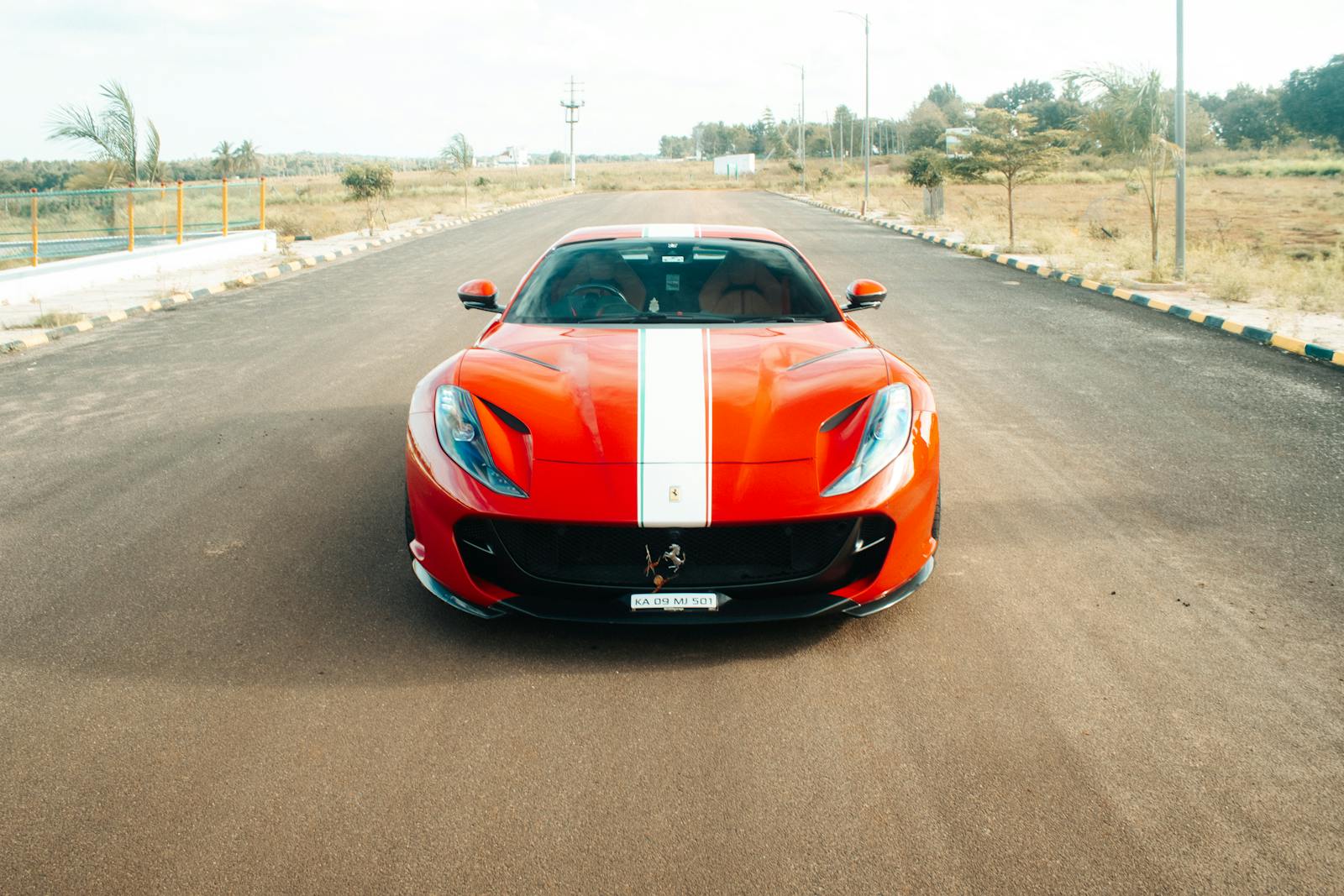
As the automotive industry continues to evolve, millennials remain captivated by the allure of supercars, but the sobering reality is that many will never have the opportunity to drive these high-performance machines. With an average price tag of over $200,000, the most sought-after models come with a hefty financial barrier that keeps them out of reach for the average consumer. This disparity highlights the growing gap between automotive enthusiasts and the supercars that have become symbols of status and achievement.
1. Bugatti Chiron (2016-Present)
The Bugatti Chiron, with a staggering starting price of around $3 million, epitomizes the unattainable for many millennials. This hypercar boasts a quad-turbocharged 8.0-liter W16 engine, producing a jaw-dropping 1,479 horsepower. The Chiron can accelerate from 0 to 60 mph in just 2.5 seconds and has a top speed electronically limited to 261 mph. While its performance and engineering are unmatched, the cost remains a significant barrier, making it a dream rather than a realistic goal for most.
2. Lamborghini Sián FKP 37 (2020-Present)
With a price tag of approximately $3.6 million, the Lamborghini Sián FKP 37 combines cutting-edge hybrid technology with the iconic design that Lamborghini is known for. Only 63 units were produced, making it one of the rarest supercars on the market. The Sián’s 6.5-liter V12 engine, paired with a 48-volt electric motor, generates a total of 819 horsepower, allowing it to reach 0 to 60 mph in just 2.8 seconds. For millennials who admire exclusivity and high performance, the Sián remains an unattainable aspiration.
3. Ferrari LaFerrari (2013-2016)
The Ferrari LaFerrari, priced at around $1.5 million, was the Italian automaker’s first hybrid supercar, showcasing a blend of performance and eco-friendliness. With only 499 units made, its scarcity adds to the allure. The LaFerrari’s 6.3-liter V12 engine, combined with an electric motor, produces a total of 950 horsepower, allowing it to sprint from 0 to 60 mph in under three seconds. While many millennials dream of owning a Ferrari, the LaFerrari represents a pinnacle that is still out of reach for most.
4. McLaren P1 (2013-2015)
Another hybrid powerhouse, the McLaren P1, carries a price tag of approximately $1.15 million and is limited to just 375 units. This supercar features a 3.8-liter twin-turbo V8 engine paired with an electric motor, delivering a total output of 903 horsepower. The P1 can achieve 0 to 60 mph in just 2.8 seconds and is known for its aerodynamic design and advanced technology. For millennials, the P1 is not just a car; it’s a symbol of engineering excellence that remains largely inaccessible to the average consumer.
5. Pagani Huayra (2012-Present)
The Pagani Huayra, priced starting at around $2.6 million, is a masterpiece of automotive design and performance. With only 100 units produced, it features a twin-turbocharged 6.0-liter V12 engine that produces 720 horsepower. The Huayra can accelerate from 0 to 60 mph in just 3.2 seconds and offers customization options that can easily push the price beyond $3 million. For millennials who appreciate artistry in engineering, the Huayra is a dream car that is unlikely to ever grace their driveways.
The Financial Divide
The high price tags associated with these supercars reflect not only their engineering excellence but also the growing financial divide between automotive enthusiasts and the vehicles they admire. According to a 2022 report by the National Automobile Dealers Association, the average new car price in the United States was approximately $46,329, significantly below the cost of these supercars. While millennials may aspire to these high-performance vehicles, the reality is that they are often priced out of the market.
Conclusion
For many millennials, the dream of driving a supercar like the Bugatti Chiron or Lamborghini Sián is just that—a dream. These vehicles represent the pinnacle of automotive engineering and style, but their exorbitant costs make them nearly impossible to own.