
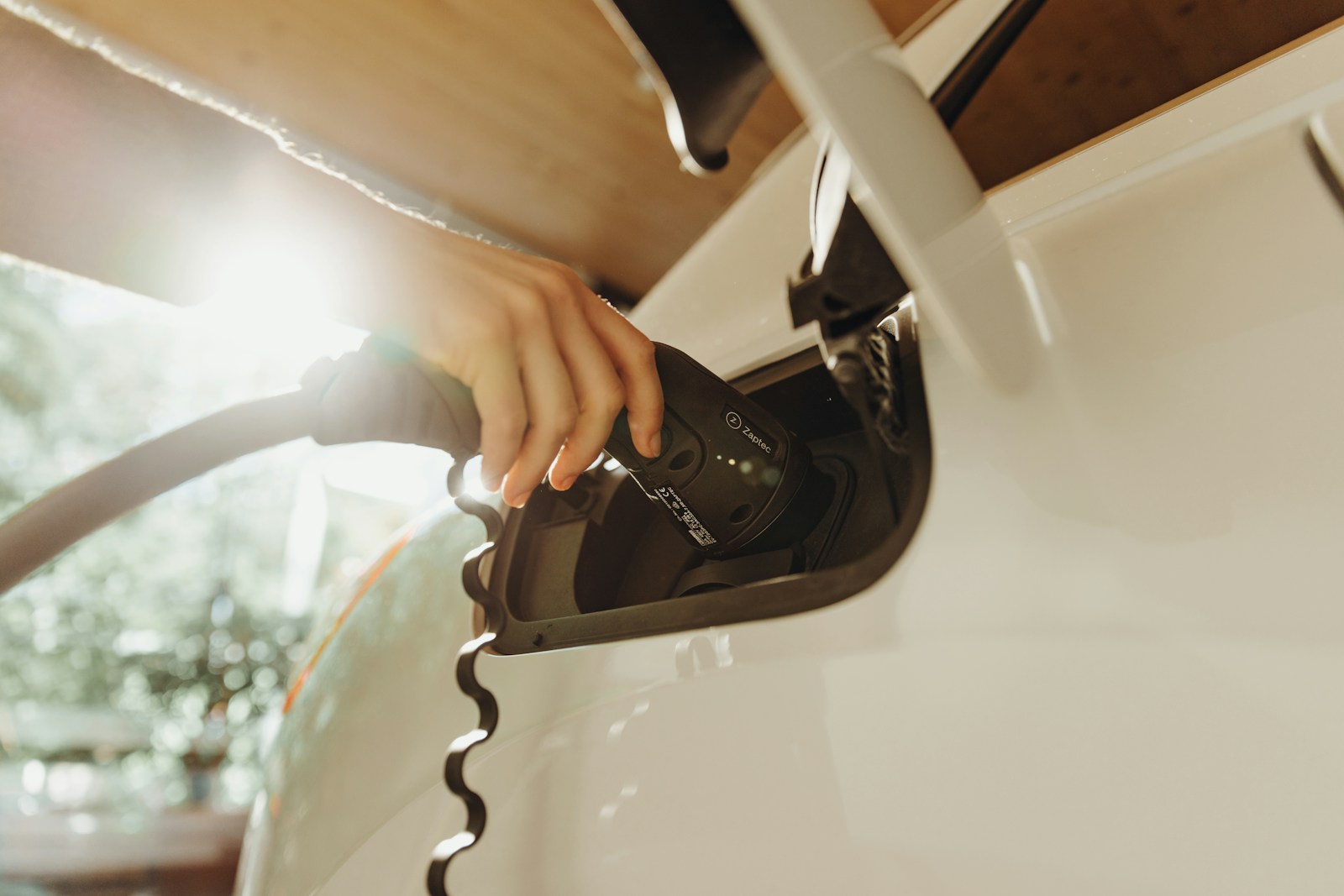

When Jim Petrillo, a 70-year-old retiree in the Pacific Northwest, bought his first electric vehicle last year, he wasn’t chasing a trend. He wanted a car that was easier on his back, cheaper to run on a pension, and simple enough that he wouldn’t dread every trip to the mechanic. “I figured I’d be the last person to go electric,” he told Torque News. “Turns out, it fits my life better than any car I’ve owned.”
Petrillo is not an outlier. Adults 65 and older are one of the fastest-growing segments of EV buyers in the United States, according to J.D. Power’s 2024 EV Consideration Study, which found that purchase interest among older consumers rose sharply as more affordable models entered the market. The reasons have little to do with tech enthusiasm. They center on comfort, predictable costs, and staying behind the wheel longer. Five factors explain why.
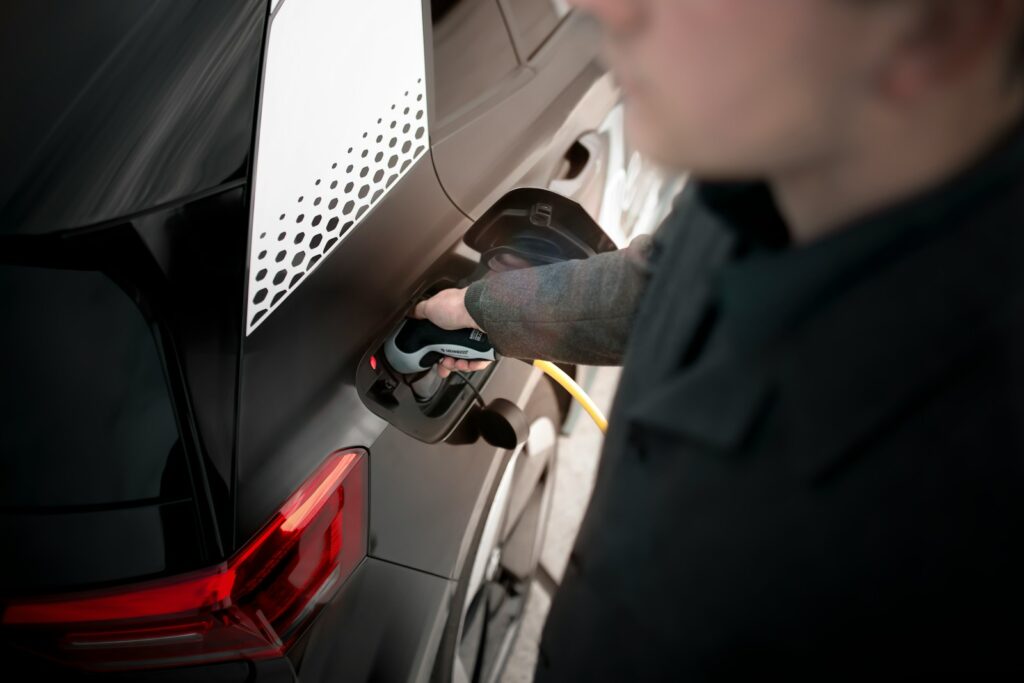
1. Getting in and out matters more than horsepower
Joint stiffness, reduced flexibility, and balance concerns make vehicle ergonomics a top priority for drivers over 60. Many newer EVs address this almost by accident: because electric platforms mount batteries beneath the floor, cabins sit higher than comparable sedans without requiring the steep climb into a truck or SUV. The result is a chair-height entry that physical and occupational therapists have long recommended for people with hip or knee limitations.
Flat floors, wide door openings, and minimal transmission tunnels give passengers more room to swing their legs in. RTÉ’s 2026 overview of EVs for older drivers highlights these design advantages, noting that reduced cabin vibration and road noise also cut fatigue on longer drives and make it easier for hearing-aid users to pick up navigation prompts or conversation.
That said, not every EV is senior-friendly. Large touchscreens that consolidate climate, audio, and mirror controls into nested menus have drawn criticism from safety researchers. The Insurance Institute for Highway Safety (IIHS) has flagged infotainment complexity as a distraction risk, and older drivers with less touchscreen fluency may find some interfaces frustrating. Models that retain physical knobs for volume and climate, such as the Chevrolet Equinox EV and the Hyundai Ioniq 5, tend to score better in usability assessments for this age group.
2. The monthly math favors electric on a fixed income
Retirees living on Social Security and pension income tend to scrutinize every recurring bill. Fuel is one of the easiest to cut. The U.S. Department of Energy’s fueleconomy.gov estimates that the average EV costs roughly half as much per mile to fuel as a comparable gasoline car when charged at home, and the gap widens in states with low electricity rates.
Maintenance savings compound the advantage. Electric powertrains have far fewer moving parts: no oil changes, no timing belts, no exhaust system repairs. Regenerative braking, which slows the car by feeding energy back into the battery, also reduces wear on brake pads and rotors. Department of Energy data shows that scheduled maintenance costs for battery-electric vehicles run about 40% lower than for internal combustion models over the first 10 years of ownership.
Upfront price remains a hurdle, but it is shrinking. The average transaction price for a new EV fell below $44,000 in late 2024, according to Cox Automotive/Kelley Blue Book data, and the used EV market has expanded rapidly. One important caveat for retirees: the federal clean vehicle tax credit of up to $7,500 requires sufficient federal tax liability to claim. Buyers with low taxable income may benefit more from the used EV credit (up to $4,000) or from state-level rebates that are issued as direct payments rather than tax offsets.
3. Real-world range now matches real-world driving
Range anxiety was a legitimate concern five years ago. It is less so now. Most new EVs sold in the U.S. carry EPA-rated ranges between 250 and 350 miles, and several affordable models, including the Chevrolet Equinox EV and the Tesla Model 3, exceed 300 miles on a full charge.
For older drivers, those numbers are more than sufficient. Federal Highway Administration survey data shows that Americans 65 and older drive an average of about 30 miles per day, well within the range of even the most modestly equipped EV. Many retirees would need to plug in only once or twice a week.
Home charging with a Level 2 (240-volt) outlet, which can be installed for a few hundred dollars in most garages, replenishes a typical battery overnight. That eliminates trips to the gas station, including standing outside in rain, snow, or extreme heat. For those without home charging access, the public fast-charging network has grown substantially: the Department of Energy’s Alternative Fuels Station Locator lists over 190,000 public charging ports nationwide as of early 2026, with continued expansion under the federal NEVI program.
Cold weather does reduce range, sometimes by 20% to 40% depending on temperature and driving conditions. Retirees in northern climates should factor that into their calculations, especially if they lack a heated garage. Preconditioning the cabin while still plugged in can offset some of the loss.
4. Safety technology builds confidence, not dependence
For many older adults, the decision to keep driving or hand over the keys is deeply personal and often agonizing. Modern EVs come standard with a suite of driver-assistance features that can extend safe driving years without requiring the driver to cede control.
Automatic emergency braking, blind-spot monitoring, lane-keeping assist, and adaptive cruise control are now standard or widely available across most EV lineups. IIHS research has documented meaningful crash-reduction benefits from these systems, particularly in the low-speed, intersection-heavy driving that characterizes many retirees’ daily routes.
The smooth, linear power delivery of an electric motor also helps. There is no lurching from gear shifts, and one-pedal driving, where lifting off the accelerator engages regenerative braking, can reduce the constant toggling between pedals that contributes to leg fatigue and, in some cases, pedal-confusion accidents. Older drivers in owner-satisfaction surveys frequently cite the calm, predictable feel of an EV as a reason they feel more confident behind the wheel.
A common concern is that quiet EVs pose a greater danger to pedestrians. A 2024 study published in the Journal of Transport & Health found no statistically significant difference in serious pedestrian injury rates between electric and gasoline vehicles after controlling for speed and impact location. Regulations in the U.S. and EU now require EVs to emit artificial sound at low speeds, further reducing that risk.
5. Legacy thinking meets environmental values
Older Americans are not indifferent to climate change. Pew Research Center polling shows that a majority of adults over 65 support expanding renewable energy, and a growing share say they consider environmental impact when making large purchases.
For grandparents who watched smog choke cities in the 1970s and have now lived through record wildfire seasons and heat waves, choosing an EV can feel like a tangible, personal contribution. Eliminating tailpipe emissions from even one household vehicle reduces local air pollution near homes, schools, and senior-care facilities, a benefit that matters to people with asthma, COPD, or other respiratory conditions common in later life.
There is also a less discussed motivation: staying current. Learning to use a charging app, monitoring energy use on a dashboard, or preconditiong the car from a phone keeps older adults engaged with the same digital tools their children and grandchildren use daily. For some retirees, that sense of technological competence is as valuable as the fuel savings.
What to weigh before making the switch
An EV is not the right choice for every older driver. Before buying, seniors should honestly assess a few practical questions:
- Charging access: Do you have a garage or dedicated parking spot where a Level 2 charger can be installed? Apartment and condo dwellers who rely solely on public charging will face more friction.
- Climate: If you live in a region with harsh winters, budget for range loss and confirm that local charging infrastructure can cover your needs on the coldest days.
- Trip patterns: If you regularly drive 200+ miles in a day to visit family or travel to medical specialists, map out charging stops in advance using tools like A Better Route Planner.
- Tax credit eligibility: Verify whether your federal tax liability is high enough to claim the full new-vehicle credit, or whether the used EV credit or a state rebate is a better fit.
- Battery warranty: Most manufacturers warrant EV batteries for 8 years or 100,000 miles. Check the specific terms, and consider how long you plan to keep the car.
Insurance costs vary by model and insurer, so get quotes before committing. And test-drive with attention to the infotainment system: if you can’t adjust the mirrors or the climate without diving through three menu layers, that car is not the one.
For retirees who do make the switch, the payoff tends to be immediate and personal. Less pain getting in and out. Quieter rides. Smaller utility bills. And the private satisfaction of knowing the car in the driveway is not making the air worse for the people who will inherit it.
More from Wilder Media Group: