

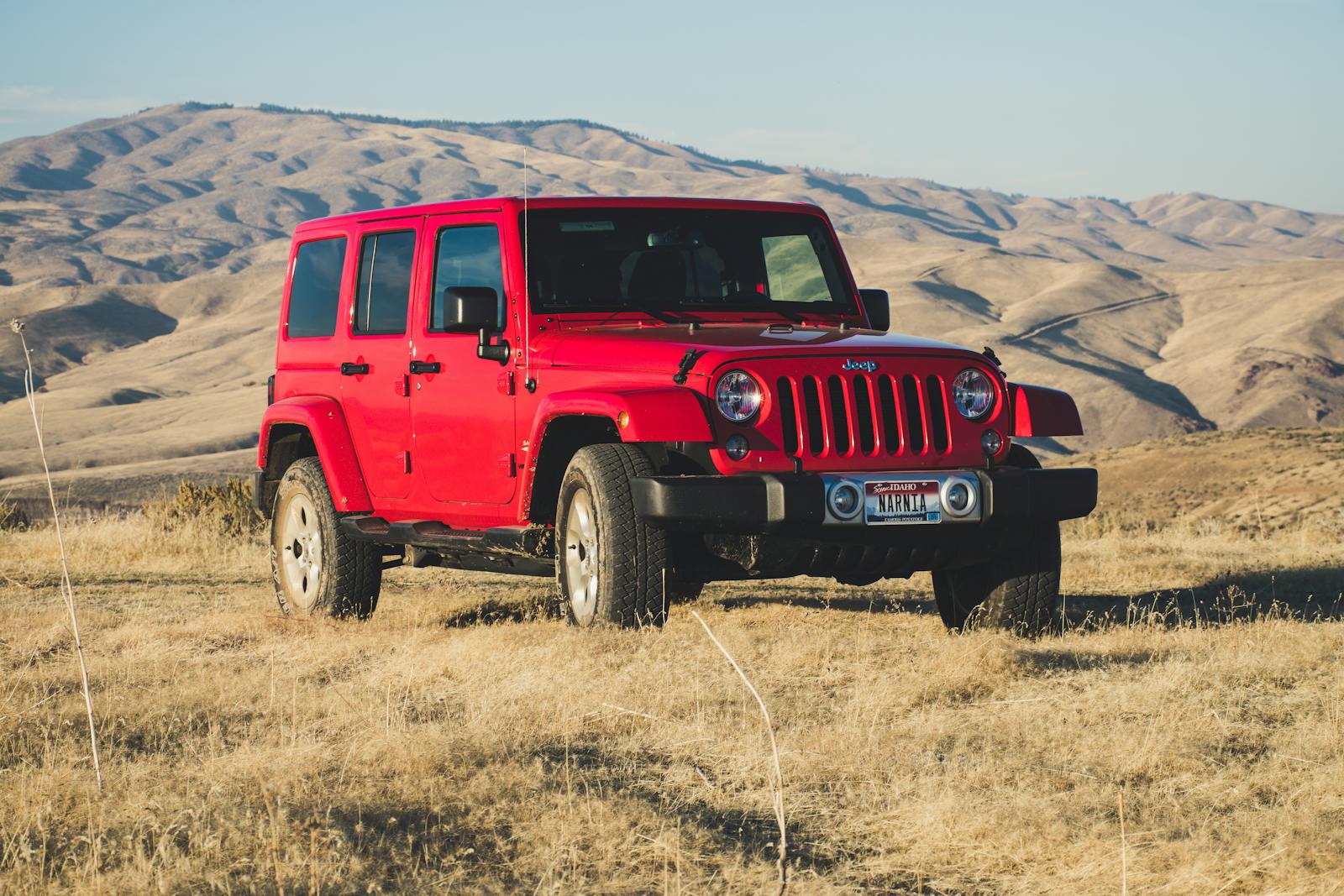
Many SUVs are marketed for their ruggedness and durability, but not all live up to the promise of a smooth and comfortable driving experience. This article outlines five SUVs that, while known for their toughness, fall short in terms of drivability, affecting consumers who prioritize both capability and comfort. Choosing the wrong model could lead to frustration and additional costs for buyers looking for the ideal vehicle.
1. Jeep Wrangler (2007-2018)
The Jeep Wrangler has long been celebrated for its off-road prowess, but this comes at a significant cost in drivability. The 2007-2018 models are notorious for their poor handling and stiff ride quality, making urban and highway driving a chore. Many owners report that the steering is vague, and the cabin noise is excessive, particularly at higher speeds.
Despite its popularity, the Wrangler’s on-road performance has led to a concerning reliability rating, with some models receiving a 3 out of 5 from J.D. Power. For those who primarily drive in urban settings, the rugged appeal of the Wrangler may not justify the driving discomfort.
2. Nissan Xterra (2000-2015)
The Nissan Xterra was designed with adventure in mind, but its tough exterior masks a driving experience that many find unsatisfactory. The vehicle’s body-on-frame construction can result in a bumpy ride, particularly on uneven surfaces. Moreover, its outdated engine options, particularly in the earlier models, lead to sluggish acceleration and inefficient fuel consumption.
With a combined fuel economy rating of just 19 miles per gallon, the Xterra is not economical for daily driving. Consumers looking for a versatile SUV may find the Xterra’s severe limitations in comfort and performance frustrating, especially given that it was discontinued in 2015.
3. Ford Bronco II (1984-1990)
The Ford Bronco II, an SUV that gained a cult following, is often remembered for its toughness and off-road capability. However, its driving dynamics leave much to be desired. Many owners experienced significant body roll, making cornering a daunting task. The steering response is often criticized as being overly vague, causing discomfort for those who prefer precise handling.
Adding to its woes, the Bronco II has a poor safety record, with rollover risks that have been documented in several reports. This combination of handling challenges and safety concerns makes the Bronco II a tough sell for modern buyers who prioritize both adventure and safety in their vehicles.
4. Chevrolet TrailBlazer (2002-2009)
The Chevrolet TrailBlazer was marketed as a sporty SUV, but many drivers found that it didn’t deliver on that promise. The vehicle’s heavy weight and lackluster engine options led to sluggish acceleration, making it feel cumbersome in everyday situations. Additionally, its steering system often felt disconnected, which detracted from the overall driving experience.
Despite its reputation for toughness, the TrailBlazer’s ride quality has been criticized for being harsh, particularly on rough roads. Sales figures show that the TrailBlazer struggled to compete with its peers, with a peak of just over 100,000 units sold in 2005, well below competitors like the Honda CR-V and Toyota RAV4.
5. Hummer H2 (2003-2009)
The Hummer H2 is an iconic symbol of ruggedness, but driving one is often described as a cumbersome experience. While it excels in off-road scenarios, its size and weight make it unwieldy on city streets. The steering is often viewed as overly heavy, and the turning radius is a challenge in tight spaces.
Moreover, the H2 is infamous for its poor fuel economy, averaging merely 10 to 12 miles per gallon. As fuel prices continue to rise, the H2’s driving inefficiencies make it an impractical choice for many consumers seeking a balance between toughness and everyday usability.
Conclusion: Weigh Your Options Wisely
While the SUVs listed above have their merits in terms of ruggedness, they come with significant drawbacks in drivability that potential buyers should consider. These models may not provide the optimal blend of comfort and performance that many drivers expect from a modern SUV. As the automotive market evolves, it’s crucial for consumers to weigh their options carefully, especially when investing in a vehicle that will be used daily.
Before making a purchase, conduct thorough research, read reviews, and consider test-driving multiple models. Remember, a tough exterior does not always translate to a pleasant driving experience. Stay informed and make the best choice for your driving