

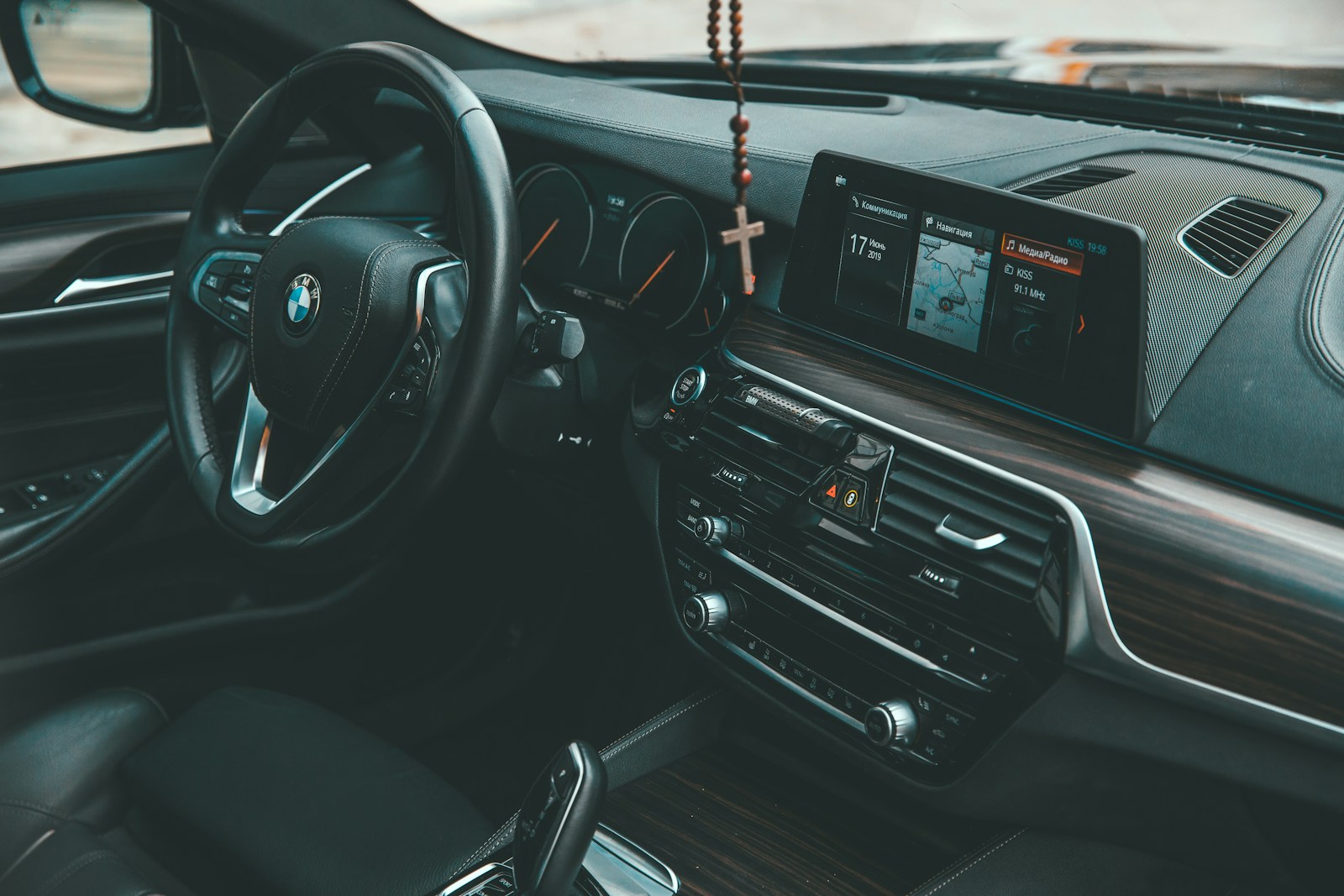
In 2026, drivers can expect significant technological advancements in vehicles that promise to enhance safety, convenience, and connectivity. As automakers strive to meet evolving consumer demands and regulatory standards, these upgrades will not only impact driving experiences but also influence purchasing decisions for millions of potential car buyers. Here are five notable technology upgrades that will become standard or widely available in new vehicles by 2026.
1. Advanced Driver Assistance Systems (ADAS)
By 2026, almost all new vehicles will feature advanced driver assistance systems (ADAS) as standard equipment. These systems, which include functions like adaptive cruise control, lane-keeping assist, and automatic emergency braking, are designed to enhance safety and reduce human error on the roads. According to a report by the National Highway Traffic Safety Administration (NHTSA), ADAS could prevent up to 40% of crashes, making them a critical component of future vehicles.
For example, the 2026 Honda Accord is expected to include a more sophisticated version of its existing suite of ADAS features, making it safer and easier to drive. With more automakers investing in this technology, consumers can anticipate a more secure driving environment across various model ranges.
2. Enhanced In-Car Connectivity
As connectivity becomes increasingly important, 2026 vehicles will offer improved in-car technology that seamlessly integrates with smartphones and other devices. Expect to see advancements in infotainment systems that support wireless Apple CarPlay and Android Auto, providing drivers with hands-free access to navigation, music, and calls. According to industry analysts, the global connected car market is projected to reach $166 billion by 2026, highlighting the growing importance of this technology.
The 2026 Ford Mustang, for instance, is anticipated to feature a state-of-the-art infotainment system, complete with a high-resolution touchscreen and voice recognition capabilities. These upgrades will make it easier for drivers to stay connected without compromising safety.
3. Electric Vehicle (EV) Range Improvements
As the shift toward electric vehicles accelerates, advancements in battery technology will significantly enhance the driving range of new EV models by 2026. Manufacturers are expected to introduce vehicles capable of traveling over 400 miles on a single charge, addressing one of the primary concerns for potential EV buyers: range anxiety. According to the International Energy Agency, the number of electric cars on the road is expected to reach 145 million by 2030, underscoring the importance of these improvements.
For example, the anticipated 2026 Tesla Model 3 will likely feature new battery technology that could extend its range, making it more appealing to consumers who require longer distances without frequent recharging. These advancements will also contribute to a broader acceptance of electric vehicles in the mainstream market.
4. Over-the-Air (OTA) Updates
Over-the-air (OTA) updates will become a standard feature in most new vehicles by 2026, allowing manufacturers to remotely update software and fix bugs without requiring trips to the dealership. This capability enhances vehicle performance, improves safety features, and keeps the technology current without the hassle of traditional update methods. Research indicates that 70% of vehicle owners prefer OTA updates, favoring convenience and efficiency.
The 2026 Chevrolet Silverado is expected to leverage this technology, enabling owners to receive the latest software enhancements directly to their vehicles. This means that drivers can enjoy new features and improvements without ever leaving their homes.
5. Integrated Artificial Intelligence (AI) Systems
Artificial intelligence will play a pivotal role in the vehicles of 2026, providing smarter driving experiences through predictive analytics and personalized settings. AI systems will learn driver behavior, adjusting things like seat position, climate control, and navigation routes based on individual preferences. This technology aims to create a more tailored driving experience that enhances comfort and convenience.
The upcoming 2026 BMW 5 Series is expected to incorporate advanced AI features that will not only learn from drivers but also communicate with other vehicles and infrastructure for improved traffic management. This integration of AI technology could lead to smoother traffic flow and reduced congestion, making commutes more efficient.
Conclusion: Be Prepared for Change
The technological advancements expected in 2026 vehicles will significantly alter the driving landscape, making cars safer, more connected, and more efficient. These changes are not just incremental; they represent a paradigm shift in how consumers will interact with their vehicles. As automakers continue to innovate, potential buyers should stay informed about these developments to make educated decisions when purchasing their next vehicle.
With these upgrades on the horizon, car enthusiasts and everyday