
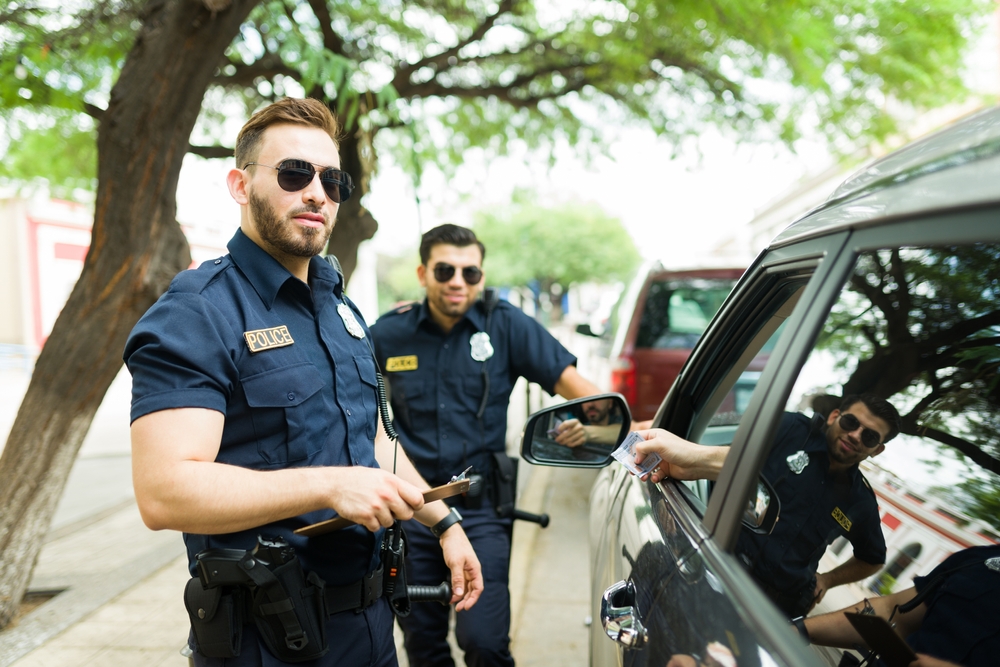

You know that moment when you see flashing lights in your mirror and your stomach does a little backflip? Most of the time, you’re hoping for the magical words: “I’m just going to give you a warning today.” And sometimes you get them. But other times, a stop that could’ve ended with a “drive safe” turns into a ticket you’ll be grumbling about for weeks.
The truth is, a lot of that outcome can hinge on what happens in the first two minutes. Not because officers are looking for reasons to punish you, but because traffic stops are quick, high-stress, and full of unknowns. Here are five things that can make a warning disappear fast—and what to do instead.
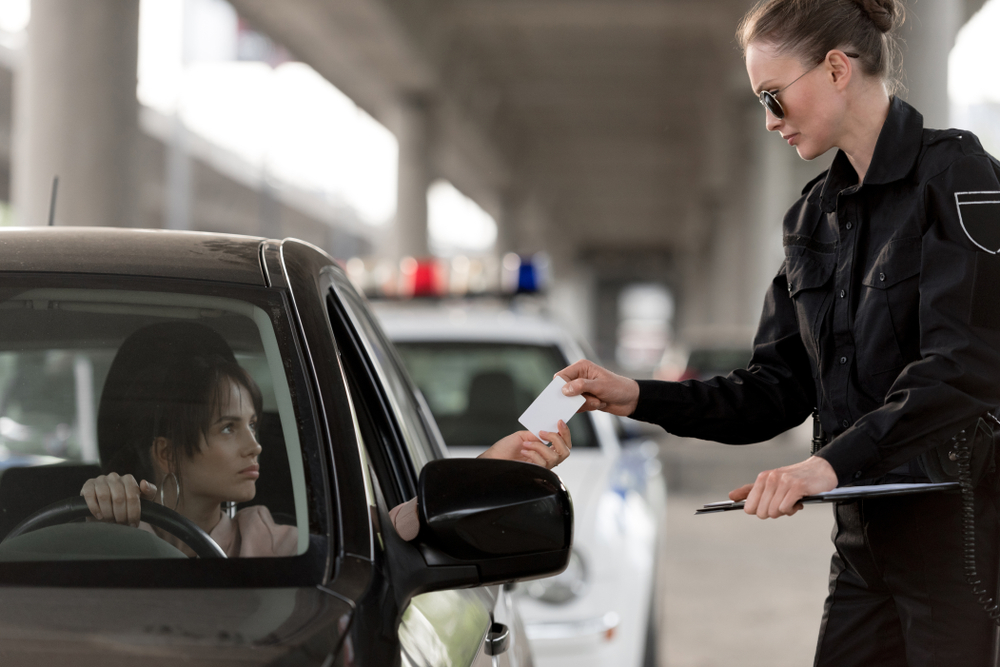
1) Arguing the stop like it’s a courtroom debate
It’s tempting to jump straight into “Actually, I wasn’t speeding” or “That sign is impossible to see.” Totally human reaction. The problem is that a roadside stop isn’t the place where anyone’s mind gets changed, and arguing can come off as combative even if you’re trying to be polite.
If you disagree, keep it simple: “I understand,” or “I didn’t realize—thank you for letting me know.” You can always contest a ticket later if you truly think it’s wrong. In the moment, your best move is to keep the temperature low and the conversation calm.
2) Making the officer feel unsafe (even accidentally)
This one is huge, and it’s often unintentional. Reaching around the cabin, digging under your seat, popping open the glove box before anyone asks—those actions can look sketchy from outside the car, even if you’re just trying to be helpful. Officers don’t know you, and they’re approaching a vehicle where anything could be happening.
Instead, keep your hands visible on the steering wheel, especially at night. Wait until you’re asked before reaching for your license or registration, and narrate your movements: “My registration’s in the glove box—okay if I grab it?” That small courtesy can change the whole vibe.
3) Having a messy “paperwork moment” that drags on
Ever watched someone search for their insurance card like it’s hidden in an escape room? It happens. But when a stop stretches on because documents are missing, expired, or buried under fast-food receipts and old parking stubs, patience wears thin—on both sides.
Warnings are more likely when the stop feels straightforward and you seem organized. Keep your registration and insurance in one dedicated spot, and make sure they’re current. If you use digital insurance, have the app ready before you start driving so you’re not fumbling with your phone while an officer waits.
4) Being rude, sarcastic, or “performing” for passengers
Sometimes people get snippy as a defense mechanism. Sometimes they’re embarrassed and try to crack jokes that land like a brick. And sometimes they’ve got friends in the car and feel the need to play tough—because nothing says “confidence” like arguing while your buddy records.
Most officers have heard every line in the book, including the dramatic sighs and the “Seriously?” routine. If you want the best chance at a warning, keep it respectful and low-key. You don’t have to be overly cheerful; just be civil, answer questions directly, and save the commentary for later.
5) Admitting to extra stuff you weren’t asked about
There’s honesty, and then there’s volunteering a whole mini-confession. If you get stopped for speeding and blurt out, “Yeah, I’m late and I’ve been going about 15 over all morning,” you’ve just made it harder for the officer to feel comfortable cutting you a break.
Keep answers truthful but focused. If you’re asked, “Do you know why I stopped you?” you can say, “I’m not sure,” or “I think it might’ve been my speed.” You don’t need to pile on details that turn a simple stop into a bigger one.
The small stuff that helps more than you’d think
If you’re looking for “warning-friendly” behavior, it’s mostly boring, practical things. Pull over promptly and safely, use your turn signal, and stop in a well-lit area if it’s nighttime. Turning down loud music and rolling down the window enough to communicate clearly also helps—simple, but it signals cooperation.
At night, interior lights can be a surprisingly good move. Flipping on the dome light makes it easier to see inside the car, which can make everyone feel calmer. It’s not a magic trick, but it’s one less reason for anyone to be on edge.
What about your rights?
You can be respectful and still protect yourself. You’re generally required to provide your license, registration, and proof of insurance when asked. Beyond that, rules vary by state and situation, so if something feels unclear, it’s okay to politely ask: “Am I required to answer that?”
Being calm and courteous doesn’t mean you’re “admitting guilt.” It just means you’re handling a stressful moment in a way that doesn’t escalate it. If you ever do get a ticket and think it’s unfair, the proper place to dispute it is through the legal process, not the shoulder of the road with cars whipping by at 70.
The bottom line
A warning is basically discretion in action, and discretion is influenced by how the stop feels. If you argue, act unpredictable, can’t find your documents, get rude, or overshare, you’re quietly nudging things toward “citation.” If you stay calm, keep your hands visible, communicate clearly, and act like a reasonable adult, you’re giving the officer every reason to end it with a warning.
No one’s perfect—traffic stops catch people on bad days. But if you remember just one thing, make it this: the goal is to make the interaction safe, simple, and brief. Do that, and you’re much more likely to drive away with nothing more than a story and a slightly elevated heart rate.
More from Steel Horse Rides: