
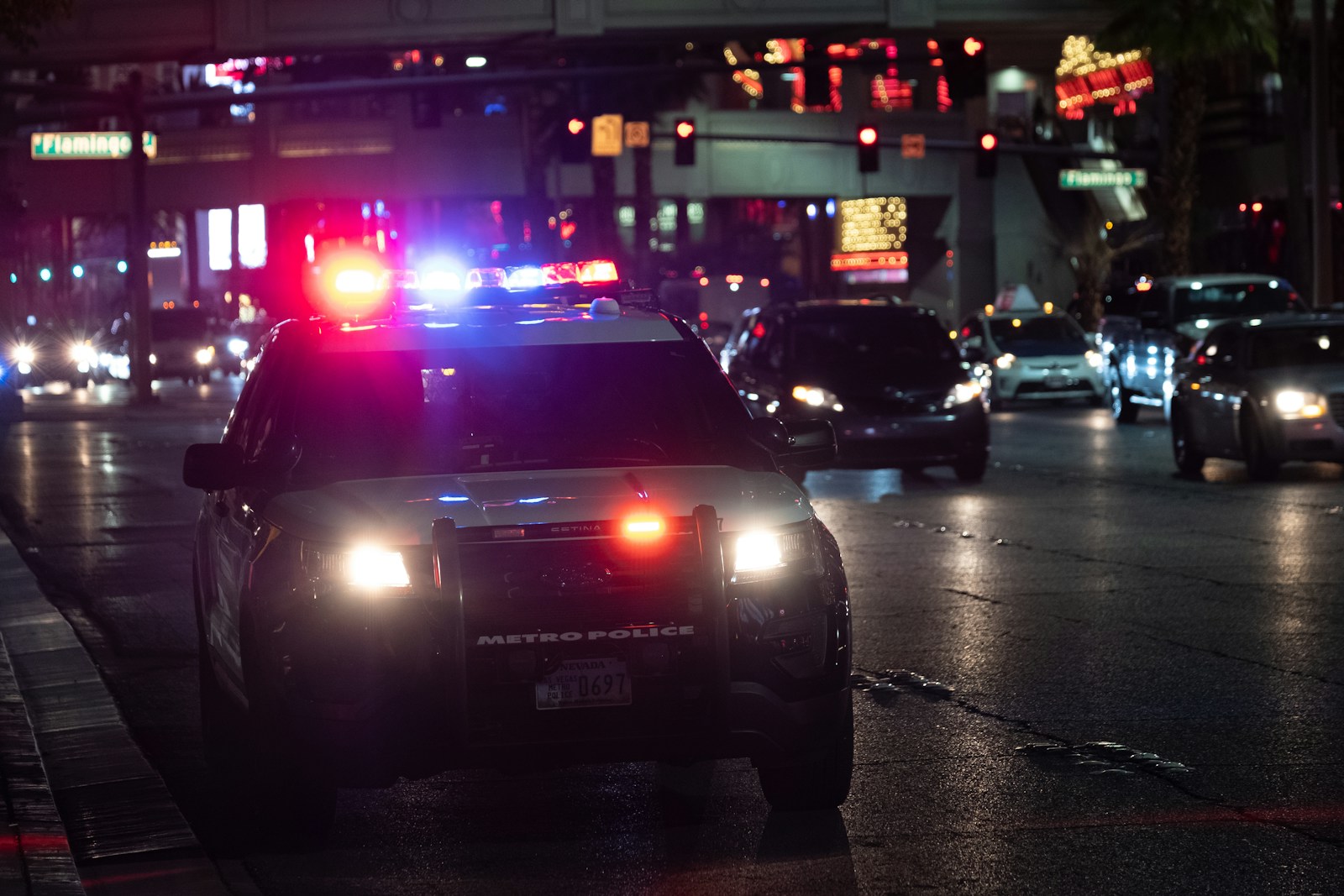

Being pulled over by the police can be stressful, and it’s natural to want to explain yourself or answer questions right away. However, knowing when to keep quiet can actually protect you and prevent misunderstandings during the stop.
Understanding the right moments to stay silent can help you avoid trouble and protect your legal rights during an encounter with law enforcement. Keeping calm and choosing your words carefully can make a big difference in how the stop plays out.

When asked where you’re coming from or going to
If a cop asks where you’re coming from or heading, remember you don’t have to answer. You can simply say, “I’d rather not say” or remain silent.
Sharing this info might seem harmless, but it could be used against you later. Staying quiet keeps things simple and avoids unnecessary complications during the stop.
You always have the right to remain silent, and it’s okay to use it. Just be polite and respectful while doing so.
If the officer questions your travel plans or purpose
If an officer asks why you’re traveling or where you’re headed, you don’t have to answer. These questions can feel harmless but might lead to unintended issues.
You have the right to remain silent under the Fifth Amendment, which means you can politely decline to explain your plans.
Keep your answers short if you choose to respond, but remember, anything you say can be used later. Staying silent protects you from accidentally saying something that could be misunderstood.
When prompted about your immigration status
If an officer asks about your immigration status, you have the right to stay silent. You don’t have to answer questions about where you were born or your citizenship.
Showing any documents like a green card is only necessary if you have them on you and are asked by immigration officers.
Remember, anything you say can be used against you later, so it’s smart to wait and speak with a lawyer before sharing details. Just stay calm and don’t feel pressured to talk.
If asked about your personal background or home address
When an officer asks about your personal background or home address, it’s okay to keep things brief. You don’t have to share more than what’s legally required, like your name and license information.
Offering extra details can sometimes create confusion or misunderstandings. Staying silent on these can protect your privacy and prevent unnecessary complications during the stop.
If you feel unsure or uncomfortable, you can politely decline or ask why they need the information. Remember, it’s your right to maintain some boundaries.
When questioned about whether you consent to a search
If an officer asks if you consent to a search, you can simply say no. You have the right to refuse without giving a reason.
Saying “I do not consent to a search” is your strongest way to protect your Fourth Amendment rights. Stay calm and be polite, but firm.
Remember, refusing consent does not mean you are guilty or suspicious. It just means you want your rights respected. You don’t have to argue; just clearly state your decision.