

When it comes to customizing your vehicle, the allure of accessories can be hard to resist. However, some modifications come with serious risks, including the potential to void your warranty. Understanding which accessories can lead to this outcome is crucial for maintaining your vehicle’s coverage and overall value. Here are six accessory installs that you should think twice about before diving in.
1. Performance Chips
Performance chips promise enhanced horsepower and torque, but they can significantly alter your engine’s performance parameters. Manufacturers often view these mods as a direct infringement on their carefully calibrated systems, leading to a warranty void. If an engine failure occurs and the chip is found to be a factor, you can bet the repair costs will fall entirely on you.
Additionally, these chips can affect fuel efficiency and emissions, possibly putting your vehicle at odds with local regulations. Before considering this modification, weigh the pros and cons against the risk of losing warranty coverage and potential legal issues.
2. Aftermarket Exhaust Systems

Upgrading to an aftermarket exhaust system can improve your vehicle’s sound and performance, but it’s a risky move. Many manufacturers specifically state that any modifications to the exhaust can void your warranty, especially if they lead to engine damage or emissions violations. A louder system might not be worth the potential fallout.
Moreover, if your new exhaust affects your vehicle’s emissions output, you could face fines or even be denied registration in some states. Always check your car’s warranty policy before making this change to avoid unexpected costs down the line.
3. Lift Kits
Lifting your truck or SUV with a suspension lift kit can enhance off-road capability, but it comes at a price. These kits alter the vehicle’s suspension geometry and can lead to premature wear on essential components. Many manufacturers will void the warranty if they determine that the lift kit caused any related damage.
Additionally, lifting your vehicle can affect its handling and safety features, which could potentially lead to accidents. Always consult your vehicle’s warranty guide and consider the long-term implications before making this significant modification.
4. Custom Wheels and Tires
While custom wheels and tires can enhance your vehicle’s aesthetics and performance, they can also void your warranty. If the new wheels or tires change the overall diameter of the tires, it can lead to issues with the speedometer, traction control, and even the transmission. Manufacturers may claim that such changes have compromised vehicle integrity.
Before installing new wheels or tires, ensure they are compatible with your vehicle. It’s also wise to discuss any potential warranty implications with your dealer to avoid unexpected repairs that could be financially burdensome.
5. Audio System Upgrades
Upgrading your car’s audio system can result in high-quality sound, but it can also lead to warranty issues. Modifications that involve altering the vehicle’s electrical system, such as adding amplifiers or subwoofers, can trigger warranty voids if they cause electrical faults. In the worst-case scenario, you could end up damaging sensitive electronic components.
Be cautious and consider using plug-and-play systems that won’t impact the car’s factory wiring. Always check with your dealer before making any significant changes to avoid losing warranty coverage on your vehicle’s electrical components.
6. Engine Modifications
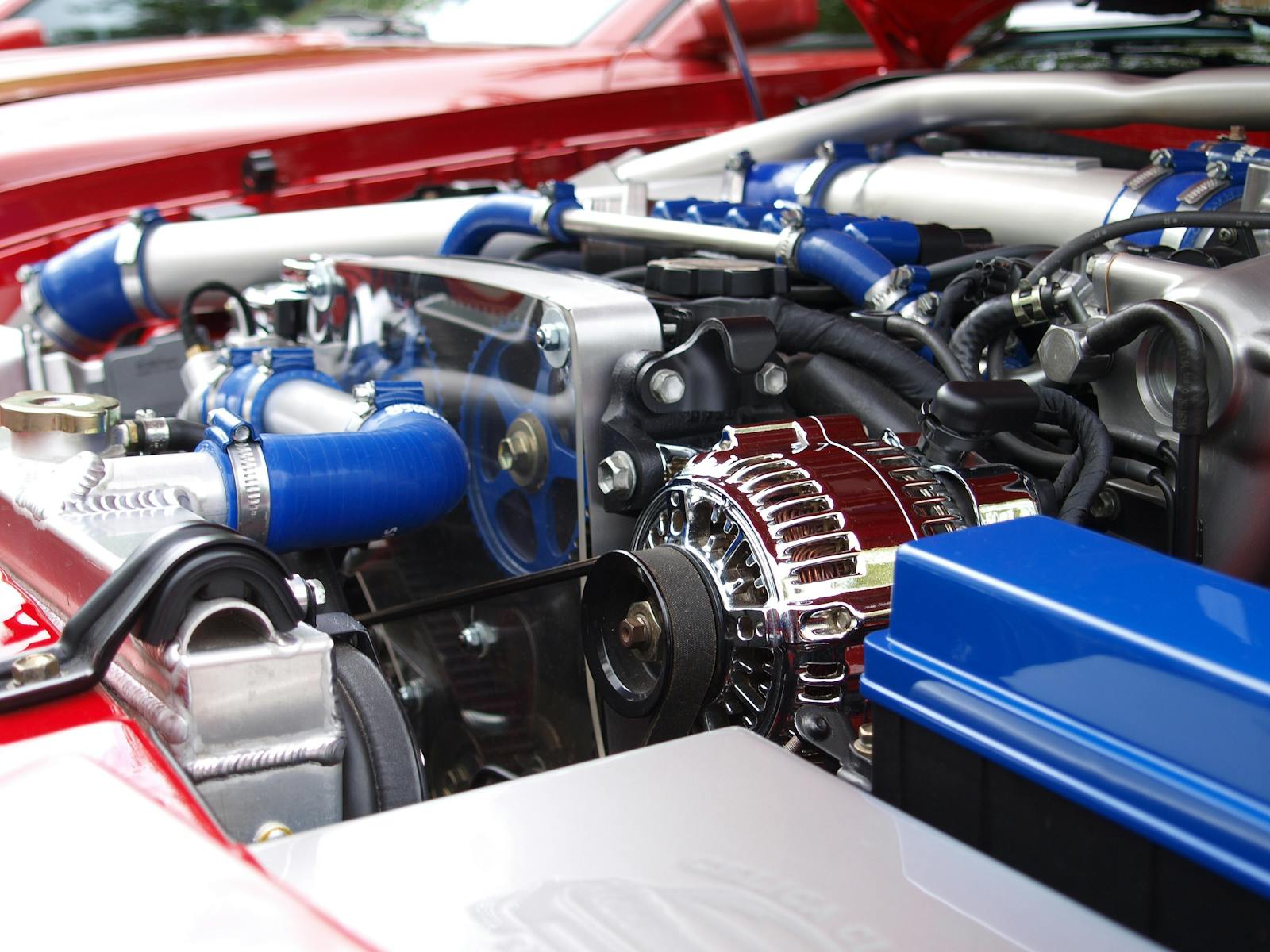
Any modifications to the engine—whether it’s a cold air intake, turbocharger, or supercharger—can lead to warranty issues. These changes can significantly affect how the engine operates, and if something goes wrong, the manufacturer may deny coverage based on the modification. It’s a risk that many performance enthusiasts take, but it comes with substantial consequences.
Before making any engine modifications, carefully review your warranty terms and consult with your dealer. Sometimes, it’s worth considering performance parts that maintain warranty compliance to enjoy upgrades without the risk of voiding your coverage.
In summary, while accessorizing your vehicle can provide performance enhancements and aesthetic appeal, it’s vital to consider how these changes might affect your warranty. Always do your research and consult with professionals to ensure you’re making informed decisions that won’t lead to costly repairs down the line.
More from Steel Horse Rides: