

The automotive landscape of the 1960s and 1970s was profoundly shaped by a generation that sought freedom and individuality, with six iconic “Boomer cars” emerging as symbols of rebellion. These vehicles not only represented a shift in American culture but also reflected the desires of a youth population eager to break away from the norms of the past. Understanding these models helps contextualize the evolution of the automotive industry and highlights the ongoing relationship between car culture and societal change.
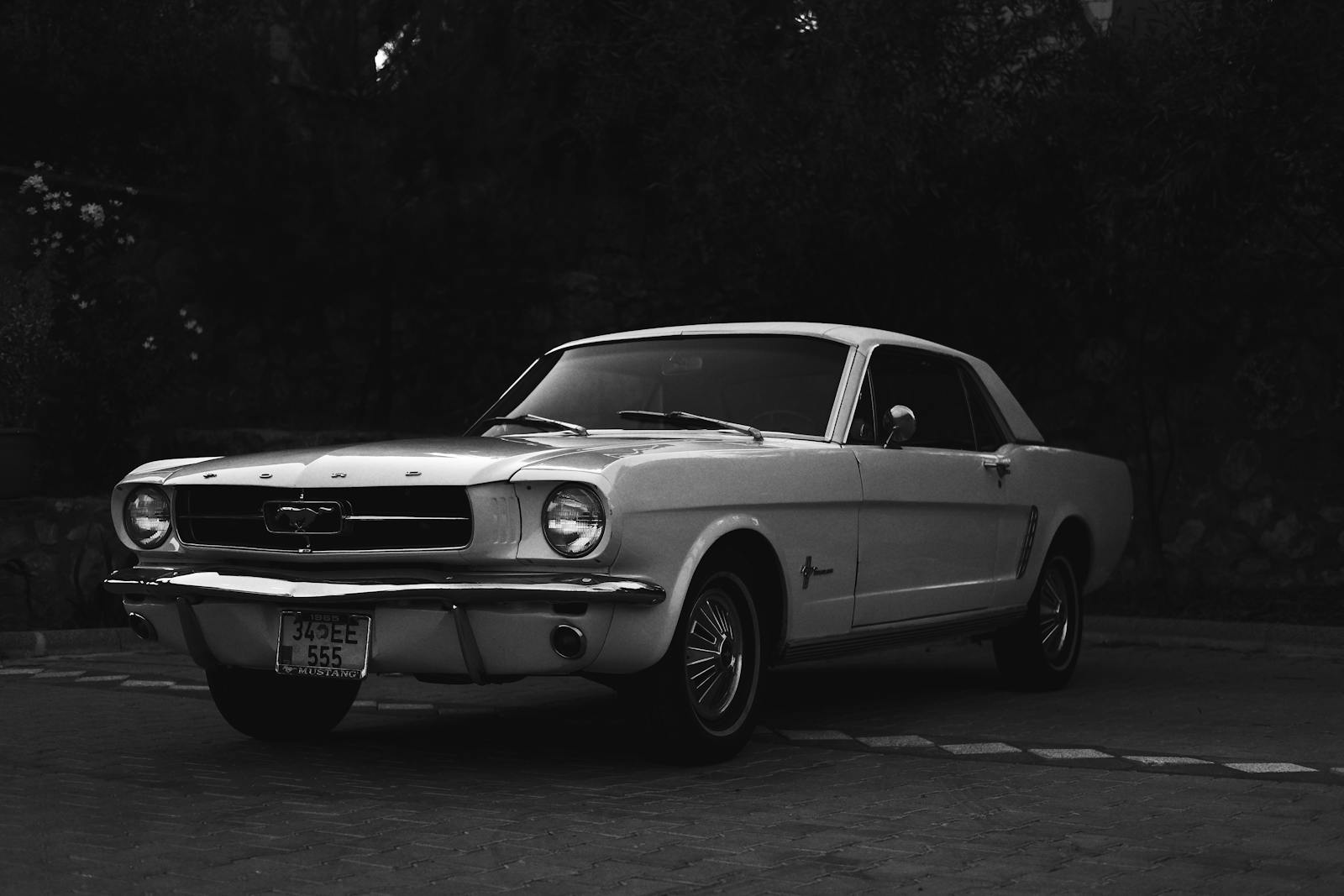
1. Ford Mustang (1964)
Launched in 1964, the Ford Mustang quickly became a symbol of American muscle and rebellion. With a base price of around $2,368, the Mustang was accessible to young buyers, allowing them to express their individuality. The car’s sleek design and powerful engine options, including a V8 that could produce up to 271 horsepower, made it a favorite among the youth who sought freedom on the open road.
2. Chevrolet Camaro (1967)
The Chevrolet Camaro, introduced in 1967 as a response to the Mustang, further fueled the muscle car craze. With a starting price of approximately $2,466, it was aimed at the same demographic of young drivers. The Camaro’s aggressive styling and performance capabilities, featuring engines that could exceed 375 horsepower, embodied the spirit of rebellion and competitiveness that defined the era.
3. Pontiac GTO (1964)
The Pontiac GTO is often credited with starting the muscle car movement when it debuted in 1964. This model was unique in that it combined a mid-size car with high-performance features, offering a powerful 389 cubic inch V8 engine that produced 325 horsepower. With a starting price of around $2,500, the GTO attracted younger drivers looking for speed and style, making it a definitive symbol of rebellion in automotive history.
4. Dodge Charger (1966)
First hitting the market in 1966, the Dodge Charger became an icon of American car culture, particularly after its prominent role in the television series “The Dukes of Hazzard.” With a sleek design and available HEMI V8 engine capable of delivering over 425 horsepower, the Charger represented a bold choice for those who wanted to stand out. Its price point, starting around $3,000, made it a coveted option for young rebels seeking both performance and flair.
5. Volkswagen Beetle (1960s)
While not a muscle car, the Volkswagen Beetle resonated with the counterculture of the 1960s, symbolizing peace and freedom. Its affordability, with prices starting under $2,000, and compact design made it particularly appealing to young drivers. The Beetle’s quirky styling and association with the hippie movement showcased a different kind of rebellion, one that emphasized individuality and nonconformity.
6. Chevrolet Corvette (1963)
The Chevrolet Corvette, especially the 1963 split-window model, became a symbol of American engineering and performance. Priced at approximately $4,000, it was a dream car for many and represented the pinnacle of automotive rebellion for those who could afford it. With a top speed exceeding 150 mph, the Corvette appealed to young drivers who not only wanted to make a statement but also experience the thrill of high-speed driving.
The Impact of These Vehicles
The cars listed above were more than just modes of transportation; they were statements of identity and defiance against societal norms. During a time of significant social upheaval, these vehicles allowed young people to express their desires for freedom and change. The popularity of these models also spurred innovation in the automotive industry, prompting manufacturers to focus on performance, design, and consumer appeal.
Conclusion: The Legacy of Rebellion
The legacy of these six Boomer cars continues to influence automotive culture today. They not only shaped a generation’s driving experience but also set the stage for future innovations in design and performance. As we reflect on the significance of these vehicles, it is essential to recognize their role in defining an era of rebellion on the road.
For those interested in classic cars or the history of automotive culture, exploring the stories behind these models is crucial. Understanding how these vehicles impacted society can provide valuable insights into current trends and the ongoing evolution of the automobile. Whether you’re a car enthusiast or simply curious about the cultural significance of these machines, now is the time to delve deeper into the world of automotive history.