
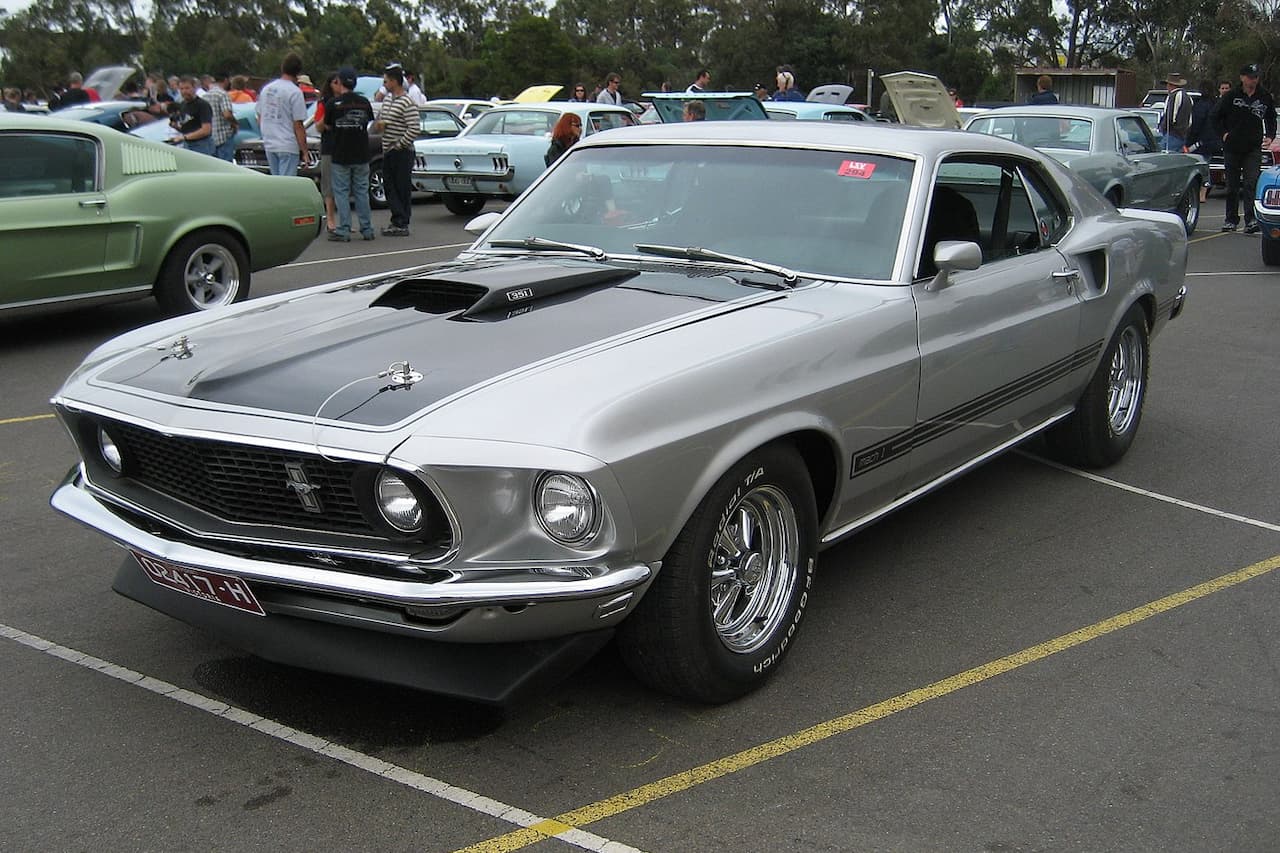


Many Baby Boomers fondly reminisce about the open road, often linked to iconic vehicles that defined their youth. These cars not only represented freedom and adventure but also served as status symbols during a transformative era in American automotive history. Understanding these vehicles sheds light on cultural trends and consumer preferences that have shaped the automotive industry.
1. Ford Mustang (1964)
Launched in 1964, the Ford Mustang quickly became a symbol of American muscle and youth culture. The Mustang’s sleek design and powerful performance made it an instant hit, selling over 400,000 units in its first year alone. Its association with the 1960s counterculture movement and films like “Bullitt” cemented its status as a dream car for many Boomers.
2. Chevrolet Camaro (1967)
Introduced as a response to the Mustang, the Chevrolet Camaro hit the market in 1967 and quickly gained its own following. With its aggressive styling and variety of engine options, the Camaro became a staple in the muscle car segment. By 1969, sales had reached over 200,000 units, making it a formidable competitor and a symbol of American automotive pride.
3. Volkswagen Beetle (1960s)
The Volkswagen Beetle, originally produced in the late 1930s, saw a surge in popularity during the 1960s as a symbol of the counterculture movement. Its unique design and affordability attracted a wide demographic, selling over 1.3 million units in the U.S. between 1960 and 1970. The Beetle’s association with peace and love made it a beloved vehicle for many Boomers who embraced its quirky charm.
4. Chevrolet Corvette (1953)
The Chevrolet Corvette debuted in 1953 and quickly became the epitome of American sports cars. With its aerodynamic design and high-performance capabilities, the Corvette appealed to a generation looking for speed and style. By the mid-1970s, the Corvette had sold over 1 million units, solidifying its status as a dream car and an enduring symbol of American automotive excellence.
5. Dodge Charger (1966)
The Dodge Charger was introduced in 1966 and became synonymous with raw power and rebellion. Known for its performance and distinctive styling, the Charger achieved cult status through its appearances in popular films and television shows, including “Bullitt” and “The Dukes of Hazzard.” By 1970, the Charger had sold over 200,000 units, making it a favorite among Boomers craving a powerful ride.
6. Pontiac GTO (1964)
Often hailed as the original muscle car, the Pontiac GTO made its debut in 1964 and set the tone for the muscle car craze of the 1960s. Its combination of a powerful V8 engine and sleek design garnered attention, leading to sales of over 32,000 units in its first year. The GTO’s legacy continues to influence automotive enthusiasts, representing a golden age of performance vehicles.
Conclusion: The Legacy of Boomer Dream Cars
These six vehicles not only defined the automotive landscape for Baby Boomers but also left a lasting impact on American culture. They encapsulated the spirit of freedom, adventure, and rebellion that many associate with the open road. As automotive technology continues to evolve, the legacy of these dream cars serves as a reminder of a time when the car was more than just a means of transportation—it was a gateway to possibility.
For those looking to relive the nostalgia of these iconic vehicles, classic car shows and auctions offer the chance to experience these pieces of automotive history. Whether you’re a collector, an enthusiast, or simply someone who appreciates the open road, now is the time to explore the legacy of these celebrated cars. Don’t miss out on the opportunity to connect with the past—visit your local car show or auction today!