

There’s something about the open road that stirs the soul. The freedom, the speed, the wind in your hair – it’s no wonder we’ve romanticized the automobile since its invention. But in the quest to create the ultimate driving machine, there have been missteps. Some cars, in their pursuit of cool, have veered off course, becoming more odd than awesome. As an automobile enthusiast, I’ve come across quite a few of these vehicular curiosities. So buckle up, and join me for a ride through six cars that tried a bit too hard to be cool.
The DeLorean DMC-12
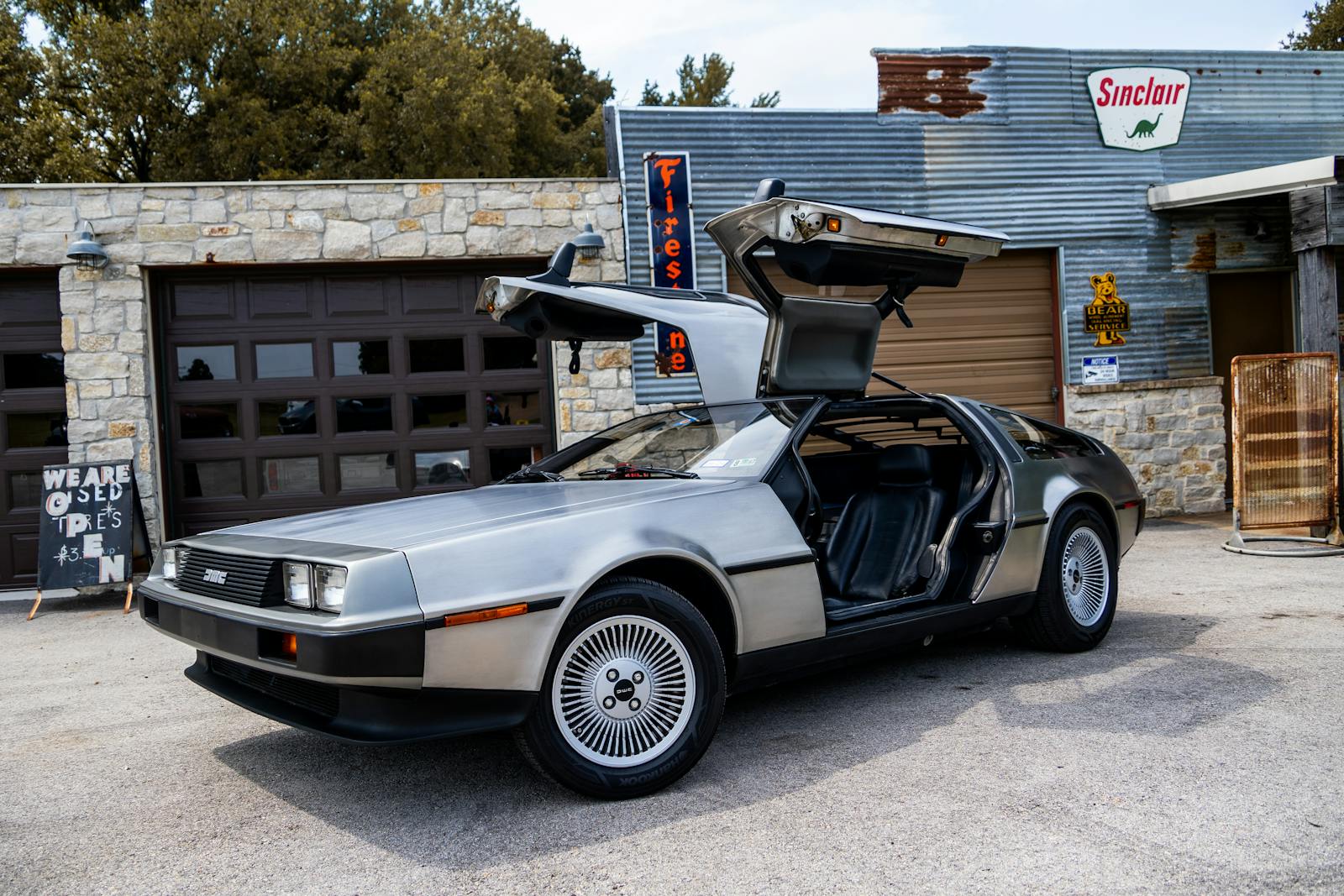
It’s impossible not to start with the DeLorean DMC-12. This car was destined for greatness, with its gull-wing doors, stainless steel body and futuristic design. It’s a symbol of 1980s optimism and excess. However, despite its starring role in the “Back to the Future” trilogy, the DeLorean was plagued by reliability issues and lackluster performance.
Fun fact: The DMC-12 was the only model ever produced by the DeLorean Motor Company. Today, it’s a collector’s item, a nostalgic nod to the future we once envisioned but never quite reached.
The Pontiac Aztek
The Pontiac Aztek is, in many ways, a poster child for cars that tried too hard to be cool. Marketed as a versatile crossover before the term was even coined, the Aztek’s futuristic design was meant to appeal to the adventurous, outdoorsy demographic. However, its odd looks and awkward proportions didn’t resonate with consumers.
Despite its clunky appearance, the Aztek was ahead of its time in terms of functionality. With features like a removable cooler and a built-in tent, it’s a reminder that sometimes, trying too hard can mean innovating ahead of public readiness.
The Fiat Multipla
The Fiat Multipla is the epitome of function over form. With its double-decker front end and room for six passengers, it was designed to maximize interior space. But its unconventional looks earned it a spot on many “ugliest cars” lists.
While it may not win any beauty contests, the Multipla is a masterclass in practicality. It’s a reminder that cool isn’t always about aesthetics—it’s also about daring to do things differently.
The Chrysler PT Cruiser
The Chrysler PT Cruiser was an attempt to capture the nostalgia of the 1930s hot rod era. With its retro styling and compact size, it was designed to stand out in a sea of bland sedans. However, the PT Cruiser was criticized for its poor performance and cheap interior.
Despite its shortcomings, the PT Cruiser developed a cult following. It’s a testament to the power of nostalgia, and how our connection to the past can often overshadow objective design flaws.
The Nissan Cube
The Nissan Cube is a car that marches to the beat of its own drum. With its asymmetrical design, bulbous shape, and unconventional interior, it was designed to be a mobile living room. But its quirky looks weren’t for everyone, and it struggled to find a market outside of Japan.
The Cube serves as a reminder that sometimes, cool is about embracing your uniqueness, even if it doesn’t appeal to everyone. It’s a car that isn’t afraid to be different, and there’s something inherently cool about that.
The Hummer H2
The Hummer H2 is a car that screams excess. With its massive size, aggressive styling, and thirst for fuel, it was designed to make a statement. However, its macho image and impracticality for daily driving made it a symbol of automotive excess.
Today, the H2 is a reminder of a time when bigger was seen as better. It’s a lesson in the importance of practicality and sustainability in design, and how our perceptions of cool can change over time.
In exploring these six cars that tried too hard to be cool, we’ve seen that the quest for coolness can sometimes lead to innovation, but also to misunderstanding. However, there’s beauty in these missteps. They remind us that cool is subjective, and often fleeting. So whether you drive a DeLorean or a Nissan Cube, embrace your car’s uniqueness. After all, the coolest car is the one that brings you joy.