

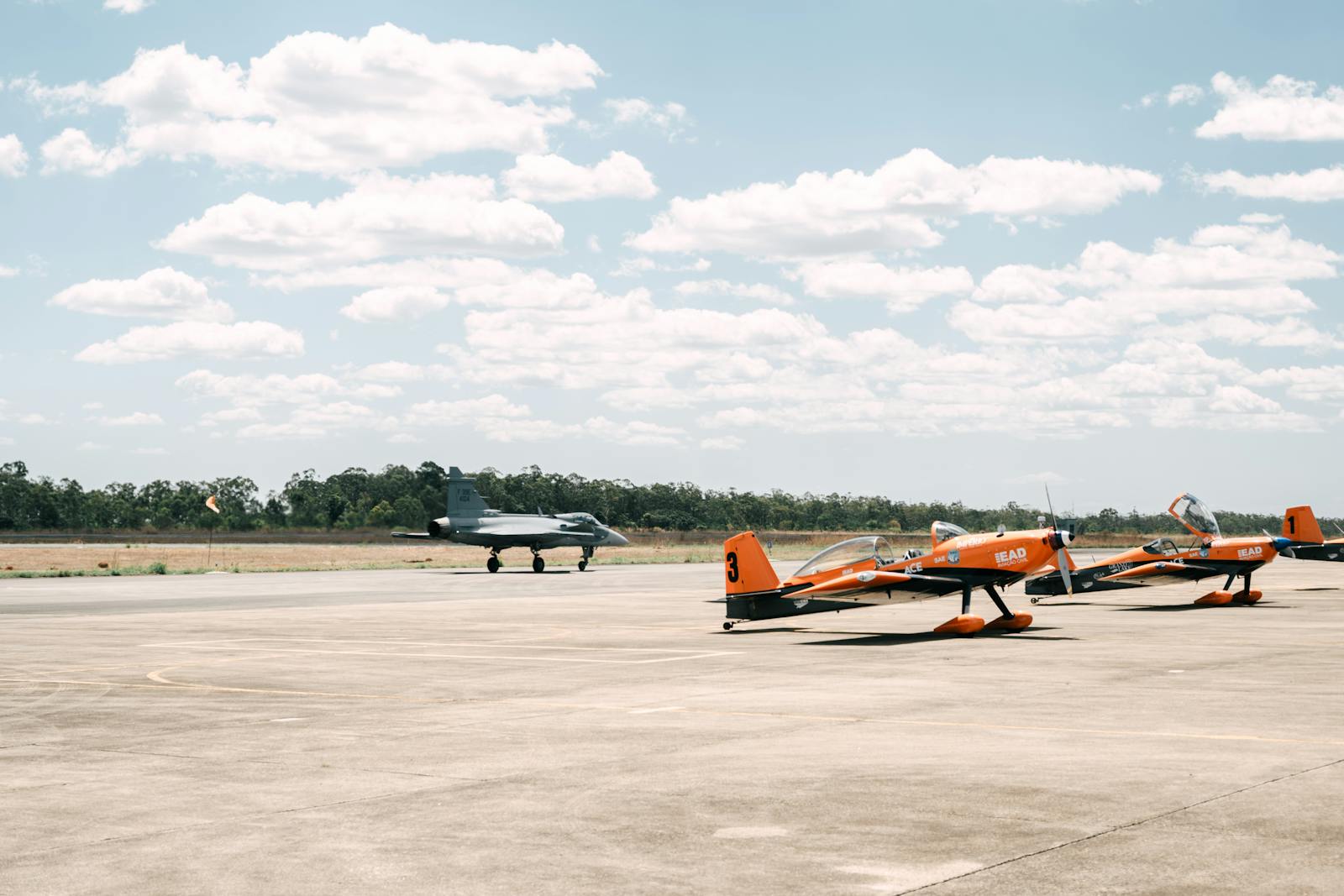
Air travel has undergone significant transformations since the inception of commercial aviation, with six aircraft standing out for their groundbreaking innovations and impact on the industry. These planes not only made flying more accessible to the general public but also changed how airlines operate, affecting millions of passengers globally. Their advancements in technology, efficiency, and comfort have left an indelible mark on the aviation landscape.
Boeing 707 (1958)
The Boeing 707, introduced in 1958, marked the beginning of the jet age for commercial aviation. With a cruising speed of approximately 600 miles per hour and a range of over 3,500 miles, it allowed airlines to connect distant cities with ease. This aircraft was instrumental in popularizing transcontinental and transatlantic flights, with over 1,000 units sold, leading to a boom in air travel that made flying affordable and desirable for the masses.
Douglas DC-3 (1936)
The Douglas DC-3, launched in 1936, is often credited with revolutionizing the airline industry by demonstrating that commercial air travel could be both profitable and practical. With a capacity of 21 passengers and a cruising speed of 207 miles per hour, it was the first aircraft to offer scheduled air service across the United States. Its reliability and performance made it a favorite among airlines, and it played a pivotal role in establishing the networks that would evolve into today’s global air transport system.
Boeing 747 (1970)
Known as the “Jumbo Jet,” the Boeing 747 made its maiden flight in 1969 and entered service in 1970. With a capacity to carry up to 660 passengers in a single-aisle configuration, the 747 revolutionized air travel by drastically reducing the cost per seat mile. Its ability to fly long distances—over 8,000 miles—opened up new international routes and made long-haul travel feasible for the average consumer. As of 2023, over 1,500 units have been built, cementing its status as an icon in aviation history.
Airbus A320 (1988)
The Airbus A320, which first flew in 1987, introduced the world to fly-by-wire technology, replacing traditional manual controls with electronic systems. This innovation improved safety and efficiency, setting new standards in the industry. With more than 10,000 aircraft sold by 2023, the A320 family has become the backbone of short- to medium-haul air travel, allowing airlines to operate with lower fuel consumption and increased reliability.
Embraer E-Jet Series (2004)
Launched in 2004, the Embraer E-Jet series transformed regional aviation by offering more efficient and comfortable options for short-haul flights. These aircraft typically seat between 70 and 130 passengers and feature advanced aerodynamics and fuel-efficient engines, reducing operating costs for airlines. The E-Jet series has sold over 1,600 units, significantly improving connectivity in smaller markets and contributing to the growth of regional airlines.
Boeing 787 Dreamliner (2011)
The Boeing 787 Dreamliner, which entered service in 2011, is noteworthy for its extensive use of composite materials, which reduce weight and improve fuel efficiency by up to 20% compared to traditional aircraft. With a range of up to 8,000 nautical miles, it allows airlines to operate longer routes without needing to refuel. The Dreamliner has been crucial in helping airlines reduce their carbon footprint while providing passengers with a quieter and more comfortable flying experience. Over 1,500 units have been sold as of 2023, showcasing its popularity and impact on modern air travel.
Conclusion
The evolution of civilian aircraft has been a driving force in shaping the modern aviation industry. From the Douglas DC-3 to the Boeing 787 Dreamliner, these aircraft have not only improved safety and efficiency but have also made air travel more accessible to the general populace. As air travel continues to evolve, it is crucial for consumers to stay informed about the latest advancements and how they may impact their travel experiences.
As the aviation industry adapts to new challenges such as sustainability and technological innovation, understanding the significance of these revolutionary aircraft becomes increasingly important. Stay updated on the latest developments in air travel to ensure you are making informed choices for your future flights.