

Throughout the history of aviation, several civilian aircraft have emerged as indispensable tools for various industries, proving their worth beyond mere transportation. These planes have not only served airlines but have also become crucial for cargo transport, medical evacuations, and agricultural applications. Understanding the impact of these aircraft is essential, as they continue to play a vital role in both local and global economies.
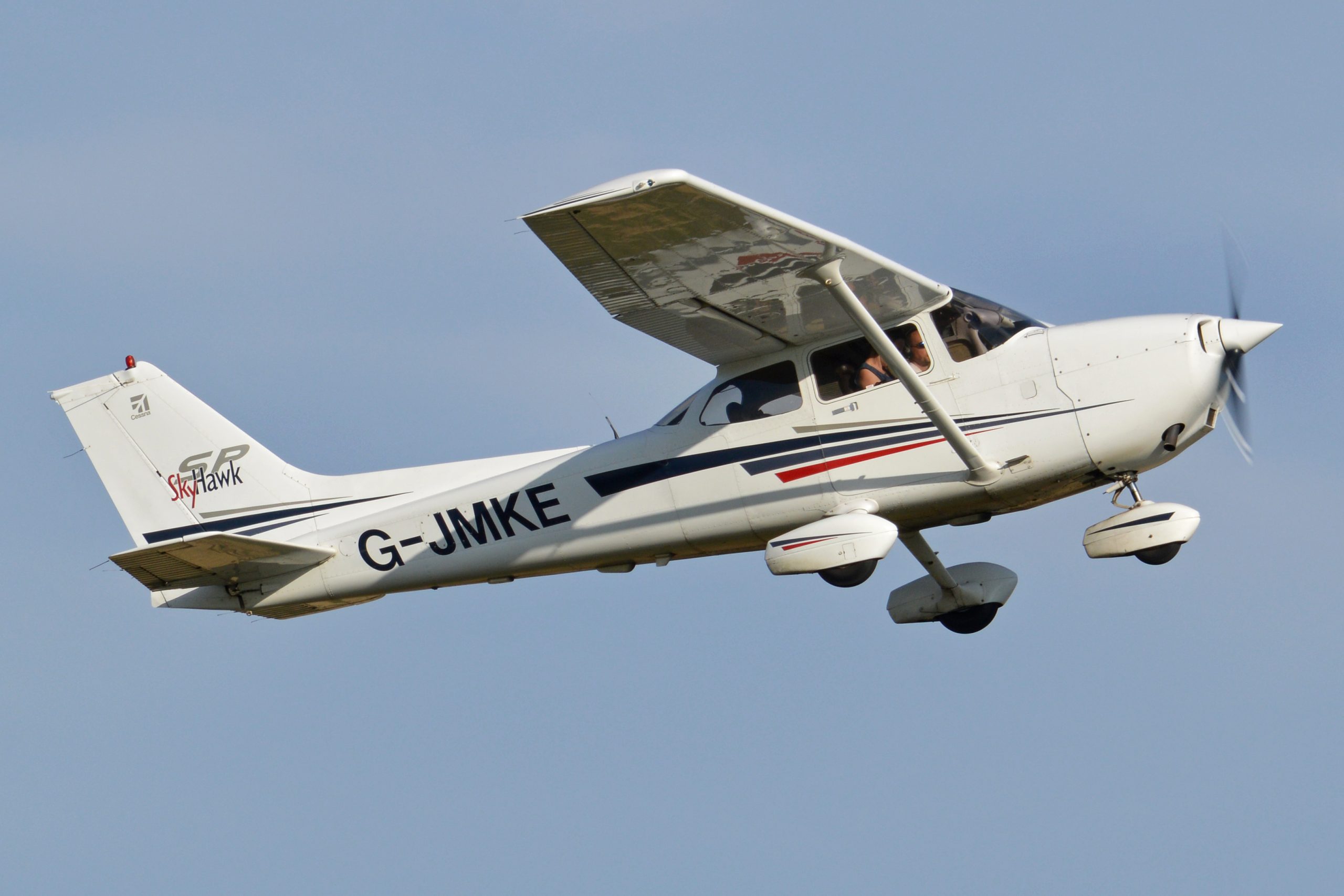
1. Cessna 172 Skyhawk
Introduced in 1956, the Cessna 172 Skyhawk is one of the most produced aircraft in history, with over 44,000 units manufactured. This single-engine plane is primarily used for flight training, personal use, and light cargo transport. Its reliability, ease of handling, and affordability make it an enduring favorite among private pilots and flying schools alike.
The Skyhawk’s versatility is highlighted by its ability to operate from short airstrips and in varying weather conditions, making it a dependable option for rural and remote locations. With a maximum speed of 140 knots and a range of approximately 800 nautical miles, it has proven its utility in various missions, from aerial photography to search and rescue operations.
2. Boeing 737
The Boeing 737, first introduced in 1968, has become the backbone of commercial aviation, with over 10,000 units delivered worldwide. This narrow-body aircraft is favored by airlines for its fuel efficiency and ability to serve short to medium-haul routes. The 737 series has been continually updated, with the most recent model, the 737 MAX, promising increased efficiency and safety features.
As of 2023, the 737 series accounted for more than 30% of the global commercial aircraft fleet. Its popularity has significantly impacted the aviation industry, enabling airlines to provide affordable travel options for millions of passengers each year. The 737’s reliability and operational flexibility have made it a beloved workhorse for airlines around the globe.
3. Pilatus PC-12
Since its debut in 1994, the Pilatus PC-12 has established itself as a favorite among private owners and charter operators. This single-engine turboprop aircraft is known for its spacious cabin, excellent payload capacity, and impressive short-field performance. With a maximum cruise speed of around 330 knots and a range of approximately 1,800 nautical miles, the PC-12 is well-suited for various missions, including cargo transport and medical evacuations.
The versatility of the PC-12 has made it particularly popular in remote regions where larger aircraft cannot operate. In 2022, the PC-12 was recognized for its ability to access over 3,000 airports in North America, underscoring its importance in connecting communities that might otherwise be isolated from essential services.
4. De Havilland Dash 8
The De Havilland Dash 8, also known as the Bombardier Q-Series, first entered service in 1984 and has become a mainstay for regional airlines. With its twin-engine turboprop design, the Dash 8 is renowned for its fuel efficiency and ability to operate in challenging environments. More than 1,200 units have been delivered, serving routes where larger jets are impractical.
In 2023, the Dash 8 was operating in over 30 countries, connecting underserved markets and providing critical air service for communities. Its advanced noise reduction technology and short takeoff and landing capabilities make it an attractive choice for airlines looking to balance performance with environmental considerations.
5. Airbus A320
Since its introduction in 1988, the Airbus A320 has transformed the landscape of commercial air travel, particularly for low-cost carriers. The A320 family, which includes the A318, A319, A320, and A321, has amassed over 10,000 deliveries, making it one of the most successful aircraft families in history. Its advanced fly-by-wire technology and fuel-efficient engines have made it a favorite among airlines worldwide.
As of 2023, the A320 family accounts for nearly 20% of the global commercial fleet, facilitating millions of passenger journeys each year. The aircraft’s ability to operate efficiently on domestic and international routes has solidified its status as a beloved workhorse in the aviation industry.
6. Embraer E-Jet Series
The Embraer E-Jet series, launched in 2004, has carved out a significant niche in the regional jet market. With over 1,500 units delivered, the E-Jets are favored for their comfort, efficiency