

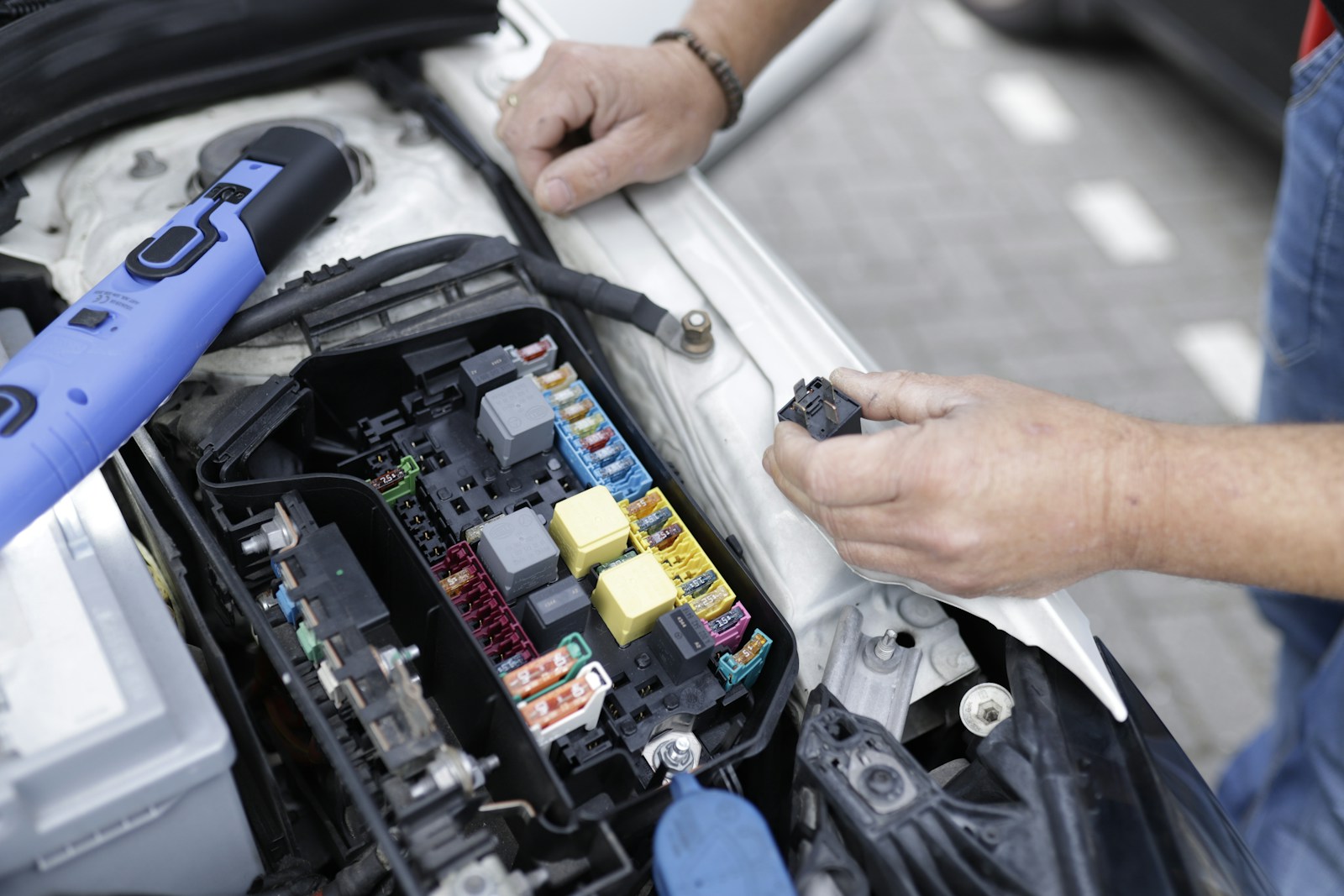
Recent trends in the automotive industry have revealed that several electric vehicle (EV) models are causing significant headaches for mechanics, primarily due to their complex technology and specialized components. This situation affects not only automotive professionals but also consumers who may face longer repair times and higher service costs. The shift towards electric vehicles, which reached a record 5.8 million sales globally in 2021, is reshaping the landscape of car maintenance and repair.
1. Tesla Model 3 (2017-Present)
The Tesla Model 3 has garnered acclaim for its performance and range, but mechanics have expressed frustration with its intricate systems. The vehicle’s reliance on software updates and proprietary parts complicates routine maintenance. Many independent mechanics report being unable to access essential diagnostic tools, leading to longer repair times. Tesla vehicles are known for their limited service networks, which can leave owners waiting for weeks for repairs.
2. Nissan Leaf (2011-Present)
While the Nissan Leaf has been a popular choice among EV owners, especially since it was the first mass-market electric car, its battery management system poses challenges for mechanics. The Leaf’s battery pack is designed to last, but when issues arise, repairs can be expensive and technically demanding. Mechanics often face difficulties in diagnosing battery issues without specialized equipment, which can deter them from working on Leaf models.
3. Chevrolet Bolt EV (2017-Present)
The Chevrolet Bolt EV has faced a tumultuous path, especially with its recent battery recall affecting over 140,000 vehicles due to fire risks. This recall has not only strained Chevy dealerships but also independent mechanics, who may lack the necessary technical training to handle battery replacements safely. The complexity of the Bolt’s battery system makes repairs challenging, resulting in longer wait times for owners seeking service.
4. Ford Mustang Mach-E (2021-Present)
The Mustang Mach-E has quickly gained popularity, but its advanced technology can baffle even seasoned mechanics. With features like over-the-air updates and a sophisticated electrical system, diagnosing issues can become a time-consuming process. Many mechanics express concern that they must invest in expensive training and equipment to work on these vehicles effectively. As the Ford electric lineup expands, the need for specialized knowledge will only increase.
5. BMW i3 (2014-2021)
The BMW i3, while a pioneering compact electric car, has a design that can be perplexing for mechanics. The i3’s unique carbon-fiber structure and electric drivetrains make it difficult to service without specific knowledge of its components. Mechanics have noted that the lack of available parts can lead to extended repair times, frustrating owners who expect swift service. Furthermore, the i3’s battery management system requires specialized training that not all mechanics possess.
6. Audi e-tron (2019-Present)
The Audi e-tron, a luxury electric SUV, combines high performance with advanced technology, but this sophistication often translates to repair difficulties. Mechanics have reported challenges in diagnosing issues due to the vehicle’s complex electrical architecture and reliance on proprietary software. The e-tron’s large battery pack also requires special handling during repairs, adding to the complexity and cost of service. Independent shops often struggle to keep up with the specialized training needed to work on these high-end vehicles.
The Implications for Car Owners
The growing number of electric vehicles on the road means that mechanics must adapt quickly to new technologies. For consumers, this transition can lead to longer repair times and potentially higher costs. According to a survey conducted by the Automotive Service Association, 70% of mechanics feel unprepared to handle the growing number of electric vehicles due to a lack of training and resources. As more people consider EVs, understanding the implications of maintenance on these vehicles becomes increasingly important.
Conclusion: Stay Informed and Prepared
As the electric vehicle market continues to expand, car owners must remain vigilant about the challenges associated with owning these vehicles. It’s crucial to choose models that not only meet personal needs but also come with accessible service options. Be sure to research local mechanics’ capabilities before purchasing an electric car to avoid unexpected repair delays. Car buyers should also stay informed about recalls and service updates to ensure their vehicles remain safe and reliable on the road.
For anyone considering an electric car, now is the time to ask questions and gather information about service and repair options. The future of transportation is electric, but understanding the complexities involved is essential for a smooth ownership experience.