

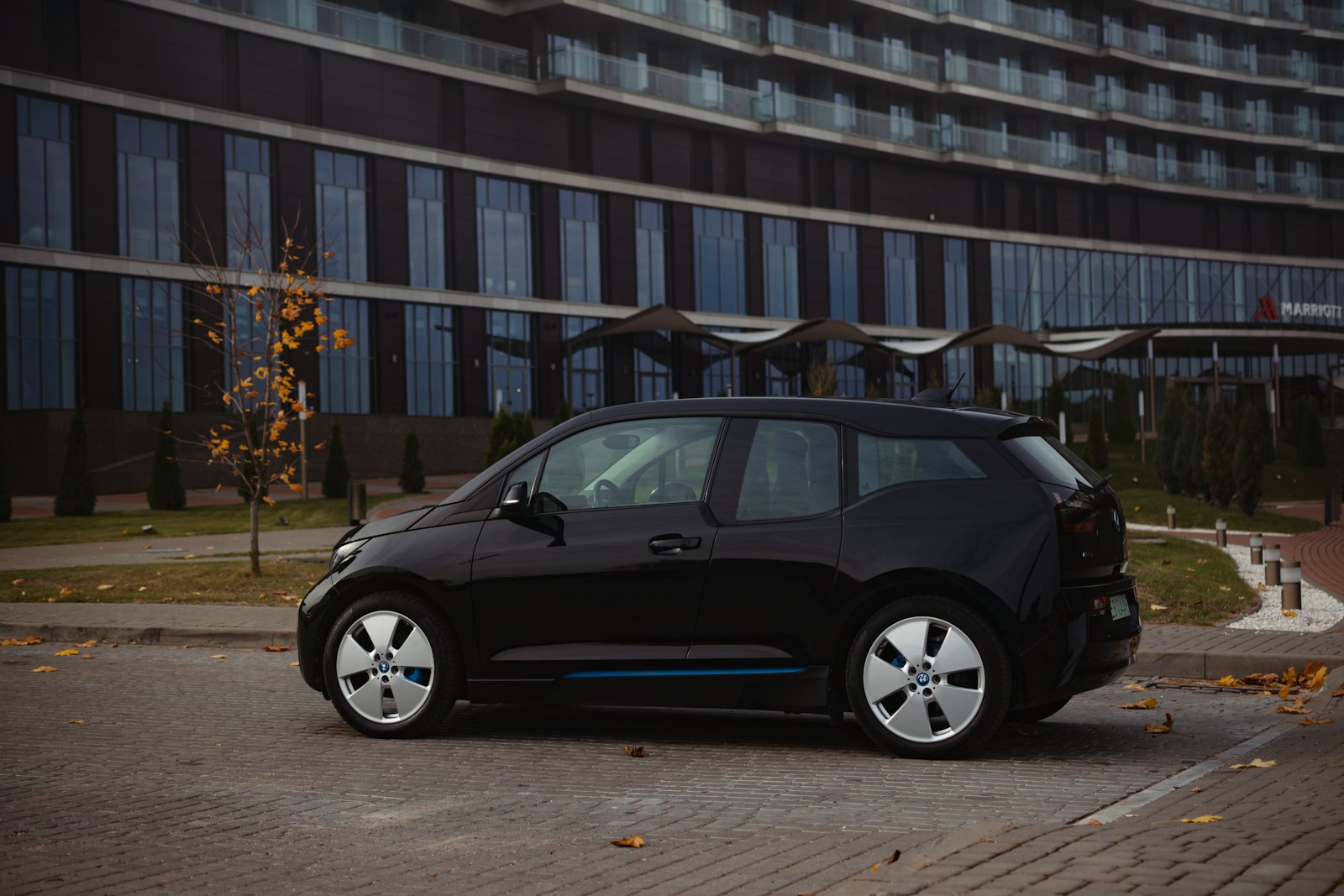
Despite the growing popularity of electric vehicles (EVs), not all models deliver on their promises. Recent analyses have revealed six electric cars that, while impressive in specifications and marketing, fall short in real-world performance. These shortcomings can impact consumers’ experiences and raise questions about the reliability of EV claims, affecting potential buyers’ decisions in an increasingly competitive market.
1. Tesla Model 3 (2021)
The Tesla Model 3 has been heralded for its impressive range of up to 353 miles on a single charge, but real-world data suggests that many drivers experience far less. Factors such as driving conditions, speed, and use of climate control can reduce the effective range to as low as 250 miles, making long trips less feasible without frequent charging stops. Additionally, reliability issues have arisen, with numerous reports of inconsistent build quality and software glitches, detracting from the overall ownership experience.
2. Ford Mustang Mach-E (2021)
The Ford Mustang Mach-E boasts a striking design and a projected range of up to 300 miles. However, consumers have reported that the actual range can drop significantly, particularly in colder weather, where it can plunge to below 200 miles. These variations can be frustrating for drivers who expect consistent performance. Moreover, the infotainment system has faced criticism for lagging and freezing, leading to an overall perception of unreliability.
3. Volkswagen ID.4 (2021)
The Volkswagen ID.4 is marketed as a versatile electric SUV with an appealing range of 250 miles. However, reviews indicate that many users have experienced a range closer to 200 miles, especially in urban settings where stop-and-go traffic is prevalent. Furthermore, the vehicle has been criticized for its lack of charging infrastructure compatibility, leaving owners stranded or facing longer-than-expected charging times, which can be a major inconvenience.
4. Chevrolet Bolt EV (2020–2022)
The Chevrolet Bolt EV gained attention for its affordability and claimed range of 259 miles, making it an attractive option for budget-conscious consumers. However, a series of recalls due to battery fire risks has overshadowed its reputation, with more than 140,000 vehicles recalled. While the company has addressed these concerns, potential buyers are left wary of the long-term safety and reliability of the model, undermining its initial appeal.
5. Nissan Leaf (2021)
The Nissan Leaf has been one of the longest-standing players in the electric vehicle market, boasting a range of 226 miles. However, many drivers report that the car’s performance declines significantly after a few years, resulting in a diminished range that hampers its practicality. Additionally, its aging design and limited technological features compared to newer competitors have made it less desirable among consumers seeking advanced EV capabilities.
6. BMW i4 (2022)
The BMW i4 has emerged as a luxury electric sedan with a range of up to 300 miles and high-performance specs. However, real-world tests have shown that the actual range often falls short, with many drivers managing only around 220 miles. Additionally, the i4 has been criticized for its high price point, which may not justify the performance and reliability issues reported by early adopters, leaving many questioning its value in the luxury EV segment.
Conclusion
While electric vehicles continue to gain traction in the automotive market, potential buyers should proceed with caution. The six models discussed here exemplify the discrepancy between advertised specifications and real-world performance. As demand for electric cars grows, consumers must stay informed about the limitations and challenges of these vehicles to make educated purchasing decisions.
With the EV landscape rapidly evolving, it is essential for drivers to research thoroughly and consider user experiences before committing to a purchase. As the automotive industry adapts to changing consumer needs, remaining vigilant about product reviews and performance data can help avoid potential pitfalls associated with these electric vehicles.