


When it comes to automotive reliability, the engine is the heart of the vehicle. However, not all engines are created equal, particularly when it comes to their fuel systems. Some engines are notorious for their problematic fuel systems, leading to costly repairs that can frustrate even the most seasoned car owners. Here’s a look at six engines known for their fuel system issues, why they fail, and the potential costs involved.
1. Ford 5.4L V8
The Ford 5.4L V8, commonly found in F-150s and Expeditions, has been plagued by fuel system issues, particularly with the fuel injectors. These injectors can become clogged or fail, leading to poor performance and increased emissions. Moreover, the design of the fuel rail can make replacement a labor-intensive task.
Repairing or replacing the fuel injectors can set you back hundreds of dollars, especially if you’re dealing with multiple injectors. Additionally, if the issue is not addressed promptly, it could lead to more severe engine damage, resulting in even higher repair costs.
2. Volkswagen 2.0 TSI
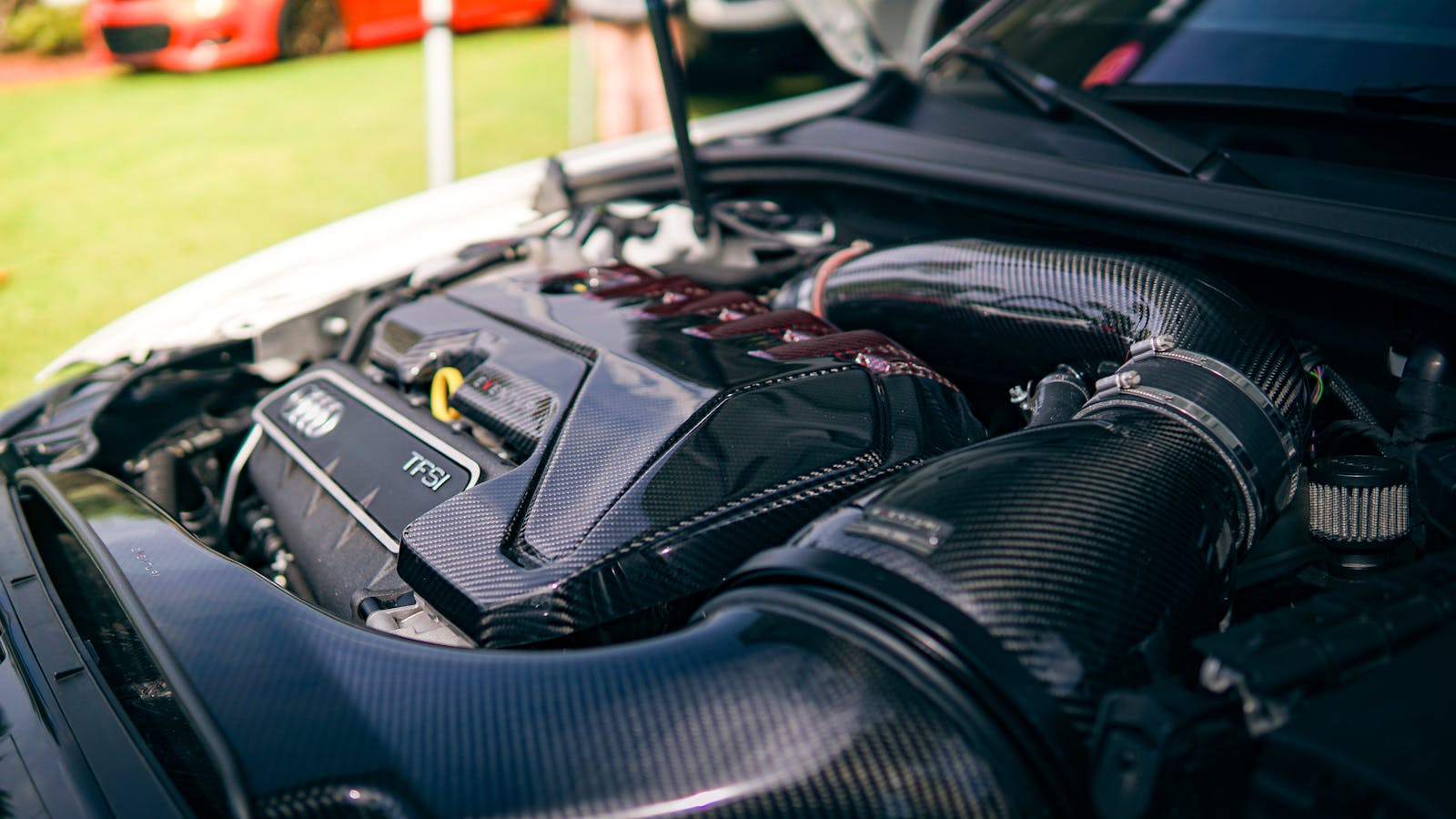
The Volkswagen 2.0 TSI engine is known for its performance, but its fuel system can create significant headaches. The direct injection system can accumulate carbon deposits over time, which can affect fuel delivery and engine efficiency. Regular maintenance is crucial, but many owners overlook this, leading to costly repairs.
When you finally decide to address the carbon buildup, you may be looking at a cleaning service that can range from a few hundred to over a thousand dollars. Additionally, neglecting these issues can lead to more severe engine problems down the line, further inflating repair costs.
3. BMW N54
The BMW N54 engine has garnered a reputation for its performance and tuning potential, but its fuel system is a different story. Issues with the high-pressure fuel pump (HPFP) and fuel injectors can lead to performance drops and rough idling. The complexity of the system means that diagnosing problems can take time and expertise.
4. Chevrolet 5.3L V8
The Chevrolet 5.3L V8 engine, often found in Silverado and Tahoe models, is a workhorse, but it has its share of fuel system woes. Issues with the fuel pump and fuel pressure regulator can lead to performance issues and even engine stalling. These components are crucial for maintaining proper fuel flow and pressure.
5. Audi 3.0 TFSI
Audi’s 3.0 TFSI engine is known for its smooth performance but comes with fuel system challenges that can be costly for owners. Similar to the Volkswagen 2.0 TSI, this engine often suffers from carbon buildup in the intake ports due to direct injection technology. This buildup can severely impact fuel efficiency and performance.
6. Dodge 5.7L HEMI
The Dodge 5.7L HEMI engine is a favorite among muscle car enthusiasts, but its fuel system isn’t without flaws. Problems with the fuel injectors and fuel pump can arise, particularly as the engine ages. These issues can lead to misfires, reduced power, and poor fuel economy.
Being informed about these engines and their fuel system issues can save you both time and money in the long run. Regular maintenance and early detection of problems are key to avoiding expensive repairs and ensuring your vehicle runs smoothly.