

As the electric vehicle (EV) market continues to expand, several models have garnered attention—not just for their innovative technology but also for early battery issues. This list highlights six EV models that have experienced notable battery problems, providing insight into potential pitfalls for prospective buyers.
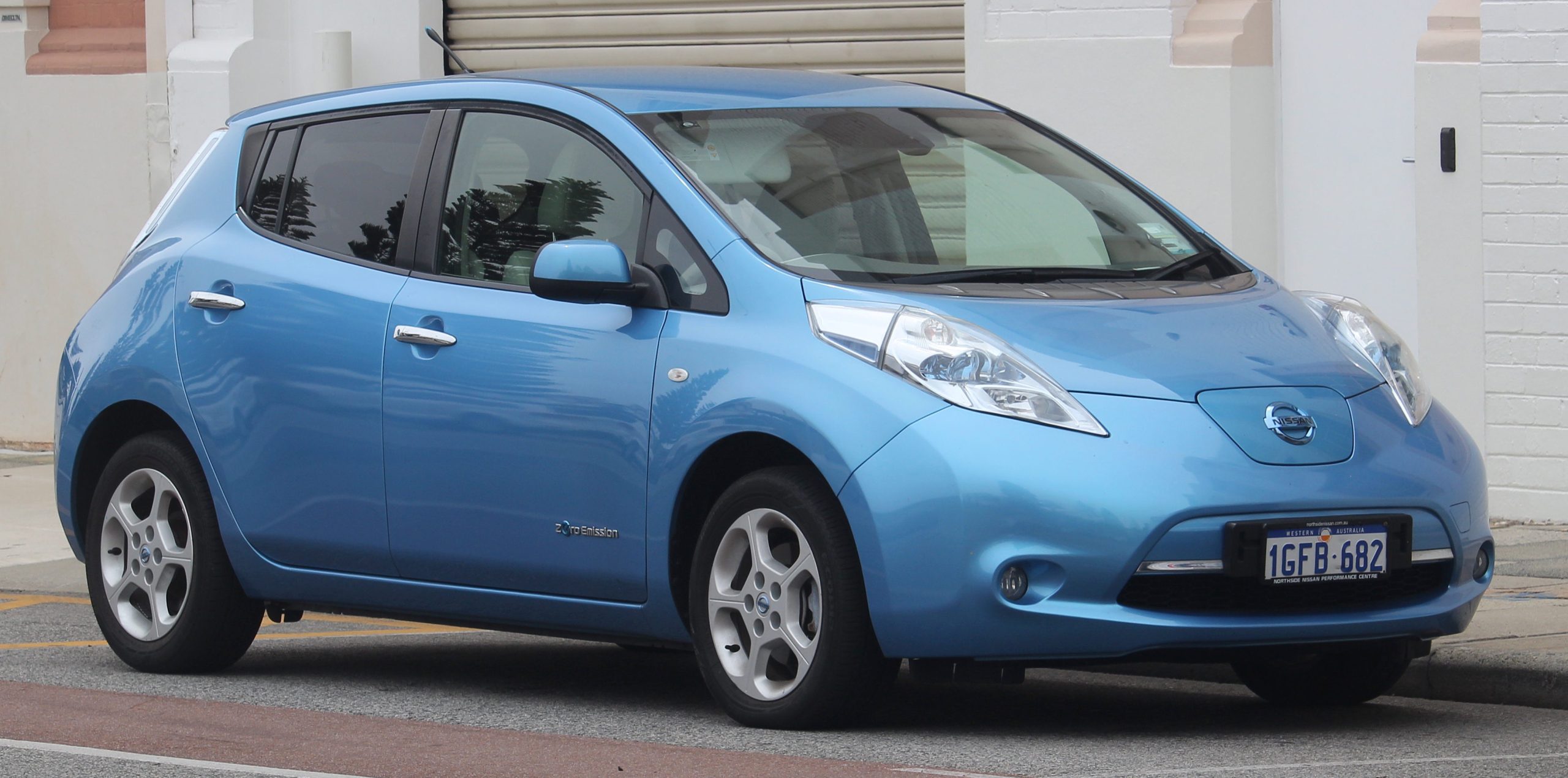
1. Nissan Leaf
The Nissan Leaf, one of the earliest mass-market EVs, has faced criticism for its battery degradation. Many owners reported significant capacity loss after a few years of use, especially in hotter climates. This issue has led to concerns about the vehicle’s long-term viability and overall value.
While Nissan has since improved the Leaf’s battery technology in newer models, early generations still pose risks for buyers looking for a dependable electric vehicle. It’s essential to research battery life and consider warranty options before purchasing.
2. Chevrolet Bolt EV
The Chevrolet Bolt EV gained attention for its impressive range, but early models were plagued by serious battery defects. Some units experienced battery fires, prompting a significant recall to address safety concerns. This situation raised alarms about the reliability of the Bolt’s battery design.
Although GM has rectified these issues in later models, the initial problems have left a lasting impression on consumers. Potential buyers should scrutinize the model year and stay informed about any ongoing battery management updates.
3. BMW i3
BMW’s i3 is known for its unique design and sustainable materials, but it has also faced criticism for battery problems. Users have reported issues with battery capacity, particularly as the vehicle ages, leading to diminished range and performance over time.
These concerns are particularly relevant for those considering a used i3. It’s wise to check the battery health and inquire about any service history before making a purchase, as repairs can be costly and impact the car’s resale value.
4. Ford Mustang Mach-E
The Ford Mustang Mach-E has made a substantial impact in the EV market, but it hasn’t been without its issues. Some early models encountered software glitches affecting battery performance and efficiency. These bugs could lead to unexpected range reductions and charging inconsistencies.
Ford has actively worked on resolving these issues through over-the-air updates, but potential buyers should remain vigilant. Researching user experiences and staying informed about software improvements can help mitigate concerns regarding battery reliability.
5. Hyundai Kona Electric
The Hyundai Kona Electric boasts a competitive range and features, yet early models faced battery-related issues, including reports of battery fires. These safety concerns prompted Hyundai to issue recalls and redesign aspects of the battery system to enhance safety and reliability.
While newer models have benefited from these updates, it’s crucial for buyers to verify the specific model year and recall status when considering a used Kona Electric. Thorough research and awareness can help avoid potential pitfalls with this popular EV.
6. Kia Niro EV
The Kia Niro EV shares a platform with the Hyundai Kona Electric, but it too encountered battery-related challenges in earlier iterations. Owners noted issues with reduced capacity and performance, which could be frustrating for those relying on consistent range for daily commuting.
As with other models on this list, updated versions of the Niro EV have addressed many of these concerns. However, prospective buyers should carefully assess the model year and any reported issues to ensure they choose a reliable vehicle.
Understanding the potential battery problems associated with these EV models is essential for informed decision-making. By conducting thorough research and asking the right questions, you can steer clear of potential issues and drive away with a dependable electric vehicle.