

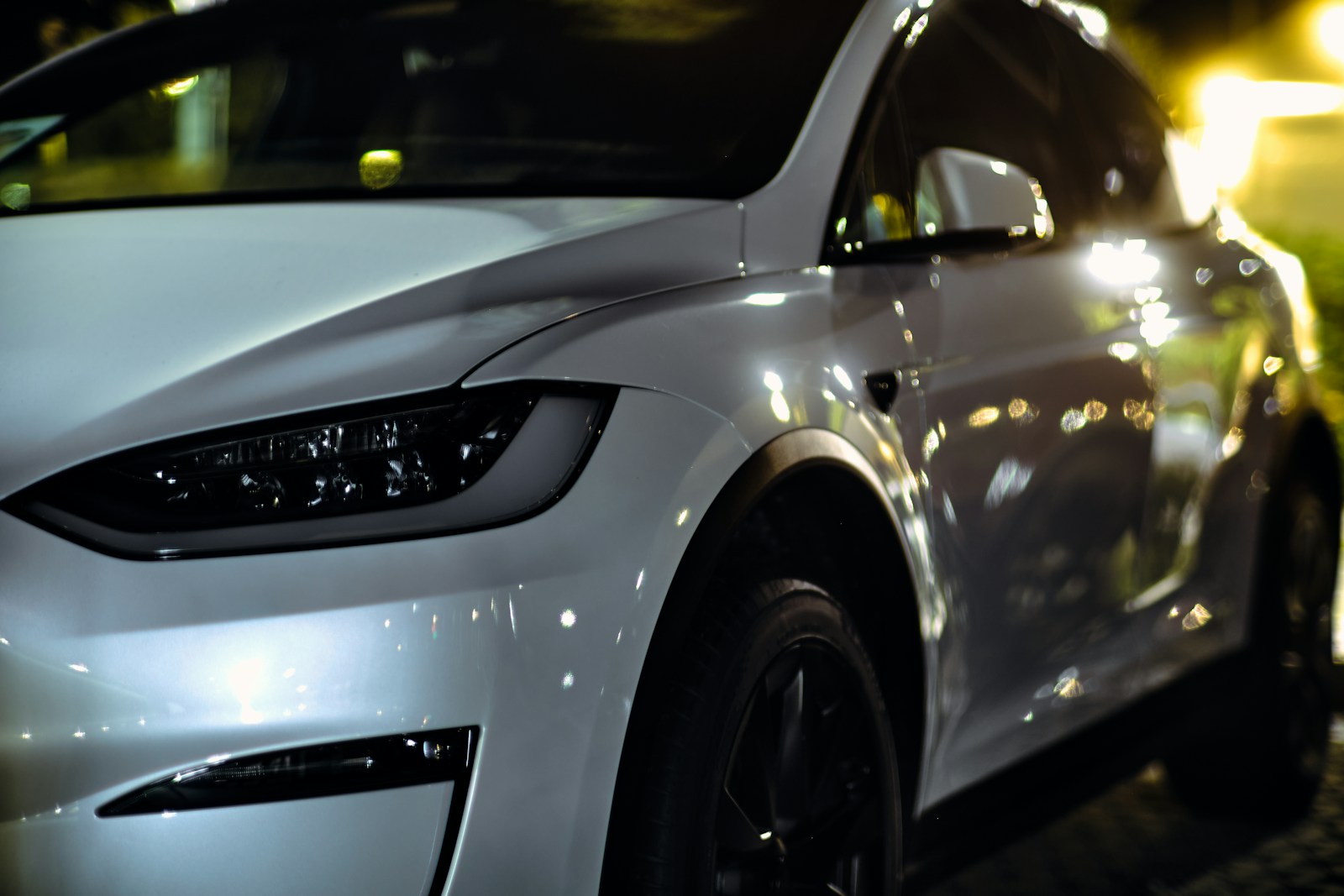
As the electric vehicle (EV) market continues to expand, several models that began as promising concepts have ultimately fallen short of expectations. This trend not only affects manufacturers struggling to meet consumer demand but also highlights the challenges of bringing innovative designs to the mass market. Here are six electric vehicles that many believe would have been better off remaining as concepts.
1. Tesla Cybertruck (2020)
The Tesla Cybertruck was unveiled in 2019 with a futuristic design and bold promises of performance, including a range of over 500 miles. However, production delays and design flaws have plagued the vehicle, which has yet to hit the market as of late 2023. Critics have raised concerns over the vehicle’s unconventional aesthetics and practicality, leading many to question whether it will ever achieve the anticipated popularity.
2. Faraday Future FF 91 (2022)
Faraday Future’s FF 91 was introduced with great fanfare, boasting a high-tech interior and impressive performance metrics, including 0-60 mph in just 2.39 seconds. However, the company has faced severe financial difficulties, resulting in numerous production setbacks and layoffs. As of October 2023, the FF 91 remains a rare sight on the roads, with only a few hundred units having been delivered, raising doubts about its viability in a competitive market.
3. Canoo Lifestyle Vehicle (2022)
The Canoo Lifestyle Vehicle was targeted as a multifunctional EV with a unique design and modular interior. However, despite initial excitement, Canoo has struggled to secure the necessary funding and has repeatedly pushed back production timelines. As of now, the vehicle has yet to see a substantial release, leading to skepticism that it may never become more than a mere concept.
4. BMW iX (2022)
The BMW iX was designed to be a flagship electric SUV that would showcase the brand’s commitment to sustainability. While it features advanced technology and a luxurious interior, many reviewers have criticized its high price point, starting at around $84,000. Sales figures have been disappointing, with BMW reporting only 15,000 units sold in its first year, indicating that the iX may not resonate with the broader market.
5. Mercedes-Benz EQC (2019)
The EQC was Mercedes-Benz’s first entry into the luxury electric SUV market, boasting a range of about 200 miles. However, it has faced stiff competition from rivals like the Tesla Model Y and Ford Mustang Mach-E, leading to a lackluster reception. As of October 2023, the EQC has seen only 10,000 units sold globally, prompting Mercedes to rethink its electric strategy and focus on more successful models.
6. Fisker Ocean (2023)
The Fisker Ocean was presented as an eco-friendly SUV with an emphasis on sustainability and innovative features. However, despite its ambitious design and environmental claims, the vehicle has been plagued by delays and production issues. With a projected price of $37,499, the Ocean aims to appeal to budget-conscious consumers, but its market entry has been pushed back to late 2023, casting doubt on its long-term success.
Conclusion
The electric vehicle landscape is rapidly evolving, but not every innovative concept translates into a successful production model. As these six vehicles illustrate, challenges such as production delays, financial difficulties, and competition can significantly impact a model’s success. For consumers and investors alike, it’s essential to remain vigilant and informed about the realities of these EVs. The future of electric vehicles holds immense potential, but not all concepts will make the transition to reality. Stay updated and consider your options carefully before committing to the latest trends in EV technology.