

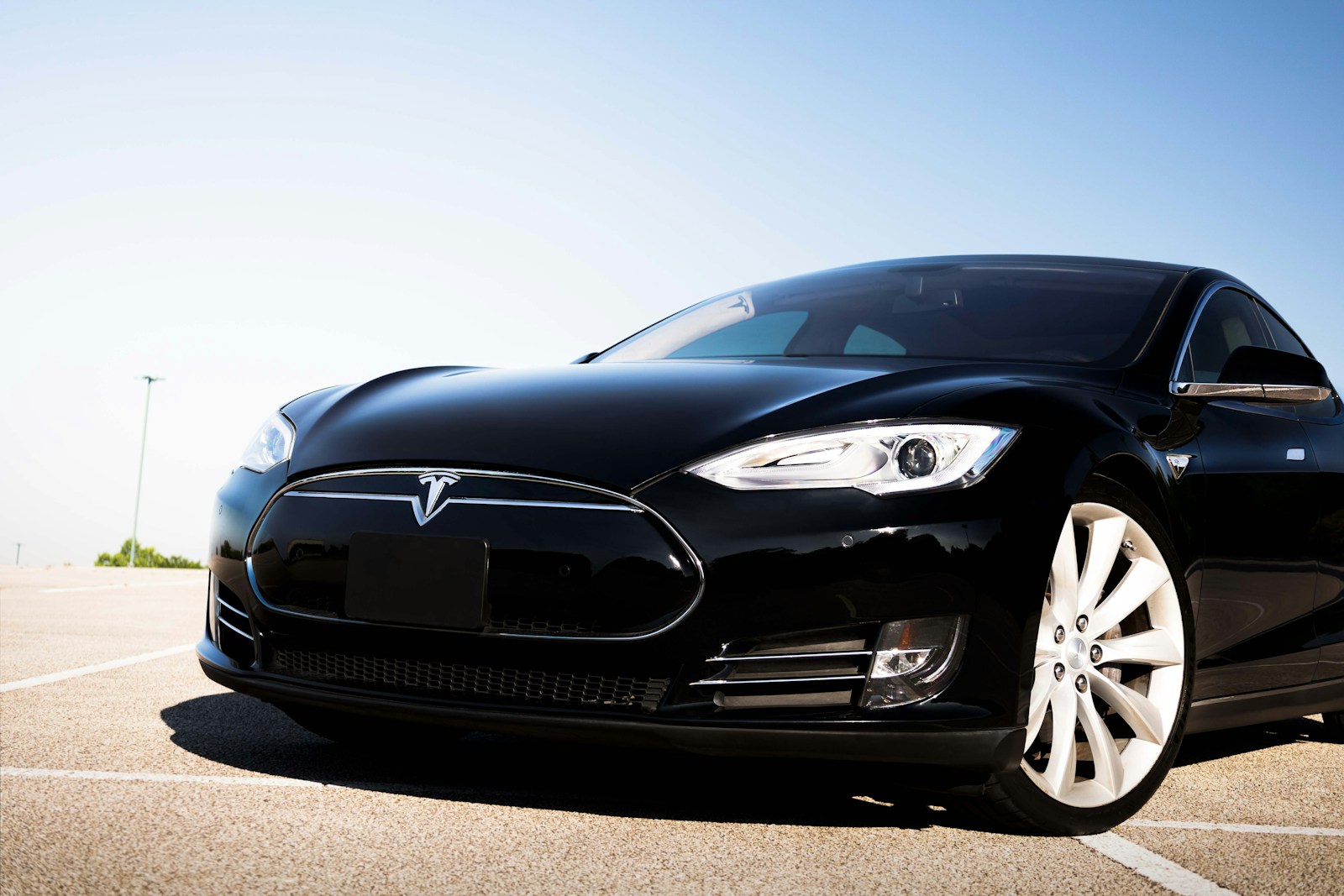
Despite the rapid growth of the electric vehicle (EV) market, recent developments in battery technology highlight significant limitations that continue to challenge widespread adoption. With issues like range anxiety, long charging times, and battery lifespan, consumers may need to reconsider their options before fully committing to an electric future. This article examines six specific EV models that exemplify these ongoing battery-related concerns, affecting both current and prospective electric car buyers.
1. Tesla Model 3 (2021)
The Tesla Model 3 has become a poster child for the EV revolution, boasting a range of up to 358 miles. However, many owners have reported a decrease in battery efficiency over time, with some users experiencing as much as a 20% reduction in range after two to three years of use. This decline raises questions about the long-term viability of lithium-ion batteries, which still dominate the EV market.
2. Nissan Leaf (2018)
The Nissan Leaf has been a staple in the electric vehicle market since its introduction in 2010. The 2018 model offers a range of approximately 151 miles. Yet, numerous reports indicate that the Leaf’s battery can degrade prematurely, with some owners noting significant range reductions after just a few years. This phenomenon not only affects the vehicle’s practicality but also impacts resale values, which can deter potential buyers.
3. Chevrolet Bolt EV (2020)
The Chevrolet Bolt EV has garnered attention for its affordability and relatively impressive range of around 259 miles. Nonetheless, the model has faced serious battery issues, leading to a massive recall of over 140,000 vehicles in late 2021 due to fire risks associated with battery defects. This incident underscores the ongoing safety concerns tied to battery technology, which can have far-reaching implications for consumer trust in electric vehicles.
4. Audi e-tron (2021)
Audi’s e-tron offers luxury alongside performance, with a range of about 222 miles. However, many drivers have reported that real-world performance falls short, especially in cold weather conditions where battery efficiency can plummet. Additionally, charging times can extend well beyond expectations, with some users experiencing waits of over 30 minutes for a significant charge. These challenges highlight the limitations of current battery technology in meeting consumer demands for reliability and convenience.
5. Ford Mustang Mach-E (2021)
The Ford Mustang Mach-E has made waves as a sporty alternative in the electric vehicle landscape, offering a range of up to 300 miles. However, owners have pointed out that the advertised range often does not hold up under real-world driving conditions, particularly in urban settings where frequent stops can drain the battery faster than anticipated. Furthermore, charging infrastructure remains inconsistent, making long-distance travel a logistical challenge for many users.
6. Hyundai Kona Electric (2020)
The Hyundai Kona Electric stands out for its stylish design and a competitive range of approximately 258 miles. Yet, like other models, it faces issues related to rapid battery degradation. Consumers have reported that the Kona’s battery capacity can diminish significantly after just a few years of use, raising concerns about its longevity and the overall cost of ownership. Combined with limited charging options in some areas, these factors can deter potential buyers from making the switch to electric.
The Road Ahead for EV Battery Technology
As these examples illustrate, while the electric vehicle market continues to grow, significant hurdles remain in battery technology. Issues such as range anxiety, long charging times, and battery degradation are prominent concerns that could impede consumer adoption. According to a 2023 report by the International Energy Agency, global EV sales surged by 60% in 2021, yet the market still comprises only about 10% of total vehicle sales, indicating that many consumers are hesitant to fully embrace electric vehicles.
Advancements in battery technology, such as solid-state batteries, could potentially address many of these challenges by offering greater efficiency, longer life spans, and improved safety. However, widespread implementation of these technologies is still years away, leaving current EV models to grapple with their inherent limitations.
Conclusion: The Need for Consumer Vigilance
As electric vehicles continue to carve out a niche in the automotive market, potential buyers must remain informed about the realities of battery technology. The six models highlighted in this article serve as a reminder that while electric vehicles can offer many benefits, they also come with substantial drawbacks that need to be considered. Prospective buyers should weigh these factors carefully, especially as the industry evolves and new technologies emerge.