

Over the past century, several experimental aircraft have dramatically influenced the aviation industry, leading to advancements in technology, safety, and efficiency. These aircraft not only pushed the boundaries of aerodynamics but also set new standards for commercial and military aviation. Understanding their impact is essential for anyone interested in the future of flight and innovation in aerospace engineering.
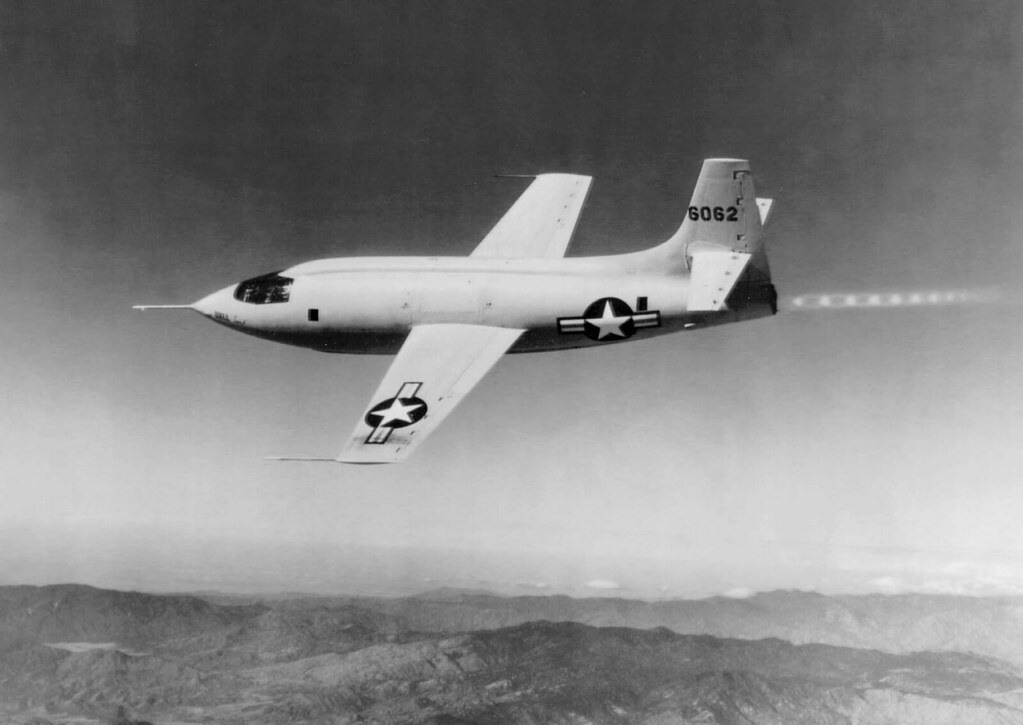
1. Bell X-1 (1947)
The Bell X-1 was the first aircraft to break the sound barrier, achieving this milestone on October 14, 1947, piloted by Chuck Yeager. This momentous flight at Mach 1.06 proved that supersonic flight was possible, leading to the development of faster military jets and, eventually, commercial supersonic transports like the Concorde. The X-1’s design and data on aerodynamics paved the way for future aircraft to operate at higher speeds safely and efficiently.
2. Lockheed SR-71 Blackbird (1966)
The Lockheed SR-71 Blackbird, which entered service in 1966, remains one of the fastest aircraft ever built, capable of reaching speeds over Mach 3. This reconnaissance aircraft was designed for high-altitude, high-speed missions, gathering vital intelligence during the Cold War. Its innovative materials and designs, including radar-absorbing surfaces and a unique fuselage shape, have influenced modern stealth technology used in contemporary military aircraft.
3. Boeing 787 Dreamliner (2009)
Launched in 2009, the Boeing 787 Dreamliner revolutionized commercial aviation with its use of composite materials, resulting in a 20% improvement in fuel efficiency compared to similarly sized aircraft. The 787’s innovative design allows for larger windows and improved cabin pressure, enhancing passenger comfort. Spanning over 1,600 deliveries by 2023, the Dreamliner has not only transformed airline fleets worldwide but also set new benchmarks for environmental sustainability in aviation.
4. Airbus A380 (2005)
First entering service in 2007, the Airbus A380 is the world’s largest passenger airliner, accommodating up to 850 passengers in a single-class configuration. This double-deck aircraft was designed to meet increasing global air travel demand, allowing airlines to maximize capacity on busy routes. Its introduction marked a significant shift in long-haul travel, as airlines began to prioritize efficiency and passenger experience, ultimately reshaping hub-and-spoke networks in international aviation.
5. NASA’s X-57 Maxwell (2020)
The X-57 Maxwell, developed by NASA, is a pioneering electric aircraft designed to demonstrate the viability of electric propulsion in aviation. First flown in 2020, the X-57 aims to reduce greenhouse gas emissions and noise pollution associated with traditional aviation. With its all-electric configuration and innovative wing design, this aircraft may pave the way for a new era of sustainable air travel, potentially reducing operating costs for airlines by as much as 40% over conventional aircraft.
6. SpaceX Starship (2020)
SpaceX’s Starship, while still in development, promises to redefine space travel and exploration. Designed for missions to Mars and beyond, it aims to be the first fully reusable spacecraft, significantly lowering the cost of access to space. The potential of Starship to transport up to 100 metric tons makes it a game changer for both commercial satellite launches and deep-space exploration, potentially altering the future of interplanetary travel.
Conclusion
The innovations brought forth by these six experimental aircraft have not only shaped the present aviation landscape but also indicate the trajectory for future developments in the industry. As technology continues to evolve, the importance of these pioneering aircraft remains vital. Aviation enthusiasts, industry professionals, and policymakers alike should stay informed about ongoing developments and innovations that could further impact air travel and safety.
As the aviation sector faces challenges such as climate change and the need for more efficient travel, the lessons learned from these experimental aircraft will be instrumental in addressing these issues. Stay tuned for updates on emerging technologies that could redefine the way we fly and explore our world.