

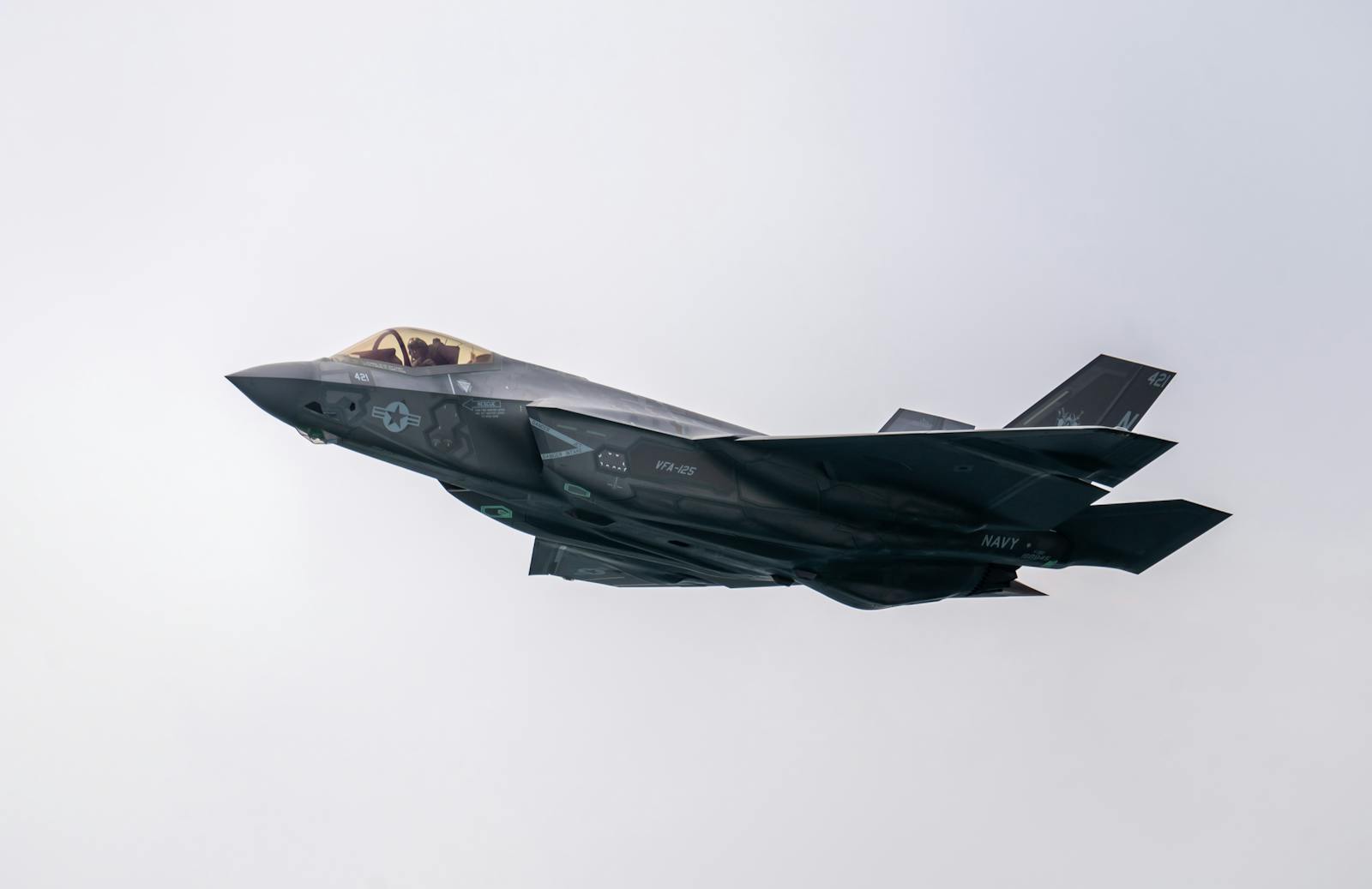
In the world of military aviation, certain fighter jets have proven to be so well-engineered that they remain relevant and effective decades after their initial designs. This enduring quality impacts not only military strategies but also global defense budgets, as nations continue to invest in these timeless aircraft. Here, we explore six fighter jets whose engineering excellence has allowed them to transcend their original purpose and adapt to modern warfare.
1. Boeing F-15 Eagle
First introduced in 1976, the Boeing F-15 Eagle remains one of the most formidable air superiority fighters in use today. With over 100 victories and zero losses in air-to-air combat, the F-15’s design emphasizes speed, maneuverability, and advanced avionics. The aircraft’s continuous upgrades, including the F-15EX variant introduced in 2021, keep it competitive against newer models, highlighting its timeless engineering.
2. Lockheed Martin F-16 Fighting Falcon
Since its debut in 1978, the F-16 Fighting Falcon has become one of the most widely used fighter jets globally, with more than 4,600 units built. Its versatility allows it to perform various roles, from air-to-air combat to ground attack missions. The aircraft’s small size and lightweight design contribute to its agility, making it a favorite among pilots and air forces alike. Recent upgrades, such as the F-16V, incorporate cutting-edge technology, ensuring its relevance in contemporary conflicts.
3. McDonnell Douglas F-4 Phantom II
The F-4 Phantom II, a twin-engine jet introduced in 1960, has left an indelible mark on military aviation. With over 5,000 units produced, it played a significant role in the Vietnam War and has been used by various air forces worldwide. Although officially retired by the U.S. Air Force in 1996, many countries still operate modified versions. Its robust airframe and adaptability have allowed it to serve in multiple roles, from intercepting enemy aircraft to ground support.
4. Sukhoi Su-27 Flanker
Entering service in 1985, the Sukhoi Su-27 Flanker represents the pinnacle of Soviet engineering and has influenced several modern fighter designs. Known for its exceptional maneuverability and long-range capabilities, the Su-27 is a staple in the Russian military and has been exported to multiple countries. Variants like the Su-35, which features advanced avionics and weaponry, demonstrate the platform’s ability to evolve while retaining its core design principles.
5. Northrop F-5 Freedom Fighter
Originally designed in the 1960s, the Northrop F-5 Freedom Fighter is celebrated for its simplicity and cost-effectiveness. With more than 2,600 units produced, it has been a popular choice for many nations due to its low operational costs and ease of maintenance. While it may not possess the advanced capabilities of newer jets, its lightweight design and agility make it a reliable option for air forces with limited budgets. The F-5 remains in service in various forms, showcasing its enduring appeal.
6. Eurofighter Typhoon
The Eurofighter Typhoon, first entering service in 2003, represents a collaboration between four European nations: the UK, Germany, Italy, and Spain. Designed to be a multi-role fighter, the Typhoon boasts advanced avionics, high agility, and a powerful thrust-to-weight ratio. Its continued development ensures that it remains competitive against newer aircraft, making it a key player in NATO air operations. With over 600 units built, the Typhoon’s engineering excellence exemplifies the blend of performance and versatility that modern air forces require.
Conclusion: A Legacy of Engineering Excellence
The fighter jets highlighted above stand as testaments to exceptional engineering, each showcasing unique design philosophies that have allowed them to adapt and remain relevant in the face of evolving warfare. Their enduring presence not only influences military strategies but also shapes global defense expenditures, with nations often choosing to modernize these proven platforms rather than invest in new models. As geopolitical tensions continue to rise, the importance of reliable and effective combat aircraft cannot be overstated.
For those interested in military aviation or defense policy, it’s crucial to stay informed about the developments surrounding these aircraft. As nations continue to assess their military capabilities, understanding the legacy and engineering of these fighter jets will be key to grasping future trends in military strategy. Don’t miss out on the latest updates; subscribe for more insights on military technology and global defense news.