
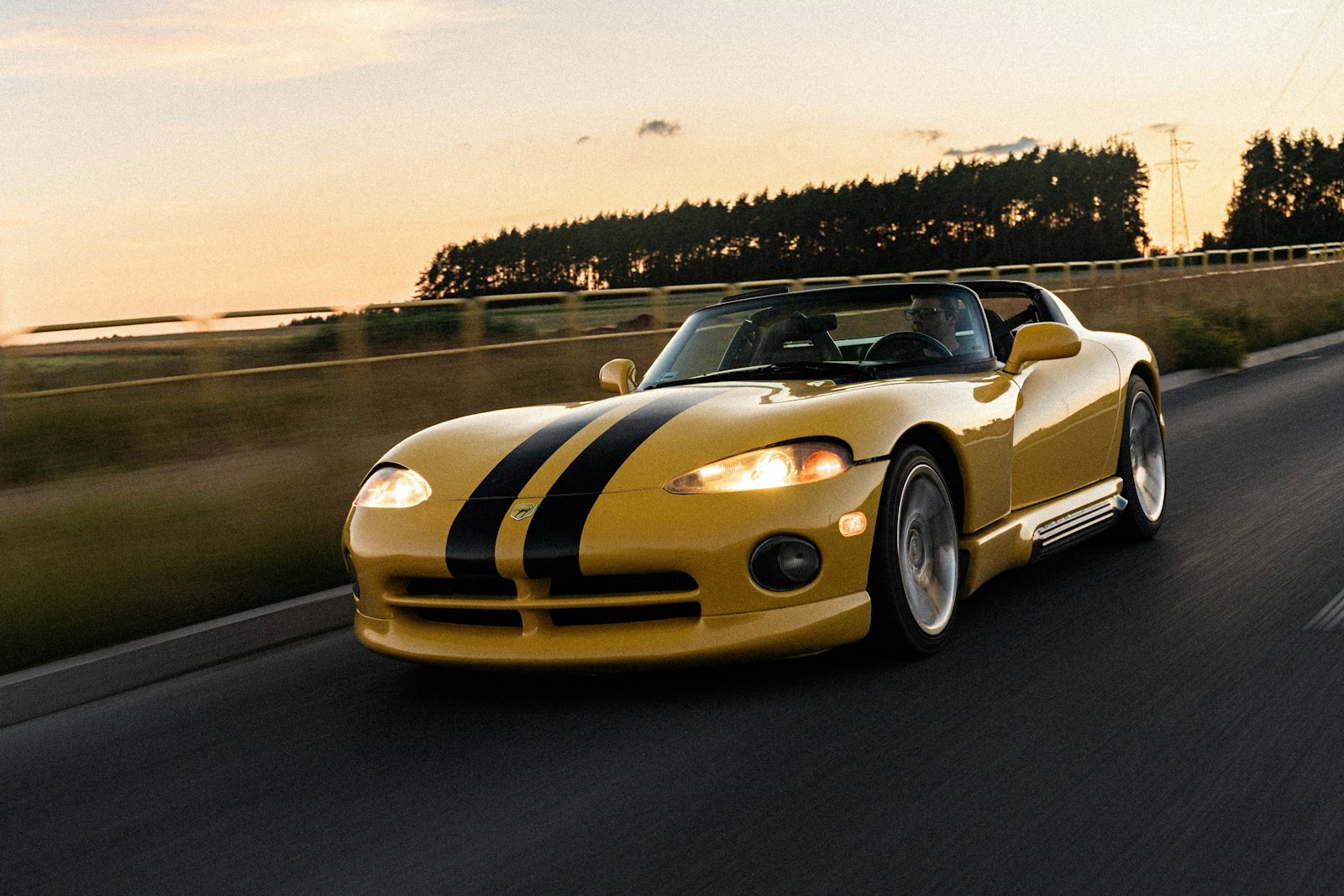

You’ll feel how close Chrysler came to the edge and how a few standout halo cars quietly pulled it back from the brink. These six models didn’t just turn heads — they brought money, credibility, or cultural cachet at moments the company needed them most.
This article walks through those high-impact vehicles and why each mattered to Chrysler’s survival during its toughest stretches. Expect concise profiles that show how design, performance, or strategic positioning kept the brand afloat when broader lineups struggled.
Chrysler 300 (2005)
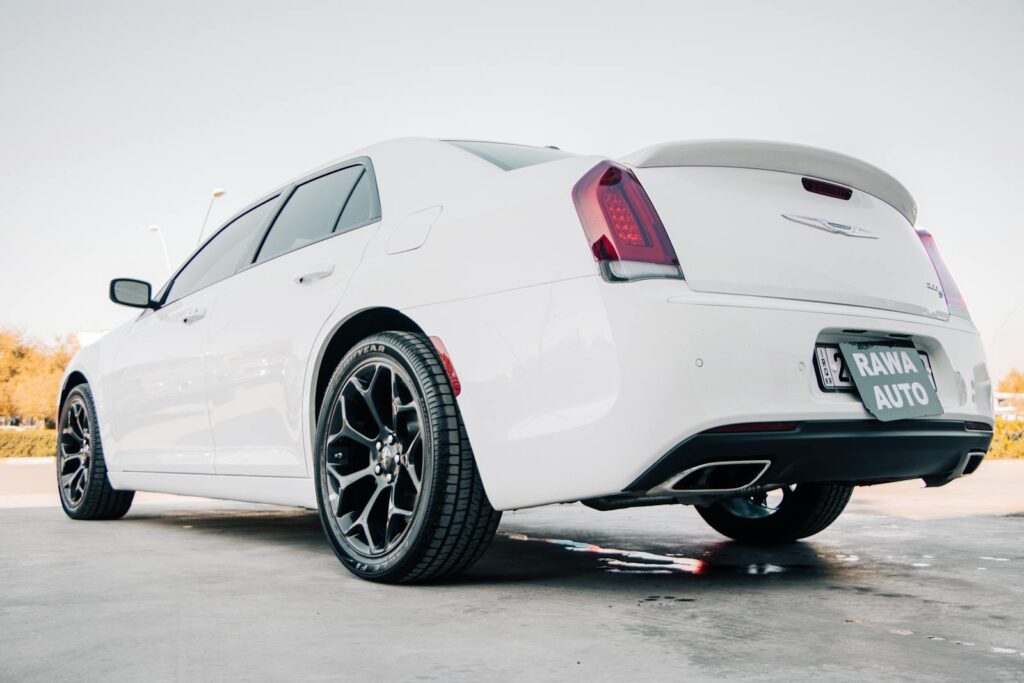
You remember the 300’s bold grille and rear-wheel stance; it felt like a statement when it debuted.
It brought classic proportions and available V8 power that made buyers notice Chrysler again.
You could choose a comfortable cruiser or the SRT8 for serious performance.
The model helped sell nearly half a million examples across early years and became a cultural touchpoint, from TV to aftermarket scenes.
Learn more about the car’s history and evolution on the Chrysler 300 Wikipedia page.
Plymouth Valiant (1961)
You likely didn’t notice the Valiant at first, but it quietly saved Plymouth by offering a compact, reliable alternative to bulky cars. Its Slant-6 engine earned a reputation for durability, so you could count on it for years of trouble-free driving.
Chrysler used fresh engineering ideas and even early computer-assisted design, which gave the Valiant a tidy, efficient package. If you want a car that backed up promise with dependable performance, the 1961 Valiant fits that bill.
Chrysler TC by Maserati (1989-1991)
You remember the TC as Chrysler’s upscale hope, a joint effort with Maserati that dressed a K-platform car in Italian styling and polish.
It arrived late to market and sold modestly — about 7,300 units — yet it gave Chrysler a luxury image it badly needed.
You’ll find Italian interior touches and Maserati-tuned elements amid familiar Chrysler underpinnings.
That blend made the TC distinctive without pretending it was a true exotic.
Learn more about its history and production numbers at Hemmings.
Dodge Viper RT/10
You felt the Viper before you saw it: raw V10 roar and a stripped-down cockpit that ignored niceties.
It shoved Chrysler into headlines with a brutal, analog approach while you clung to the wheel and learned respect fast.
This car wasn’t about comfort; it sold an attitude and helped keep attention — and buyers — on the brand.
Read more about its early impact and wild character at this profile of the original Dodge Viper RT/10.
Chrysler Crossfire
You probably remember the Crossfire for its odd, Mercedes-like looks and narrow production run.
It borrowed AMG underpinnings and, in SRT-6 form, a supercharged 3.2L V6 that pushed performance past typical Chrysler fare.
If you want something rare, the SRT-6’s limited numbers make it a quirky collectible.
Check details like supercharger service history and convertible top condition before you buy: maintenance matters more than hype.
Learn more about its AMG connection and history at the CarBuzz write-up on the Crossfire SRT6.
Imperial LeBaron
You’ll spot the Imperial LeBaron as Chrysler’s most formal land yacht from the early ’70s, with the long hood and cushy interior that showed off the brand’s ambitions. It helped keep Chrysler visible to wealthy buyers when other models chased volume.
If you want details, read this piece on the 1973 Imperial LeBaron emergence for a solid snapshot of rarity and preservation.
More from Steel Horse Rides: