

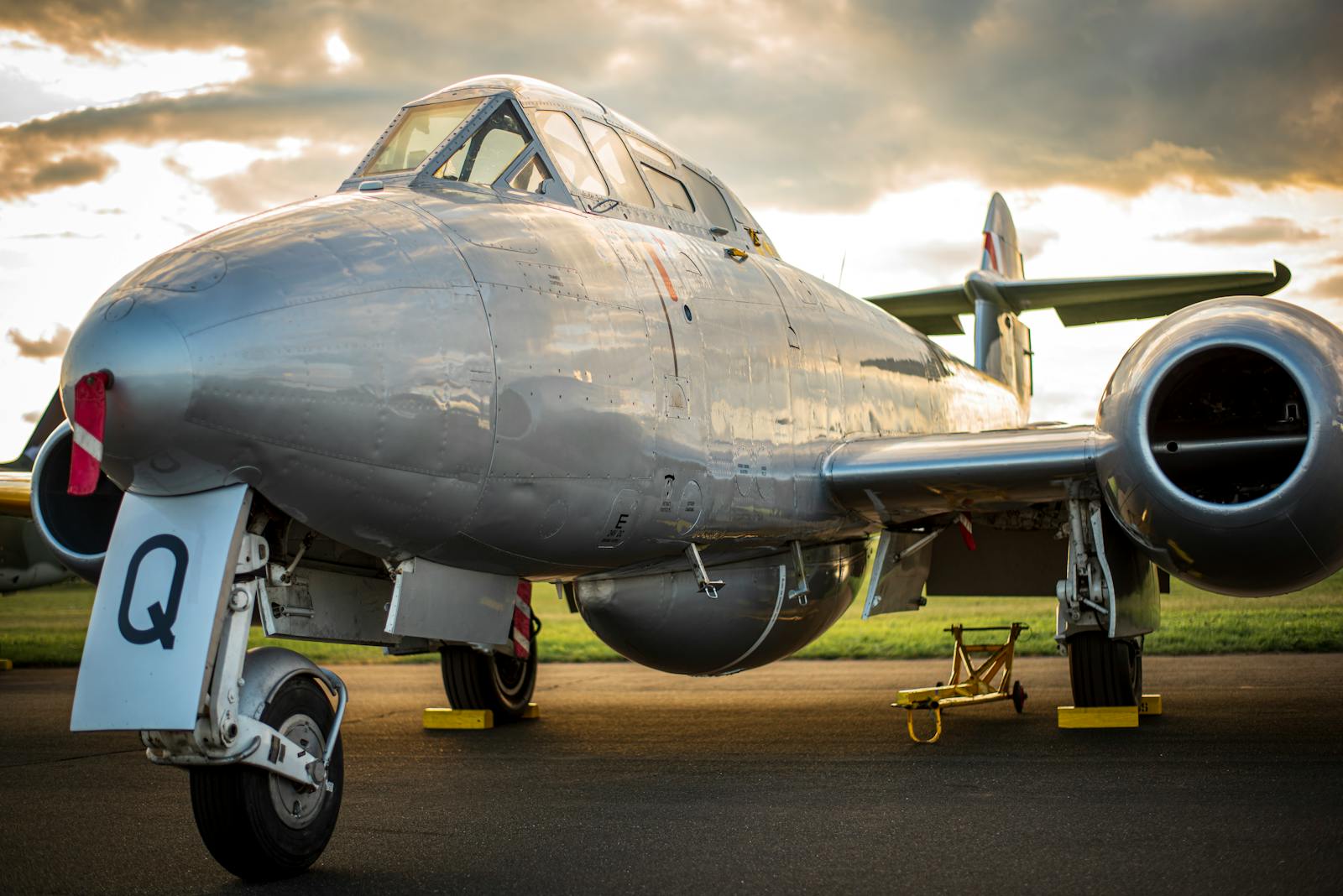
The legacy of aviation’s Golden Age is encapsulated in six iconic aircraft that not only transformed air travel but also influenced the design and technology of modern planes. This era, spanning from the 1920s to the 1940s, marked a significant evolution in aircraft design and manufacturing, impacting both commercial aviation and military operations globally. Recognizing these historic aircraft is essential for understanding the technological advancements that paved the way for today’s aviation industry.
1. Douglas DC-3 (1936)
The Douglas DC-3 is often hailed as the most significant aircraft in commercial aviation history. Introduced in 1936, this twin-engine propeller aircraft revolutionized air travel by making it more accessible and affordable. With a capacity to carry 21 passengers and a cruising speed of 207 mph, the DC-3 enabled airlines to fly transcontinental routes economically, leading to a boom in air travel across the United States and abroad.
2. Boeing 307 Stratoliner (1938)
Launched in 1938, the Boeing 307 Stratoliner was the first commercial aircraft to feature a pressurized cabin, allowing it to fly at higher altitudes, which resulted in smoother flights above turbulent weather. Capable of carrying 33 passengers, the Stratoliner could cruise at 200 mph and was a breakthrough in passenger comfort and convenience. Only 10 units were produced, making it a rare gem in aviation history, yet its design influenced subsequent commercial aircraft.
3. Lockheed Constellation (1943)
The Lockheed Constellation, introduced in 1943, was known for its distinctive triple-tail design and luxurious passenger experience. With a capacity of up to 69 passengers and cruising speeds of around 250 mph, the Constellation became a symbol of elegance in air travel. It served multiple airlines, including Pan Am and TWA, and was instrumental in the post-war expansion of international air travel, connecting major cities across continents.
4. North American P-51 Mustang (1940)
The North American P-51 Mustang, first flown in 1940, played a crucial role in World War II as a long-range fighter aircraft. It was capable of flying over 400 mph and could escort bombers deep into enemy territory, significantly contributing to the Allies’ air supremacy. The Mustang is credited with shooting down more enemy aircraft than any other Allied fighter, showcasing its impact on military aviation during a pivotal time in history.
5. Avro Lancaster (1941)
The Avro Lancaster, introduced in 1941, was a British heavy bomber that became renowned for its role in the strategic bombing campaigns during World War II. With a maximum speed of 287 mph and a bomb load capacity of 22,000 pounds, the Lancaster was instrumental in missions such as the famous “Dambusters” raid. Its design and performance set the standard for future bombers, influencing military aviation for decades.
6. Boeing B-17 Flying Fortress (1935)
The Boeing B-17 Flying Fortress, which first flew in 1935, is one of the most recognizable bombers from World War II. Known for its durability and defensive armament, the B-17 could carry a bomb load of up to 8,000 pounds and had a top speed of 287 mph. Its ability to sustain heavy damage and still return home made it a favorite among crews, and it played a vital role in numerous bombing campaigns across Europe.
Conclusion
The six aircraft discussed represent a transformative period in aviation history, showcasing advancements in engineering, design, and passenger experience. They not only reflect the ingenuity of their time but also laid the groundwork for the aviation technologies we rely on today. As we commemorate these historic aircraft, it is essential to recognize their lasting impact on both commercial and military aviation.
For aviation enthusiasts and history buffs alike, understanding these iconic models offers a glimpse into the past and a greater appreciation for the complexities of modern air travel. Whether you’re a pilot, an aviation student, or simply a curious reader, learning about these aircraft is vital. Stay informed, and explore the rich legacy of aviation that continues to shape our skies.