

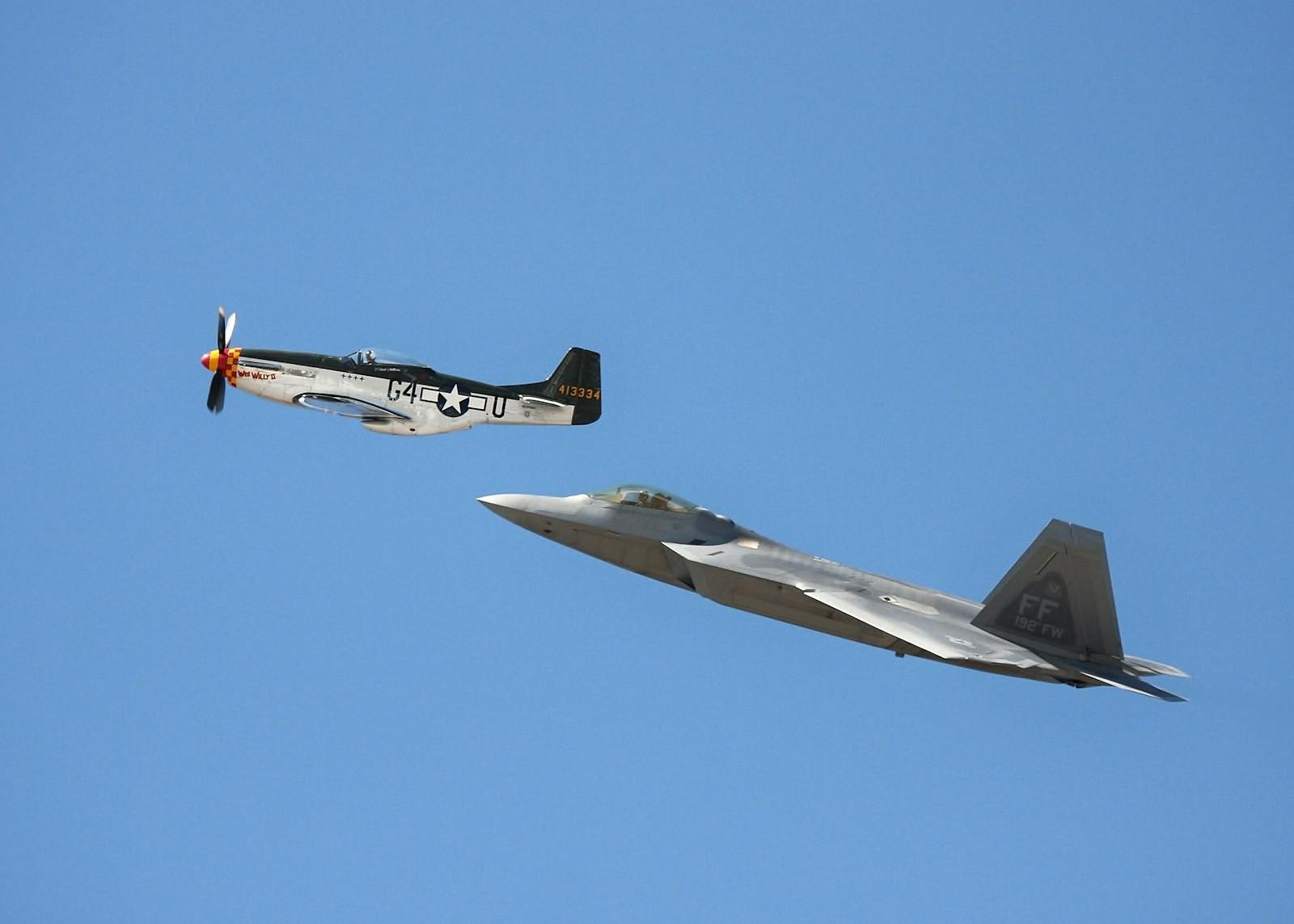
The evolution of modern aviation is deeply rooted in the groundbreaking designs and innovations of historical aircraft. Six key planes, from the early 20th century to the late 20th century, not only revolutionized air travel but also laid the groundwork for the advanced technology and safety standards we see today. Understanding these influential aircraft is crucial for appreciating the complexities of contemporary aviation systems.
1. Wright Flyer (1903)
Orville and Wilbur Wright’s Flyer made its first powered flight on December 17, 1903, in Kitty Hawk, North Carolina. This historic event marked the beginning of human-controlled flight, as the aircraft traveled 120 feet in 12 seconds. The Wright Flyer introduced fundamental concepts of flight, including aerodynamic lift and control, which continue to be integral to aircraft design today.
2. Douglas DC-3 (1935)
The Douglas DC-3 transformed commercial aviation when it entered service in 1935. With a capacity of 21 passengers and a cruising speed of 207 mph, it significantly reduced flight times and operating costs. The DC-3 was the first aircraft to generate profit for airlines, leading to the widespread adoption of air travel by the general public. Its design principles influenced the development of future commercial aircraft, establishing a foundation for efficient passenger transport.
3. Boeing 707 (1958)
Debuting in 1958, the Boeing 707 was the first successful commercial jetliner and played a pivotal role in ushering in the Jet Age. Capable of carrying up to 189 passengers over long distances at a cruising speed of 600 mph, it revolutionized international travel. The introduction of the 707 made air travel more accessible and affordable, leading to a dramatic increase in passenger numbers. It set a standard for jetliner design and performance that continues to influence modern aircraft.
4. Concorde (1969)
The Concorde, which began service in 1976, is perhaps the most iconic supersonic passenger aircraft. Capable of flying at speeds of over Mach 2, it reduced transatlantic flight times to just under three hours. The Concorde represented a significant leap in aviation technology, showcasing advancements in aerodynamics and engine performance. Although it was retired in 2003 due to high operating costs and environmental concerns, its legacy persists in ongoing discussions about the future of supersonic travel.
5. Airbus A320 (1988)
Launched in 1988, the Airbus A320 was the first commercial aircraft to feature a fully digital fly-by-wire control system. This innovation improved safety and efficiency, allowing pilots to manage the aircraft with enhanced precision. The A320 family, which includes models like the A321, has delivered over 10,000 units, making it one of the best-selling aircraft in history. Its design has reshaped the way airlines operate, influencing everything from cockpit layouts to fuel efficiency standards.
6. Boeing 787 Dreamliner (2011)
The Boeing 787 Dreamliner, introduced in 2011, represents a significant step forward in materials and fuel efficiency. Using composite materials for over 50% of its airframe, the Dreamliner is lighter and more efficient than its predecessors. It boasts a 20% reduction in fuel consumption compared to similar-sized aircraft, which is critical as airlines seek to minimize costs and environmental impact. The 787 has paved the way for further innovations in sustainable aviation technology.
Conclusion
The historical planes highlighted above have not only influenced the design and functionality of modern aircraft but have also shaped the entire aviation industry. Each of these planes introduced key innovations that enhanced safety, efficiency, and passenger comfort, setting high standards for future developments. As the aviation industry continues to evolve, understanding these foundational aircraft remains vital for anyone interested in the future of air travel.
As we look to the skies and the future of aviation, it’s essential to stay informed about these historical milestones. The legacy of these planes serves as a reminder of human ingenuity and the relentless pursuit of progress in air travel. Readers are encouraged to explore more about these aircraft and their impact on the aviation industry, as they may find inspiration for future innovations in transportation.