

When we think of classic cars, we often reminisce about their sleek designs, roaring engines, and the thrill of the open road. For some, these automotive beauties were symbols of freedom and rebellion. Others admired them as masterpieces of design and engineering. But as any car enthusiast will tell you, maintaining these classic machines wasn’t always as glamorous as it seemed. From finicky engines to rust-prone bodies, these six iconic cars often proved challenging to keep in top condition. But despite their flaws, they’ve managed to secure their place in the annals of automotive history, and, for some, even in our hearts.
DeLorean DMC-12
The DeLorean DMC-12, famously known as the time-traveling car from “Back to the Future,” is an undeniable icon. With its gull-wing doors and brushed stainless-steel exterior, it’s a car that always turns heads. However, beneath its futuristic facade lurked a plethora of problems.
The DeLorean was underpowered for its weight, resulting in sluggish performance. The unique stainless-steel body was also prone to scratches and dents. Most challenging of all was sourcing parts for repairs, as production was limited and ceased in the early 80s.
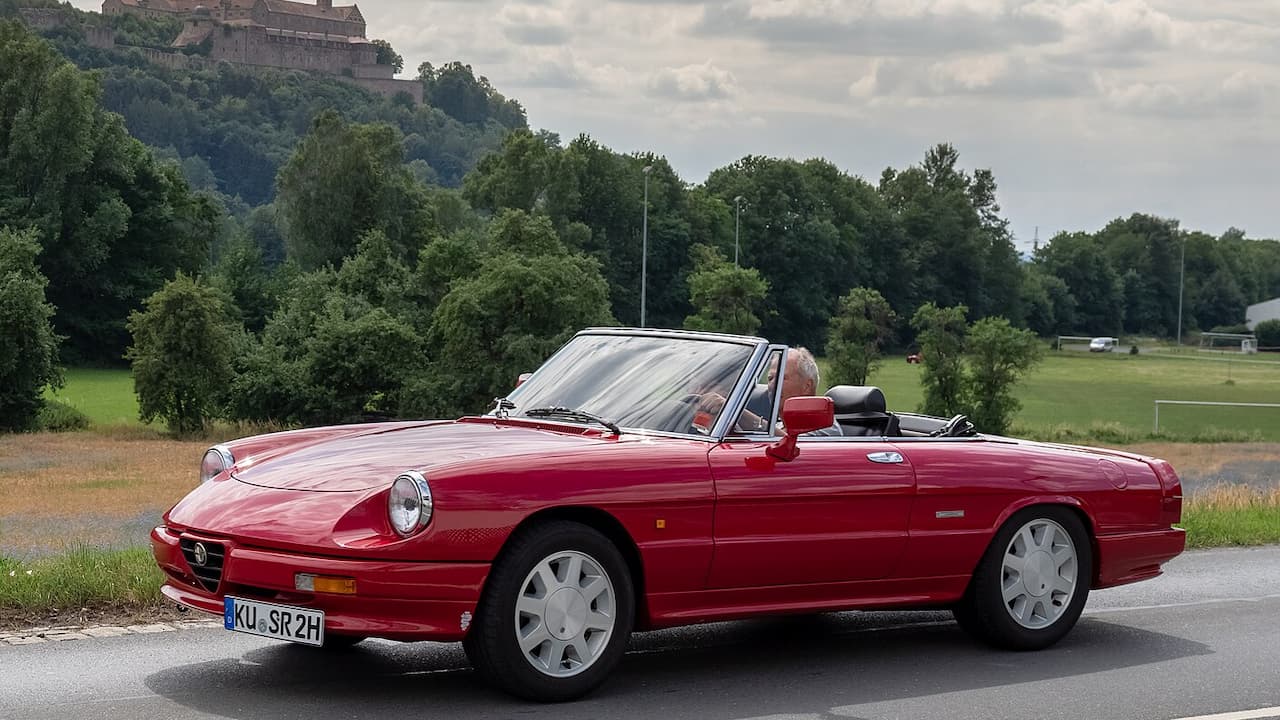
Alfa Romeo Spider
The Alfa Romeo Spider, with its curvy lines and sporty performance, was the epitome of Italian style. Its charm was so irresistible that it even starred alongside Dustin Hoffman in the 1967 film “The Graduate.”
However, the Spider was notorious for its rust problems, especially in the wheel wells and floor pans. Plus, its electrical system was often unreliable. Despite these issues, the Spider still holds a special place in the hearts of many car enthusiasts for its charisma and driving enjoyment.
MG Midget
Compact and endearing, the MG Midget was a popular choice for those seeking affordable fun in the ’60s and ’70s. This tiny British roadster offered a tantalizing taste of the open-top sports car experience.
But the Midget was plagued by electrical issues, largely due to the notoriously unreliable Lucas electrics. Plus, the Midget’s small size meant cramped quarters, making even simple maintenance tasks a challenge. Rust was another common problem, particularly in the sills and floor pans.
Ferrari 308 GTB
When you think of a classic Ferrari, chances are you’re picturing the 308 GTB. This two-seater sports car, with its distinctive wedge shape and pop-up headlights, is as iconic as they come.
However, the 308 GTB was notoriously expensive to maintain. A routine service could involve removing the entire engine, and parts were, unsurprisingly, pricey. Furthermore, the 308 GTB’s complex wiring system often proved problematic, adding to the overall maintenance burden.
Jaguar E-Type
Described by Enzo Ferrari as “the most beautiful car ever made,” the Jaguar E-Type is indeed a sight to behold. Its long, sleek silhouette and powerful engine made it a truly desirable sports car.
However, the E-Type was infamous for its unreliability. Electrical issues were common, as were problems with overheating. Rust was also a significant concern, particularly in the sills and floor pans. Despite these challenges, the E-Type’s stunning looks and thrilling performance have ensured its enduring appeal.
Lotus Esprit
The Lotus Esprit, with its sharp, angular lines and mid-engine layout, was a poster child of the 1970s and 1980s. It even had a starring role in several James Bond films, further cementing its iconic status.
The Esprit, however, was known for its finicky nature. The car’s complex turbocharging system was prone to issues, and the fiberglass body was difficult to repair if damaged. Furthermore, the Esprit’s cramped engine bay made routine maintenance a challenging task.
Despite their maintenance issues, these iconic cars remain highly sought after by collectors and enthusiasts alike. Their timeless designs, memorable performances, and cultural significance overshadow the headaches they may cause in the garage. After all, for many, the joy of owning and driving these classics is worth every bit of effort.