


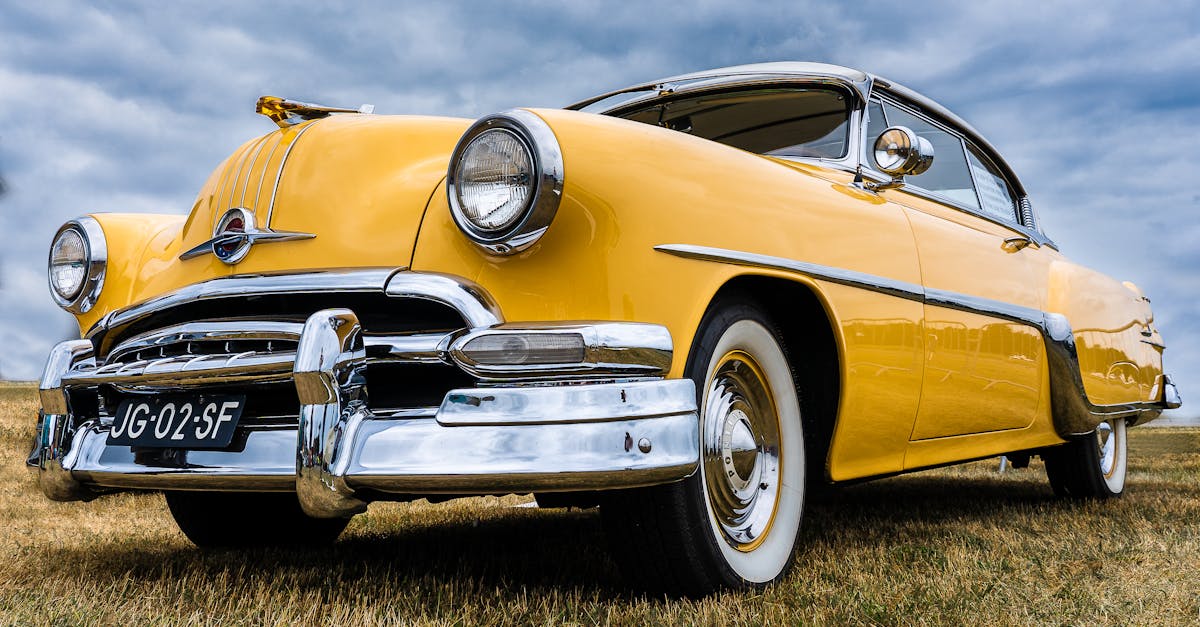
The automotive industry experienced a transformative period known as the Golden Age of Driving, which spanned from the 1950s to the early 1970s. During this time, several car models emerged that not only captured the spirit of the era but also influenced the automotive culture for decades to come. Understanding these iconic vehicles is crucial for car enthusiasts and casual drivers alike, as they represent a significant chapter in automotive history and continue to inform modern design and technology.
1. 1957 Chevrolet Bel Air
The 1957 Chevrolet Bel Air is often hailed as an emblem of 1950s Americana and automotive design. With its distinctive tail fins, chrome accents, and powerful V8 engine options, this model became a symbol of freedom and prosperity. Chevrolet sold over 150,000 units in its debut year, showcasing its immense popularity. The Bel Air’s combination of style and performance set a high standard for future cars and established Chevrolet as a leader in the market.
2. 1964 Ford Mustang
Launched in April 1964, the Ford Mustang revolutionized the automotive landscape and introduced the concept of the “pony car.” With sales exceeding 400,000 units in its first year, the Mustang captured the hearts of a generation. Its sleek design, affordable price point, and customizable options allowed it to appeal to a broad audience, making it a cultural icon. The Mustang’s influence can still be seen today in modern iterations, which continue to embody the spirit of performance and style.
3. 1969 Chevrolet Camaro
The Chevrolet Camaro was introduced as a direct competitor to the Ford Mustang and quickly established itself as a staple of American muscle cars. Launched in 1966, the 1969 model showcased more aggressive styling and a range of powerful engine options, including the legendary 427 V8. The Camaro sold over 200,000 units in its first year, making it one of the best-selling models of its time. Its performance capabilities and bold design have made it a beloved choice among car enthusiasts and collectors.
4. 1970 Dodge Challenger
The 1970 Dodge Challenger marked the peak of the muscle car era, blending style with raw power. Available with an array of high-performance engines, including the iconic Hemi V8, the Challenger became synonymous with speed and performance. In its first year, Dodge sold approximately 76,000 units, showcasing its popularity among buyers seeking a thrilling driving experience. The Challenger’s design and performance have made it a lasting symbol of American automotive culture.
5. 1963 Volkswagen Beetle
The Volkswagen Beetle, often referred to as “the people’s car,” gained immense popularity during the Golden Age of Driving. Its unique shape, efficient design, and affordability contributed to its widespread appeal, with over 21 million units sold globally by the time production ended in 2003. The Beetle’s simple mechanics and reliability made it a favorite for drivers of all backgrounds, and it continues to be celebrated as a classic car. Its influence on automotive design and culture is undeniable, showcasing the importance of accessibility in the automotive industry.
6. 1971 BMW 3.0 CS
The BMW 3.0 CS redefined the luxury coupe segment and showcased the blend of performance and elegance that has become synonymous with the BMW brand. Introduced in 1971, the 3.0 CS featured a powerful inline-six engine and a sleek, aerodynamic design. With around 30,000 units produced, this model helped establish BMW’s reputation for creating sport-oriented luxury vehicles. Its sophisticated engineering and timeless styling have made it a highly sought-after collector’s item, demonstrating the lasting impact of this iconic model.
The Legacy of the Golden Age
Each of these six iconic models played a pivotal role in shaping the Golden Age of Driving, influencing automotive design, performance, and culture. They represent a time when cars were not just modes of transportation but symbols of freedom, individuality, and power. The enduring popularity of these models underscores their importance in automotive history and their continued relevance in today’s market.
A Call to Action
As the automotive industry evolves with advancements in technology and sustainability, understanding the roots of modern vehicles is essential. Car enthusiasts, collectors, and everyday drivers should appreciate the legacy left by these iconic models and consider how they have shaped the current landscape of driving. Explore your local car shows or vintage auto exhibitions to experience the history firsthand and connect with others who share your passion for automotive history.