

As aviation technology continues to evolve, six jets have emerged as leaders in speed, setting records that underline the capabilities of modern aircraft. These jets not only demonstrate remarkable engineering but also impact military operations, commercial travel, and the future of aerospace innovation. Understanding these record-breaking jets is crucial for both aviation enthusiasts and industry professionals.
1. North American X-15 (1960-1968)
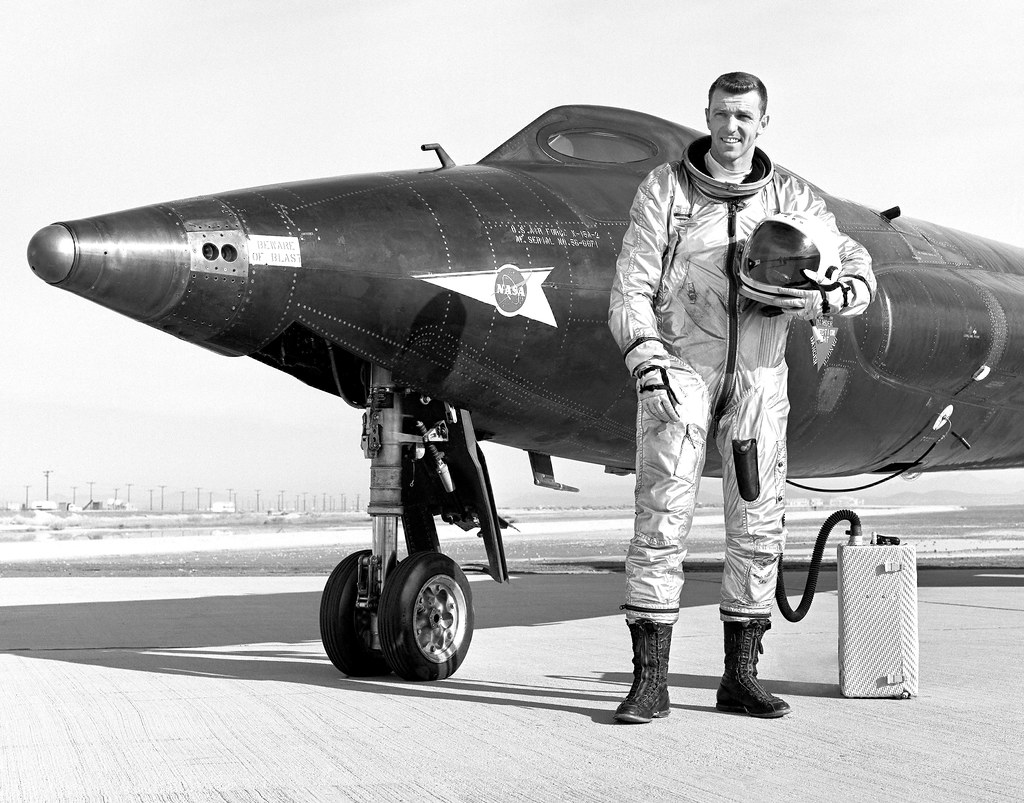
The North American X-15 is a rocket-powered aircraft that holds the title for the highest speed ever recorded by a manned aircraft. In 1967, pilot William J. “Pete” Knight reached a staggering speed of 4,520 miles per hour (7,274 kilometers per hour) at an altitude of 102,000 feet (31,115 meters). The X-15’s experimental missions provided invaluable data for NASA and helped lay the groundwork for future space travel.
2. Lockheed SR-71 Blackbird (1966-1998)
The Lockheed SR-71 Blackbird, primarily used by the United States Air Force, is renowned for its reconnaissance capabilities and impressive speed. The aircraft could reach speeds of over 2,193 miles per hour (3,529 kilometers per hour), making it one of the fastest jets ever built. Its high-altitude flight capabilities allowed it to evade enemy missiles and interceptors, playing a critical role during the Cold War.
3. Boeing 747-8 Intercontinental (2012-Present)
The Boeing 747-8 Intercontinental is not just notable for its size; it is also recognized as the fastest commercial jetliner in service today. With a maximum cruise speed of approximately 660 miles per hour (1,062 kilometers per hour), this aircraft caters to international travel with efficiency and speed. The 747-8 can carry up to 660 passengers, making it a popular choice for airlines looking to maximize capacity while maintaining speed.
4. Concorde (1976-2003)
The Concorde was a turbojet-powered supersonic passenger airliner that operated from 1976 until 2003. It was capable of cruising at speeds of over 1,354 miles per hour (2,180 kilometers per hour), significantly cutting down transatlantic flight times. Although its operational costs were high and it was eventually retired, the Concorde remains an iconic symbol of speed and luxury in aviation history.
5. Mikoyan MiG-25 Foxbat (1970-Present)
The Mikoyan MiG-25, a Soviet fighter aircraft, is one of the fastest military jets ever built. It can reach speeds of around 2,190 miles per hour (3,524 kilometers per hour) and was designed for high-altitude reconnaissance and interception missions. The MiG-25’s speed and altitude capabilities made it a formidable opponent during the Cold War, and it continues to serve in various capacities around the world.
6. Lockheed Martin F-22 Raptor (2005-Present)
The Lockheed Martin F-22 Raptor represents the pinnacle of modern fighter jet technology, combining stealth with speed. This fifth-generation aircraft can achieve speeds exceeding 1,500 miles per hour (2,414 kilometers per hour) and is equipped with advanced avionics and weapons systems. The F-22 is a critical asset for the U.S. Air Force, providing air superiority in various combat scenarios.
Conclusion: The Future of Speed in Aviation
These six jets exemplify the remarkable achievements in speed and technology within the aviation industry. From the experimental North American X-15 to the cutting-edge F-22 Raptor, each aircraft has contributed to the understanding and utilization of speed in flight. As advancements continue, the future of aviation promises even faster and more efficient aircraft, impacting both military and civilian sectors.
For aviation enthusiasts and professionals, staying informed about these technological marvels is essential. Follow industry developments and advancements to understand how the future of flight will unfold. Whether you are interested in commercial travel or military applications, the evolution of speed in aviation is a topic worth watching closely.